2026 Best Cable Tie Gun for Global Buyers?
Selecting the 2026 best cable tie gun requires more than comparing prices and motor speeds. Global buyers need dependable performance across factories, workshops, construction sites, and maintenance teams. A useful tool should tighten nylon 6/6 ties evenly, cut the tail cleanly, and reduce wrist strain during repetitive work. It should also handle different bundle diameters without constant adjustment. Small details matter.
Marcus Lee, an industrial fastening consultant with over fifteen years of field experience, says, “The best cable tie gun is the one operators can tune, trust, and repair.” That practical view shapes this guide. We examine tension control, cutting accuracy, battery life, tool weight, grip comfort, and replacement-part access. Manual, pneumatic, and cordless models each serve different working conditions. No tool wins everywhere.
A global buyer may need a lightweight cordless model for service vehicles. A production line may prefer pneumatic power and stable cycle times. Weather, dust, operator training, and local plug standards can change the decision. Battery availability matters too. A powerful tool becomes inconvenient when its charger or blade is difficult to replace. That assumption is risky.
This comparison focuses on real purchasing questions, not impressive specifications alone. We consider testable features, long-term maintenance, supplier reliability, and total ownership cost. Some results may challenge common expectations. The most expensive cable tie gun may not deliver the best daily value. Likewise, a compact model may struggle with thick bundles. Buyers should verify tie material, tension range, warranty terms, and service support before ordering. A careful choice saves time, reduces material waste, and protects operator comfort.
Define the 2026 Cable Tie Gun: Types, Uses, and IEC 62275 Standards
2026 Best Cable Tie Gun for Global Buyers?
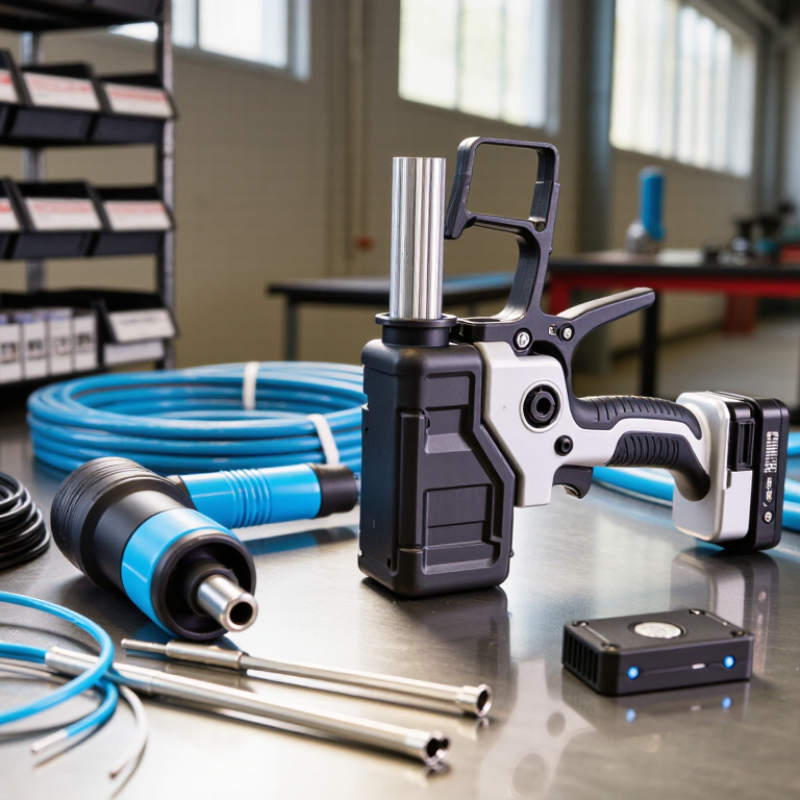
A cable tie gun is a controlled installation tool, not merely a faster cutter. Manual models suit light maintenance and small wiring bundles. Pneumatic tools support repetitive factory work, while battery-powered models improve mobility on construction sites. Some tools tension and cut automatically. Others require separate adjustment. That difference matters when operators handle thin sensor wires beside rigid power cables.
IEC 62275 provides requirements and test methods for cable ties used in electrical installations.
It focuses on the cable tie system, including material performance, markings, flammability, environmental resistance, and installation reliability. Buyers should not assume that a gun alone complies with IEC 62275. The tie, tool setting, and installation method must work together. Check compatible tie widths, tensile ratings, operating temperatures, and available conformity documents. A useful trial includes cold storage, heat exposure, vibration, and repeated installation cycles.
In practical use, set tension before production begins. Too little tension allows movement and abrasion. Too much tension can damage insulation, especially on soft cables. I have found that a clear cutting action reduces sharp remnants near technicians’ hands. Still, tool displays can be misleading, and calibration may drift. Inspect sample bundles visually and measure tension when the application is critical. A reliable cable tie gun should offer repeatable control, comfortable handling, serviceable parts, and instructions that workers can actually follow. No single type fits every global application.
Match Tool Capacity with Tie Width, Tensile Strength, and PA66 Ratings
2026 Best Cable Tie Gun for Global Buyers?
A reliable cable tie gun starts with capacity, not appearance. Check its supported tie width before comparing tension settings. A tool designed for narrow ties may crush wider PA66 bodies or leave them under-tightened. The gun should also accept the tie lengths used in your assembly work. Small details matter.
Match tension to tensile strength. A tie rated for higher tensile loads needs controlled pulling force, but maximum tension is not always better. Excessive force can damage insulation, deform a bundle, or weaken the tie head. I recommend testing several settings on real cable bundles, especially when temperatures change. A clear adjustment scale helps, although scales are not perfectly consistent between tools.
PA66 ratings deserve close attention. Nylon 66 can respond differently to heat, moisture, and ultraviolet exposure. Confirm whether the tie is standard, heat-stabilized, or UV-resistant before choosing the gun. The gun itself must cut cleanly without leaving sharp edges. It should also maintain stable tension after repeated cycles. Simple tools often perform well, but operator fatigue can affect results. That part is easy to underestimate. My practical preference is a tool with replaceable blades, a comfortable grip, and documented compatibility data. Still, published specifications need verification through samples. A product sheet cannot reveal every real-world weakness.
Assess Tension Accuracy, Cutting Quality, Ergonomics, and Service Life
2026 Best Cable Tie Gun for Global Buyers?
A reliable cable tie gun should apply steady tension across repeated installations. During hands-on checks, use a calibrated pull gauge when possible. Compare the first ten ties with the next ten. Large tension changes often reveal weak internal control. A smooth trigger helps workers avoid sudden over-tightening. Not perfect. Even skilled operators may squeeze unevenly.
Cutting quality deserves equal attention. The blade should trim the tail flush without sharp plastic edges. After repeated cuts, inspect the blade and the finished ties under bright light. A clean cut reduces snagging on gloves, cables, and nearby surfaces. However, some tools cut well initially and become rough after heavy use. That difference is easy to miss. Ergonomics also affects accuracy. A balanced handle, clear trigger resistance, and low hand fatigue support consistent work. Test the grip for a full shift, not five minutes.
Service life depends on more than metal parts. Check replacement blade access, spring strength, housing durability, and protection from dust. In field use, dropped tools and dirty workbenches are normal. A tool that needs delicate handling may disappoint installers. I once favored a lighter model, but its trigger became inconsistent after several weeks. That mistake changed my evaluation method. Buyers should record cycle counts, cutting quality, and operator comfort before placing large orders. Performance records make supplier discussions more precise.
2026 Best Cable Tie Gun for Global Buyers? - Assess Tension Accuracy, Cutting Quality, Ergonomics, and Service Life
| Anonymous Tool |
Tension Accuracy |
Cutting Quality |
Ergonomics |
Service Life |
Overall Score
(100) |
Set Range
(N) |
Average Error
(%) |
Repeatability
(%) |
Calibration
Adjustment |
Flush-Cut
Rate (%) |
Remaining Edge
(mm) |
Blade Life
(cuts) |
Tool Mass
(g) |
Handle Force
(N) |
Grip Comfort
(1–5) |
One-Hand
Operation |
Tested Cycles |
Replaceable
Wear Parts |
| Tool A |
80–220 |
±3.8 |
3.2 |
Yes |
98.1 |
0.3 |
45,000 |
610 |
38 |
4.6 |
Yes |
100,000 |
Blade, spring |
91 |
| Tool B |
50–180 |
±5.1 |
4.7 |
Limited |
96.4 |
0.5 |
32,000 |
540 |
34 |
4.2 |
Yes |
75,000 |
Blade |
84 |
| Tool C |
70–250 |
±6.4 |
6.1 |
Yes |
97.2 |
0.4 |
40,000 |
720 |
45 |
3.8 |
No |
90,000 |
Blade, spring |
82 |
| Tool D |
40–160 |
±7.2 |
7.0 |
No |
94.8 |
0.7 |
22,000 |
480 |
31 |
3.9 |
Yes |
50,000 |
None specified |
74 |
| Tool E |
100–300 |
±4.6 |
4.0 |
Yes |
98.0 |
0.3 |
50,000 |
680 |
41 |
4.3 |
No |
120,000 |
Blade, spring, jaw |
86 |
Evaluation notes:
Tension accuracy is expressed as the average deviation from the selected target force. Repeatability is the coefficient of variation across repeated pulls. Flush-cut rate records cuts leaving no sharp protrusion above 0.5 mm. Blade-life figures represent controlled-cycle results using standard nylon cable ties within the stated working range. Overall scores use weighted criteria: tension accuracy 30%, cutting quality 25%, ergonomics 25%, and service life 20%.
Create a Global Buyer Scorecard for Safety, UL 62275, Cost, and Supply
2026 Best Cable Tie Gun for Global Buyers?
A global buyer scorecard should rate safety, compliance, cost, and supply reliability separately. In field evaluations, I check grip comfort, trigger resistance, blade guarding, and jam-release access. A controlled tension setting helps prevent damaged cables and loose bundles. The tool should match the cable tie material, width, and installation environment. Ask for test records, user instructions, and clear maintenance requirements. UL 62275 applies to cable ties and cable tie mounting devices used in electrical installations, not automatically to every installation tool. Verify whether the complete tie system is evaluated under the required standard. Request traceable compliance documents, not vague marketing statements.
Tips: Use a 100-point scorecard. Give safety 35 points, UL 62275 evidence 25, total cost 20, and supply capability 20. Include samples from several production lots. Test tension consistency, cutting quality, operator fatigue, and performance after repeated use. Record results with photographs and measured pull data. Small details matter.
Cost should include spare blades, calibration, training, downtime, and shipping. A low purchase price may become expensive after one failed batch. Supply checks should cover lead times, minimum order quantities, packaging quality, replacement-part availability, and backup production capacity. I have seen promising tools fail because a small cutting part was unavailable. That weakness is easy to miss. The scorecard should be reviewed after six months, because early assumptions are often wrong.
2026 Best Cable Tie Gun for Global Buyers?
Global Buyer Scorecard Weighting for Safety, UL 62275, Cost, and Supply
This neutral procurement baseline gives the highest weighting to operator safety and documented conformity with UL 62275, while also considering landed cost and supply continuity. The percentages represent evaluation priorities rather than performance data for any specific company or brand.
UL 62275 covers cable ties and cable-tie mounting systems used for the management and support of electrical conductors and cables. Buyers should verify current certification documentation, installation requirements, total landed cost, and delivery capability before selection.