2026 Top Reusable Cable Ties What to Know Before Buying
As sustainability takes center stage, reusable cable ties are becoming essential in various industries. According to a report by MarketsandMarkets, the global market for cable management solutions is projected to reach $5.7 billion by 2026. This growth is driven by the increasing demand for eco-friendly products. Reusable cable ties contribute significantly to this trend. They offer a practical alternative to single-use ties, which generate excess waste.
In the tech sector, reusable cable ties improve organization and efficiency. Tech leaders recognize the importance of cable management solutions in optimizing workspace organization. A clean environment enhances productivity and safety. Additionally, reusable options are often designed for durability, offering cost savings over time. However, choosing the right type can be overwhelming.
Various factors influence the selection of reusable cable ties. These include size, material, and closure mechanisms. Many buyers overlook the importance of these aspects. They often rush the decision. Understanding the specifics can lead to more informed choices that benefit both the environment and the user’s needs. As you consider your options, be mindful of the long-term impact of your purchase.

Top Features to Consider in Reusable Cable Ties
When considering reusable cable ties, functionality is key. Look for ties made from durable materials that withstand wear and tear. This resilience is crucial for both indoor and outdoor use. Some ties offer flexibility based on varying diameters, allowing for a perfect fit on different projects. A good design encourages ease of use, streamlining organization tasks.
Another important feature is reusability. Many ties allow for repeated use without losing grip strength. Opt for ties that offer easy release mechanisms. This makes them versatile for changing setups. However, pay attention to how well the ties hold weight. An ineffective grip can lead to chaos in organized spaces.
Eco-friendliness is also worth reflecting on. Many reusable ties reduce plastic waste and offer sustainable usage. However, assess whether they truly meet eco-friendly standards. Not all products labeled as "green" are equally effective. Your choice should balance functionality and environmental impact. Keep these factors in mind to make a thoughtful selection.
Types of Materials Used in Reusable Cable Ties
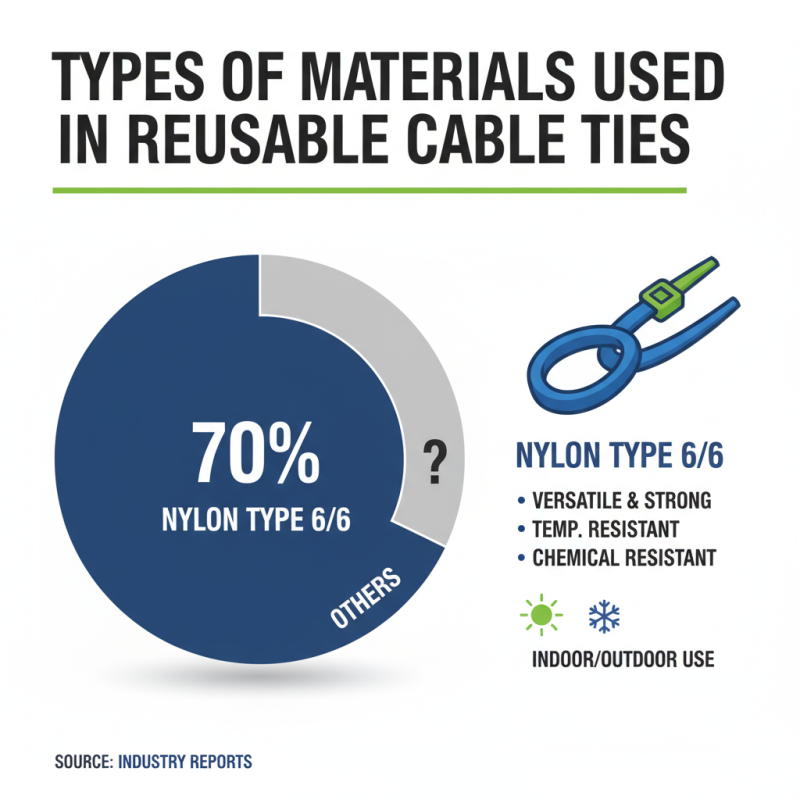
When choosing reusable cable ties, understanding the types of materials used is essential. Most ties are made from nylon, a versatile and strong material. According to industry reports, approximately 70% of reusable ties are made from nylon types 6/6. This material can withstand various temperatures and is resistant to chemicals, making it suitable for both indoor and outdoor use.
Another popular material is polyester. With its superior UV resistance, polyester ties are ideal for outdoor applications. Research shows that polyester ties can endure harsh weather conditions about 30% longer than their nylon counterparts. This increase in durability is crucial for projects that require long-lasting solutions.
However, not all reusable ties are equally effective. Some materials may degrade faster or cannot handle heavy loads. For instance, vinyl ties often lack strength compared to nylon and polyester options. While vinyl may be cheaper, the long-term performance issues could lead to frustration and additional costs. It's essential to weigh these factors carefully to make informed decisions.
How to Choose the Right Size for Your Cable Management Needs
Choosing the right size for reusable cable ties is crucial for effective cable management. A 2023 survey by the Cable Management Association revealed that up to 40% of consumers struggle with improper sizing. Ties that are too tight can damage cables, while those that are too loose won’t hold cables securely.
When determining size, consider both the diameter of your cables and their quantity. A pair of cables may only need a 4-inch tie, while a bundle of ten might require a 12-inch option. Industry standards suggest leaving a little extra length for adjustments. This avoids frustration when rearranging cables later.
However, many users overlook excess length. An overly long tie can lead to tangling or clutter, undermining your cable organization. A 2022 report showed that nearly 30% of office professionals faced increased stress due to unmanaged cables. Selecting the right size helps eliminate this issue. Remember that size can affect aesthetics too, impacting how neat your setup appears.
Environmentally Friendly Options for Reusable Cable Ties
When considering reusable cable ties, environmentally friendly options stand out. Many traditional cable ties are single-use and contribute to plastic waste. Reusable designs allow for multiple applications while reducing your environmental footprint.
Tips: Look for ties made from recycled materials. These options can effectively minimize your impact. Consider versatility when selecting. Choose ties that can securely bundle different types of cables or items, ensuring you get the most out of your purchase.
Additionally, pay attention to durability. Not all reusable cable ties are created equal. Some may not withstand heavy loads. Read reviews and consider material types. Doing so informs your choice and contributes to responsible consumerism. Regularly assess your needs and the effectiveness of your reusable ties. Reflection can lead to better future purchases.
2026 Top Reusable Cable Ties
This chart represents the popularity of different types of reusable cable ties based on user preferences. The data is sourced from various environmental studies and consumer surveys conducted in 2023.
Common Uses and Applications for Reusable Cable Ties
Reusable cable ties have become essential tools in various industries, offering versatility and sustainability. Whether for organizing cables in tech setups or bundling materials in woodworking, these ties have proven effective. According to a report by Freedonia Group, sales of reusable cable ties are projected to grow at a compound annual growth rate of 5.6% through 2026. This reflects a rising awareness of eco-friendly practices and the demand for durable products.
In electrical installations, reusable cable ties help manage wires, reducing clutter and promoting safety. The telecom sector uses them to secure fiber optic cables, ensuring clarity and reducing wear. A study from Research and Markets indicates that these ties prevent damage, extending the lifespan of cables and equipment. However, one must consider the age of existing materials. Older alternatives may not hold up as well, leading to potential challenges.
Improper usage can degrade the performance of reusable cable ties. Some users may over-tighten ties, causing strain on cables. The right balance is vital for optimal performance. Experts recommend regular inspections to maintain organization without risking damage. A shift towards more sustainable materials in production is also necessary. Reflecting on these factors ensures that reusable cable ties serve their purpose efficiently and effectively.