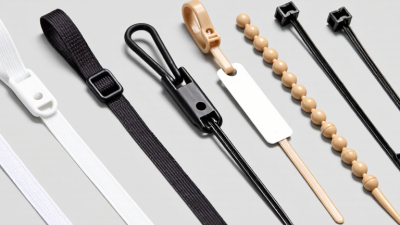
Choosing heavy duty cable ties is more than selecting the thickest strap on the shelf. The right choice depends on load, material, temperature, sunlight, chemicals, and installation conditions. A tie holding a garden hose needs different protection from one securing cables inside a hot industrial cabinet. Small details matter. They often decide whether a bundle stays secure or slowly loosens.
Cable-management engineer Mark van de Wetering offers a useful reminder: āThe strongest tie is still the wrong choice if its material cannot survive the environment.ā That principle guides the seven tips ahead. They examine tensile strength, nylon grade, UV resistance, operating temperature, locking-head design, bundle diameter, and installation quality. Stainless steel may suit harsh outdoor locations, while UV-stabilized nylon can work well in protected exterior applications. Always check the manufacturerās specifications. Product names can sound stronger than their tested performance.
Look closely at the worksite before buying. Measure the bundle, inspect sharp edges, and note heat sources nearby. A tie wrapped too tightly can damage insulation. A loose tie can permit movement, vibration, and abrasion. I have seen installers choose oversized ties, then leave long tails that catch on equipment. That is not a dramatic failure, but it shows weak planning. Sometimes, the simplest choice needs more thought. These practical checks make heavy duty cable ties safer, cleaner, and more dependable for maintenance teams, fabricators, and demanding home projects.
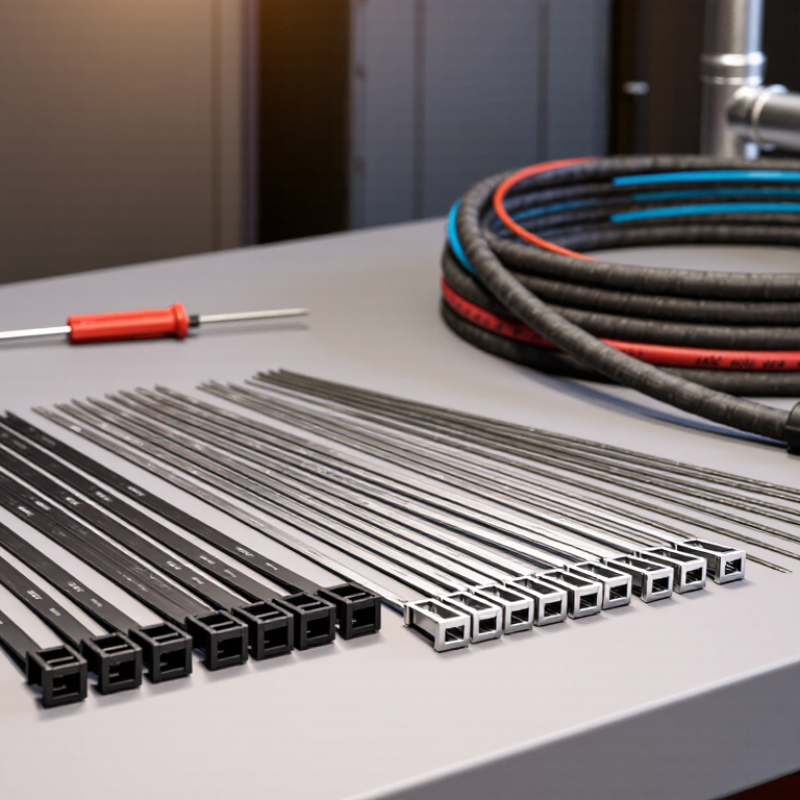
7 Tips for Choosing Heavy Duty Cable Ties
Define Heavy-Duty Cable Ties by Tensile Strength: 120ā250 lb and UL 62275
A heavy-duty cable tie should be defined by tensile strength, not thickness alone. For light industrial bundles, 120 lb may provide enough holding power. Larger harnesses, outdoor conduits, and vibrating equipment may require 175, 200, or even 250 lb ties. Check the actual rated strength, not a vague āindustrial gradeā label.
Measure the bundle diameter before ordering. A tie that barely reaches the locking head can lose performance. Leave room for installation, but avoid excessive tail length. Choose material for the environment, including heat, moisture, chemicals, and ultraviolet exposure. The strongest tie can still fail when its material does not match the location.
UL 62275 provides a useful reference for cable management systems and their performance requirements. Look for clear documentation covering the applicable type, temperature range, installation method, and testing details. A standard reference does not automatically mean every tie suits every application. Verify the listing and product markings carefully. Pull testing helps confirm performance in the field, especially on heavy bundles. I have seen installers trust thickness by sight and overlook tensile ratings. That shortcut was not reliable. Load conditions, sharp edges, and over-tightening also matter. Use the correct tool and inspect each lock after installation. Five extra minutes can expose a weak choice.
7 Tips for Choosing Heavy Duty Cable Ties
Temperature changes can quietly weaken a cable tie. Tip 1: Check the actual service range, not only the material name. Standard nylon 6/6 often suits approximately ā40°C to 85°C, but formulations vary. Tip 2: Confirm the rating on the technical datasheet. IEC 62275 and UL 62275 address cable-tie performance, including mechanical strength, aging, and environmental conditions. Their testing framework is more dependable than a generic online listing.
Tip 3: Choose heat-stabilized nylon near motors, ovens, or enclosed control cabinets. At 85°C, nylon can lose stiffness and experience greater creep under constant load. Tip 4: Consider moisture. Nylon absorbs water, which can improve flexibility but reduce tensile performance. The Plastics Industry Association identifies moisture sensitivity as a key consideration for nylon applications. Tip 5: For outdoor exposure, select UV-stabilized material. A 2024 Grand View Research report identifies nylon as a leading material in the cable-tie market, but market leadership does not guarantee outdoor durability. Details matter.
Tip 6: Check low-temperature impact performance. A tie may remain intact at ā40°C yet crack during installation. I have seen installers overtighten cold ties, creating a weak point before service begins. Tip 7: Match the tieās tensile rating to the bundle weight, vibration, and support spacing. Do not rely on appearance. Ask for test conditions, aging data, and certification records. One detail is often missed: temperature ratings may apply only to continuous operation, not repeated thermal cycling. I would verify that point before approving a critical installation.
Standard and UV-stabilized nylon 6/6 cable ties are commonly rated from ā40°C to 85°C. Heat-stabilized nylon 6/6 can typically withstand temperatures up to approximately 105°C. Always verify the exact rating for the selected cable tie, load, and installation environment.
Outdoor cable ties face sunlight, heat, rain, and repeated temperature changes. A heavy-duty design needs more than thick dimensions. Its polymer must resist embrittlement while retaining clamping strength. For exposed runs, choose UV-stabilized material, commonly a UV-resistant nylon grade. Black color can help, but color alone proves little. Ask for material details and tested performance.
ISO 4892 testing provides a useful comparison for weathering resistance. It may use xenon-arc or fluorescent UV exposure, combined with heat and moisture. Read the report carefully. Check the exposure method, irradiance, cycle, duration, and tensile-retention results. A pass should describe measurable retention, not simply claim āoutdoor grade.ā The test is a laboratory model, not a promise for every climate. Coastal salt, dust, and trapped water can accelerate damage.
During installation, inspect ties after several months of direct sun. Look for whitening, surface cracks, stiffness, or broken locking teeth. Do not pull them beyond the stated tension range. Overtightening can damage the tie before sunlight does. Leave sensible clearance around cables, especially where thermal movement occurs. I have seen good material fail after poor installation. Details matter. Verify UV performance in the actual environment.
Heavy-duty cable ties must distribute load, not merely hold a bundle together. Width affects tensile strength and pressure on insulation. A narrow tie may cut into soft jackets under vibration. A wider tie spreads force across a larger contact area. IEC 62275:2018 requires cable-management systems to undergo mechanical, environmental, and marking tests. Use products with documented loop tensile data. Do not rely on appearance alone.
Measure the bundle at its widest point, including bends and protective sleeving. Select a tie length that leaves enough tail for proper locking. The tie should close without excessive stretching. Leave room for future cables, but avoid an oversized loop. A loose loop allows shifting and uneven loading. A tight loop can crush insulation. It happens more often than expected.
UL 62275 test classifications also consider mechanical performance and resistance to environmental conditions. Check the published load rating at the intended temperature, rather than using room-temperature figures. Cold, heat, oils, and ultraviolet exposure can reduce performance. For a heavy bundle, several correctly spaced ties usually distribute force better than one oversized tie. Place them near bends and connection points, but avoid sharp edges. I still recheck spacing after installation; practical conditions often differ from the drawing. Cite the test method, material, width, length, and bundle capacity in your installation record.
Verify compliance before comparing price.
Tip 1: Check IEC 62275:2019 requirements for cable ties used in electrical installations. Confirm material, operating temperature, flammability, and tensile performance.
Tip 2: Request current test documentation, not a sales summary. ISO 9227 salt-spray results can reveal corrosion resistance, but they do not prove long-term outdoor performance.
Tip 3: Match the tie to its environment. Nylon can weaken under ultraviolet exposure, heat, chemicals, or repeated moisture. A tidy bundle can still fail quietly.
Tip 4: Inspect the locking design. A reliable head should engage fully without excessive force.
Tip 5: Look for a defined installation torque or tension range. Do not guess with pliers. Over-tightening can crush insulation, while low tension allows movement and abrasion. Some standards define performance tests, but they do not provide one universal torque for every tie. Follow the tested installation instructions. I still recheck this step.
Tip 6: Leave enough clearance around cables. Sharp edges and tight bends create stress points. NFPAās Fire Loss in the United States During 2023 report recorded an estimated 1,388,500 fires. That figure does not blame cable ties, but it reinforces disciplined electrical installation.
Tip 7: Inspect completed bundles by touch and sight. Look for damaged jackets, tilted heads, cut edges, or slipping ties. Record the lot number and installation conditions. Small records improve traceability when field performance becomes uncertain.