What is Aeration Process in Wastewater Treatment Explained?
The Aeration Process In Wastewater Treatment plays a vital role in maintaining environmental health. This process enhances water quality by introducing air into wastewater. It helps to break down harmful pollutants and organic matter. As microorganisms thrive on this oxygen, they decompose waste effectively.
Understanding the significance of the Aeration Process in Wastewater Treatment is crucial for effective management. Many plants struggle with maintaining optimal aeration levels. Poor aeration can lead to inadequate treatment. Observing these challenges reveals the need for continuous improvement in wastewater systems.
It’s essential to recognize that not all aeration methods suit every situation. Each facility faces unique conditions and requirements. Therefore, expertise in selecting appropriate strategies is key. By understanding these variables, managers can enhance treatment efficiency. This process is a cornerstone of sustainable wastewater management practices.
Definition of Aeration in Wastewater Treatment
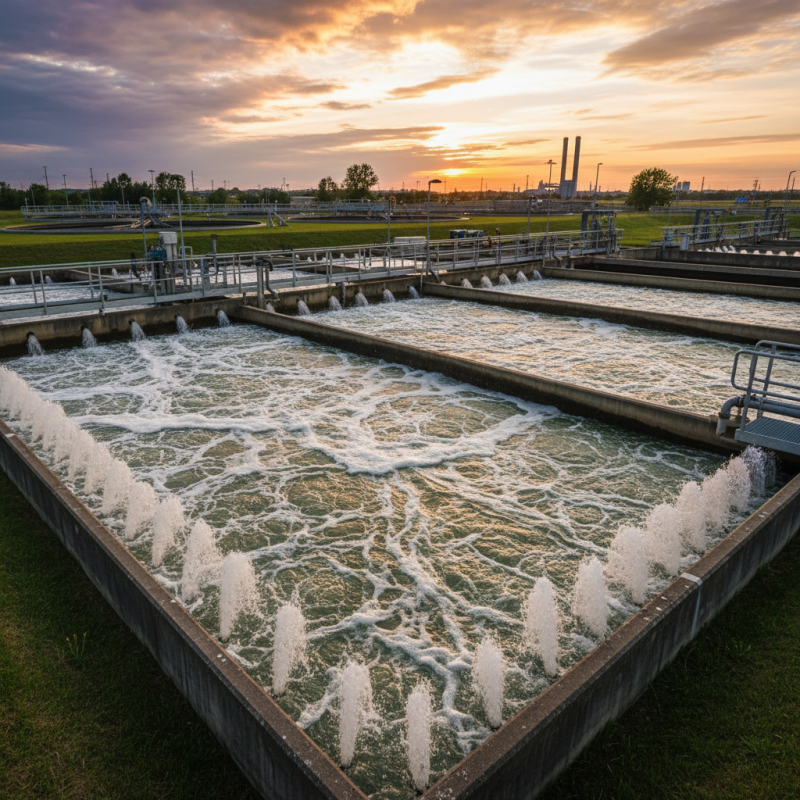
Aeration in wastewater treatment is a critical process. It enhances the natural oxidation of organic matter. This process involves introducing air or oxygen into the wastewater. As a result, microorganisms break down pollutants. This essential technique promotes effective biological degradation.
In many plants, aeration tanks are used. These tanks create an environment where air is mixed with the wastewater. The turbulence helps in maintaining the microorganisms in suspension. Microbes thrive in this oxygen-rich environment. Their metabolic activity increases, resulting in faster decomposition of waste. However, achieving the right aeration balance can be challenging. Too much aeration can lead to energy inefficiencies. Conversely, insufficient aeration may not effectively treat the wastewater.
The role of aeration goes beyond just oxygen supply. It also helps in removing odors and improving water quality. Yet, there's room for improvement in aeration systems. Many facilities struggle with optimizing aeration rates. Monitoring the process is essential for ongoing effectiveness. Balancing the cost and environmental impact remains a constant challenge for engineers.
Importance of Aeration in Enhancing Biological Treatment
Aeration plays a crucial role in wastewater treatment, significantly enhancing biological treatment processes. This method introduces air into wastewater, promoting microbial growth that breaks down organic pollutants. In fact, studies show that proper aeration can increase the efficiency of biological treatment by up to 50%. Microorganisms utilize oxygen to metabolize waste, converting harmful substances into harmless byproducts.
Effective aeration techniques, such as fine bubble diffusers or surface aerators, facilitate better oxygen transfer. According to the Water Environment Federation, optimized aeration systems can lead to a notable reduction in total suspended solids and biochemical oxygen demand (BOD). However, challenges remain. Over-aeration can lead to energy waste and increased operational costs. Balancing oxygen levels is essential, as excessive aeration may encourage the growth of unwanted microbes.
Monitoring and maintaining optimal aeration conditions can be complex. Each treatment facility has unique characteristics that affect aeration efficiency. As the industry progresses, ongoing research continues to refine methods. With these insights, engineers can make better design choices. Ultimately, understanding the importance of aeration is vital for sustainable and cost-effective wastewater management.
Aeration Process in Wastewater Treatment
The following chart illustrates the importance of aeration in enhancing biological treatment processes in wastewater management. It compares the effectiveness of different aeration methods in terms of BOD (Biochemical Oxygen Demand) reduction across various treatment stages.
Types of Aeration: Surface vs. Subsurface Methods
Aeration is a critical process in wastewater treatment. It enhances the breakdown of organic matter by introducing air into the system. There are two primary types of aeration: surface and subsurface methods. Both have unique characteristics and applications.
Surface aeration relies on the natural movement of air. It often employs large basins, where water is exposed to the air. This method can be effective, but it may lose some efficiency due to evaporation. Additionally, it can be impacted by weather conditions. Wind and temperature variations affect performance.
On the other hand, subsurface aeration introduces air through diffusers placed below the water’s surface. This method is often more efficient in oxygen transfer. It minimizes exposure to external elements. However, it requires more complex setups and monitoring. The equipment might face clogging issues over time, necessitating regular maintenance. Balancing these methods is essential for optimized wastewater treatment.
Aeration Equipment and Technologies Used in Treatment Plants
Aeration is a crucial step in wastewater treatment, enhancing the breakdown of organic materials. Various aeration technologies are employed. Submerged aerators are commonly used. They rely on the diffusion of air into water, aiding in the biological process. This method sees efficient oxygen transfer rates, often exceeding 2 kg O2/kWh under optimal conditions.
Another effective technology is surface aerators. These devices agitate the water surface, allowing maximum air exposure. They are easy to maintain but can be less energy-efficient. According to a recent EPA report, wastewater treatment plants can optimize energy use by selecting the most appropriate aeration method.
Tips: Regularly monitor the efficiency of your chosen aeration system. Gathering data on oxygen transfer rates can pinpoint areas for improvement. Consider seasonal changes that impact microbial activity. This insight can improve process reliability.
Fine-tuning aeration systems is essential. Oversized or undersized systems lead to waste. Striking a balance is key to sustainable treatment. Maintenance practices often reveal opportunities for enhancement. Investigate your wastewater treatment plant's design and airflow needs. This could lead to innovative solutions.
Factors Influencing Aeration Efficiency and Effectiveness
The aeration process in wastewater treatment is essential for enhancing biological degradation. Various factors influence its efficiency and effectiveness. Among these, oxygen transfer rate plays a crucial role. Insufficient oxygen can lead to incomplete treatment. Effective mixing is another vital element. Poor mixing can create dead zones where wastewater remains untreated.
Temperature is also significant. Higher temperatures can increase microbial activity but may reduce the solubility of oxygen. Optimal temperature ranges promote better degradation. The design of aeration systems impacts their performance too. System inefficiencies can arise from outdated technology or improper sizing.
Lastly, the characteristics of the wastewater itself affect aeration. Variations in contaminants can lead to unpredictable results. Understanding these influencing factors allows for improved aeration strategies, ultimately enhancing treatment outcomes. Achieving effective aeration requires careful consideration and ongoing adjustments. It’s a complex balancing act that often needs refinement.


