Why Choose an Angle Head Holder for Your Machining Needs?
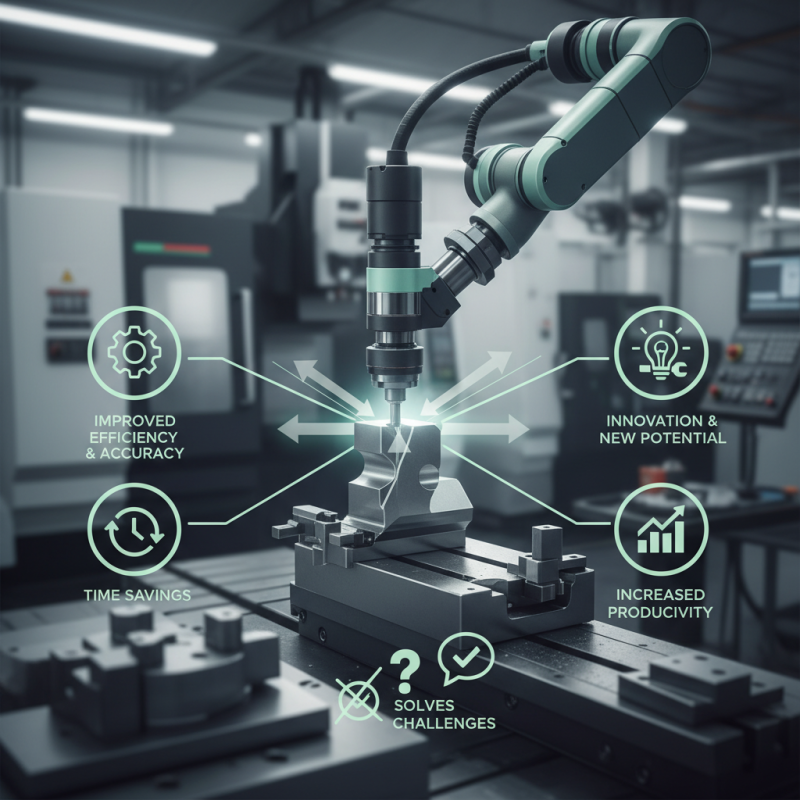
When it comes to machining, precision is key. An Angle Head Holder can significantly enhance the capabilities of your machinery. It allows for multi-directional cutting, which leads to improved efficiency and accuracy. Imagine being able to approach a workpiece from various angles without repositioning the entire setup. This capability saves time and increases productivity, a vital factor in competitive industries.
However, many shops overlook the Angle Head Holder. Some may question its necessity or cost. It's crucial to reflect on whether this tool could solve existing challenges. If you've faced limitations with traditional setups, consider the benefits an Angle Head Holder could bring to your workflow. Understanding its advantages can lead to better results and innovations in your machining processes.
In a world where precision and efficiency matter, choosing the right tools is essential. The Angle Head Holder could be the key to unlocking new potentials in machining. Embracing this technology may just drive your operations to new heights. It's time to explore what this tool means for your future.
Understanding Angle Head Holders: A Comprehensive Overview
Angle head holders are essential tools in machining. They allow for multi-faceted operations in tight spaces. This versatility helps in optimizing production efficiency. By utilizing an angle head holder, manufacturers can access hard-to-reach areas more easily. This ultimately reduces cycle times and improves the overall workflow.
Understanding the design of angle head holders can provide deeper insights. These tools often feature adjustable angles that enhance flexibility. However, it’s crucial to consider the rigidity of the setups. If the body is not robust, vibrations may occur. This could lead to diminished accuracy. It’s important to regularly inspect and maintain these holders for optimal performance.
User experience with angle head holders varies. Some find them invaluable for their time-saving capabilities. Others struggle with setup adjustments, which can be frustrating. It highlights the need for proper training and practice. Exploring different applications can lead to innovative uses. Experimentation and a willingness to adapt are key.
Advantages of Using Angle Head Holders in Machining
Key Benefits of Using Angle Head Holders in Machining Processes
Angle head holders are essential tools in machining processes. They provide flexibility in positioning and orientation. This adaptability allows operators to achieve complex angles easily. With an angle head holder, obtaining difficult-to-reach areas becomes possible. It reduces the need for multiple setups, saving time and increasing efficiency.
Using an angle head holder can enhance the precision of your work. The rigid design minimizes vibrations and helps maintain the tool's position. This stability can result in better surface finishes. However, improper use may lead to misalignment, reducing accuracy. It’s crucial to understand the setup well.
Additionally, angle head holders can expand the capabilities of machining tools. They make it easier to use various cutting tools. This leads to a wider range of operations. However, they can also complicate tool changes. Keeping tools organized is necessary to prevent confusion. Overall, angle head holders can transform how machining is approached, but careful handling is essential.
Factors to Consider When Choosing an Angle Head Holder
When selecting an angle head holder, several factors can impact your machining efficiency. One key consideration is the compatibility with existing equipment. Different models have varying specifications. Ensure that the holder fits your machine’s spindle type. An improper fit can lead to wasted time and tool wear.
Another crucial aspect is the angle of the holder. Common options include 45-degree and 90-degree angles. This choice affects the range of motion and type of cuts you can achieve. According to a recent industry report, using a well-matched angle head can enhance productivity by up to 30%. However, choosing the wrong angle can limit versatility.
Material is also important. High-quality steel or carbide options offer durability and precision. Poor material choice can result in tool breakage or compromised work quality. A study indicated that 15% of machining failures stem from inadequate tool durability. The long-term cost implications of frequent replacements make this a critical factor to assess. Carefully evaluate these aspects based on your specific machining needs for the best outcomes.
Why Choose an Angle Head Holder for Your Machining Needs? - Factors to Consider When Choosing an Angle Head Holder
| Feature | Description | Importance |
| Material Quality | High-grade steel or aluminum for durability | Ensures longevity and performance under stress |
| Angle Flexibility | Adjustable angles for various machining tasks | Increases versatility for different applications |
| Compatibility | Works with various machine types | Ensures ease of integration into existing setups |
| Ease of Use | User-friendly design for quick setup | Reduces downtime and increases productivity |
| Cost | Affordable options available | Balanced cost-effectiveness with performance |
Applications of Angle Head Holders in Various Industries
Angle head holders are versatile tools used in various machining applications. They are beneficial for industries like aerospace, automotive, and medical. These attachments allow for unique cutting angles, enhancing production efficiency.
In aerospace machining, angle head holders facilitate intricate geometries. They allow tools to access tight spaces. This reduces the number of setups. Setup efficiency matters. Often, operators struggle to achieve accurate angles. Angle heads simplify this challenge, letting businesses focus on quality.
In the automotive industry, angle holders help in component manufacturing. They enable multi-sided machining in one setup. This saves time and increases throughput. However, users sometimes overlook tool wear. Regular maintenance is vital to avoid unexpected failures.
Tip: Keep your angle head holder clean. Dirt and debris can affect performance.
In medical device production, precision is crucial. Angle head holders provide the flexibility needed for complex parts. This leads to better fit and finish. However, be mindful of the limitations in certain materials. Some materials may wear down cutting edges faster.
Tip: Always verify compatibility with your material. Proper matching enhances durability.
Maintenance and Care Tips for Your Angle Head Holder
Proper maintenance of an angle head holder is crucial for optimal performance. Regular inspections can identify wear or damage early. According to industry reports, nearly 30% of machining issues stem from inadequate maintenance. Users often overlook this aspect, leading to costly downtimes. Simple checks for dirt buildup and worn components can prevent severe mechanical failures.
Cleaning should be routine. Use a soft brush and appropriate solvents to clear debris. Check the coolant channels for blockages, as excessive buildup can hinder performance. A clean holder promotes better accuracy and extends tool life, potentially increasing productivity by up to 15%. However, many operators neglect these processes. Investing a few minutes in upkeep can save hours of machine repair later.
It’s essential to store the angle head holder properly. Storing it in a dry, clean environment minimizes corrosion risks. However, mishandling or poor storage often leads to unintended damage. A lack of awareness about proper care can result in misalignment issues during machining, affecting precision. Consider keeping a log of maintenance activities. This practice can help track performance and highlight areas needing improvement.


