In the fast-paced world of manufacturing, efficiency is key. A reliable Coiling and Packing Machine can transform the packaging process. These machines streamline operations and minimize labor costs. They also ensure consistent quality and reduce waste. However, not all machines are created equal.
Choosing the right coiling and packing solution requires careful consideration. Factors like speed, size, and material compatibility matter. Many businesses struggle with the features that truly affect performance. Some machines may be difficult to maintain or too complex for the workforce. Users often find themselves caught off guard by unexpected issues.
While these machines promise advanced efficiency, problems can arise. It’s crucial to evaluate options thoroughly. An effective coiling and packing machine should fit seamlessly into your production line, enhancing productivity. Ultimately, the goal is to find the perfect balance between efficiency and practicality.
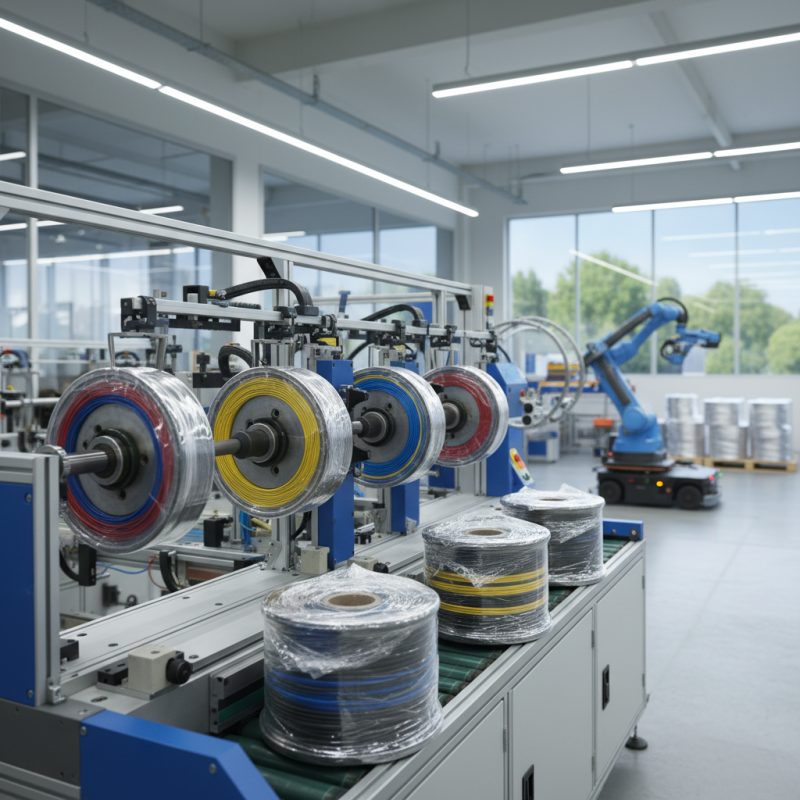
Coiling and packing machines play a pivotal role in streamlining packaging processes. These machines are essential for various industries, especially food and pharmaceuticals. According to industry studies, over 70% of companies report increased efficiency after implementing automated packing solutions. Coiling machines help to neatly package products, reducing waste and ensuring a tidy presentation.
Tips: Optimize machine settings for different products. This can enhance the speed of operation and lead to fewer errors. Regular maintenance is crucial. A well-maintained machine reduces downtime and prolongs its lifespan.
While technology provides solutions, it's important to address challenges. Many companies find it hard to train staff on new systems. Misunderstandings can lead to operational delays. Addressing this early is key to maximizing the benefits of coiling and packing machines. By focusing on employee training, companies can improve efficiency significantly. The right machine setup matters, too. Small adjustments can yield improved output and reduce costs over time.
| Machine Type | Capacity (Units/hour) | Power Consumption (kW) | Material Compatibility | Features |
|---|---|---|---|---|
| Automatic Coiling Machine | 1000 | 5 | Plastic, Metal | High speed, User-friendly interface |
| Semi-Automatic Packing Machine | 500 | 3 | Paper, Cardboard | Compact design, Easy maintenance |
| Fully Automated Packing Line | 2000 | 8 | All types | Integration with conveyor systems, Smart sensors |
| Horizontal Coiling Machine | 750 | 4 | Foil, Film | Adjustable speed, Durability |
| Vertical Packing Machine | 900 | 6 | Granules, Powders | Fast sealing, Versatile |
Coiling and packing machines have become essential in various industries. Their efficiency directly impacts production rates. High-performance machines ensure products are securely packed and coiled, saving time and resources. Key features make these machines stand out.
One important feature is precise control over the coiling process. Accurate adjustments can significantly reduce material waste. Operators should ensure that machines run smoothly; otherwise, a small misalignment can cause disruptions. Additionally, user-friendly interfaces simplify operation, yet not all personnel adapt quickly. Training is necessary but often overlooked.
Another critical aspect is the machine's adaptability to different materials. A versatile machine can handle various packaging needs. However, frequent changes may introduce challenges. Proper setup for each material is vital to maintain quality.
Maintenance practices are essential too. Regular checks help prevent unexpected breakdowns, yet many businesses still neglect this area. Investing time in understanding the machine’s features pays off in the long run.
Coiling and packing machines are essential in various industries, ensuring efficient packaging. These machines vary in design and function, catering to diverse needs. In the food sector, for instance, coiling machines help wrap products quickly, maintaining freshness. According to industry reports, over 25% of food production costs relate to packaging. This statistic emphasizes the necessity for efficient solutions.
In the manufacturing sector, coiling machines are significant for metal and wire products. A study highlighted that improper packaging leads to a 15% increase in damages during shipping. This reflects the importance of selecting the right machine. Many manufacturers are still using outdated systems. This can bottleneck production and increase costs.
The pharmaceutical industry also relies heavily on these machines. Precise packaging is critical for medication security. Reports indicate that nearly 30% of drug recalls are due to packaging errors. This statistic calls for reflection on current practices. Investing in advanced coiling and packing solutions could enhance reliability and efficiency across these industries.
Implementing effective coiling and packing solutions can significantly boost packaging efficiency. According to industry reports, optimizing packing processes can reduce operational costs by up to 25%. It is crucial to adopt best practices for successful implementation. Firstly, assessing the specific needs of your production line is essential. Each company has unique requirements, and a one-size-fits-all approach often leads to inefficiencies.
Training staff on new machinery can also be a challenge. Statistics reveal that poorly trained teams can lead to 30% more errors in packing. It's vital to invest time in comprehensive training. Conduct regular evaluations to identify skill gaps. Moreover, continuous feedback loops can enhance team performance. Utilizing technology can simplify coiling and packing tasks. Automation has decreased packaging time by 40% in some sectors. However, the initial investment in high-tech solutions can be daunting.
Regular maintenance of machines is often overlooked. Reports indicate that more than 20% of machine downtime is due to lack of maintenance. Keeping a routine maintenance schedule can prevent costly delays. Additionally, incorporating sustainable practices may seem complex. However, they can attract eco-conscious clients. Balancing efficiency with sustainability often requires ongoing reflection and adjustments. It’s about building a responsive system that adapts over time.
The packaging industry is evolving rapidly. Future trends in coiling and packing technology focus on efficiency and sustainability. Reports indicate the market for automated packaging solutions is expected to grow by 4.4% annually. Advanced technologies are central to this progress. Robotics and AI are now integrating into packaging processes, enhancing speed and accuracy.
Despite these advancements, challenges remain. Data shows a significant percentage of companies struggle with transition costs. Adopting new technologies often requires substantial investment. Some organizations remain hesitant, fearing disruption to established workflows. These concerns can hinder progress, making companies miss out on potential efficiencies.
Sustainability is another key trend shaping the future. Consumers increasingly demand eco-friendly packaging solutions. Industry reports suggest that 75% of consumers consider sustainability in their purchasing decisions. Companies face pressure to adopt greener technologies, but the journey can be complex. Many find balancing efficiency and environmental responsibility to be a significant challenge. Investing in innovative packaging solutions is crucial, yet not all firms are prepared.