Choosing the right reusable cable ties is less simple than grabbing the cheapest pack. A tie used behind a desk faces different demands from one securing hoses, garden lights, or workshop cables. Width, tensile strength, temperature tolerance, locking design, and release speed all matter. Small details can prevent loose wiring, crushed insulation, and frustrating rework.
Maurus C. Logan, the engineer credited with developing the Ty-Rap cable tie, reportedly captured the design challenge this way: “A good fastening system should hold firmly, yet allow practical control.” That idea still matters today. Reusable cable ties should grip without damaging cables. They should also open cleanly when equipment changes. Some designs perform well outdoors, while others stiffen in cold conditions or lose grip under repeated tension. Not every product fits every application.
This guide examines 10 best reusable cable ties for everyday, professional, and light industrial uses. Each option is considered through practical criteria, including material quality, closure strength, adjustability, weather resistance, and user feedback. You will see ties for organizing charging cables, securing network bundles, managing tools, and handling temporary installations. Real-world use is rarely perfect. A tie may be strong but awkward to release. Another may look durable but stretch sooner than expected. That is worth noticing.
The goal is not to crown one universal winner. It is to help you match the tie to the task, the environment, and the mistakes that can happen. Good cable management should feel simple. Sometimes, it is not.
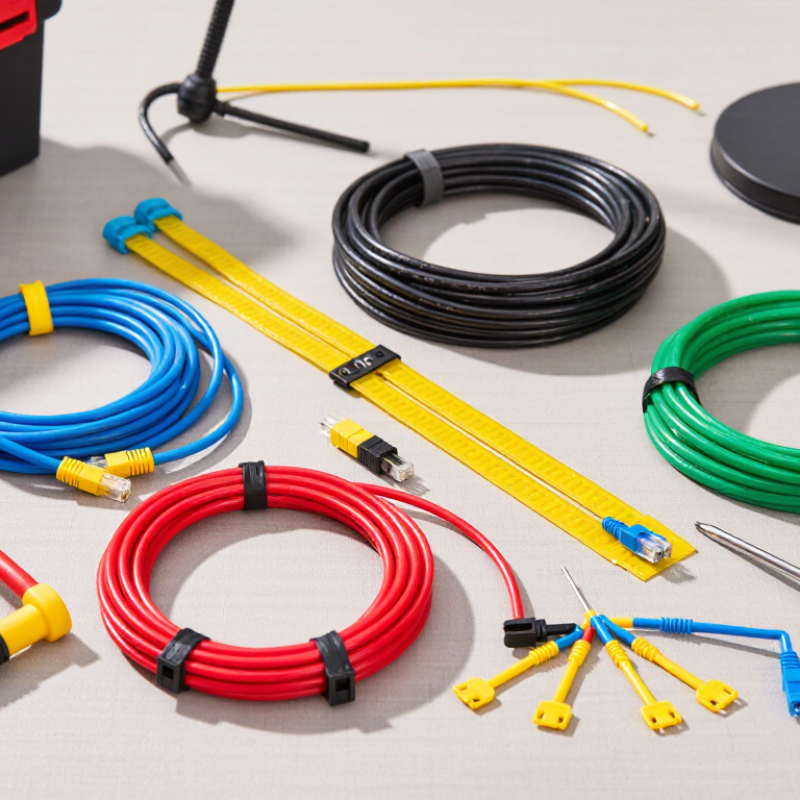
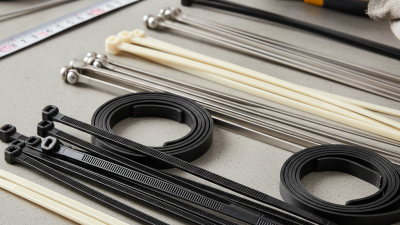
Reusable cable ties are adjustable fasteners designed to bundle, secure, and release cables without cutting the tie. Most use a flexible nylon or polyester strap with a locking head. The strap passes through the head, and small teeth hold it in place. A release tab disengages the lock when the bundle needs adjustment.
They work best when the tie is tight enough to prevent movement, but not so tight that it crushes insulation. In a home office, one tie can organize charger cables under a desk. In a workshop, it can hold sensor wires along a frame. Leave a little room for future cables. That small gap matters.
Material choice affects performance. UV-resistant material suits outdoor exposure, while softer straps reduce pressure on delicate wires. Heat, moisture, vibration, and sharp edges can shorten service life, so inspect ties during maintenance. Look for whitening, cracks, stretched teeth, or a loose locking head. I once tightened a bundle too aggressively and created a neat-looking problem: the cable jacket showed a permanent mark. It still worked, but the installation was not ideal. That experience changed how I judge a “secure” bundle. Reusable ties should also open smoothly; a stiff release tab may indicate wear or dirt. Some designs include a hinged head, while others use a separate release button. Both can work well, though convenience depends on access and hand space. Short ties fit small bundles. Longer ties offer flexibility, but excess strap can snag nearby parts.
Choosing reusable cable ties starts with the application, not the color. Check the tie’s material, width, length, and load rating. Nylon 6/6 works well for indoor cable bundles and control panels. Outdoor installations need stronger UV resistance and stable performance across temperature changes. A tie may look sturdy, yet its locking head can fail under repeated tension. I have found that wider straps usually hold heavy cables more securely, while narrow straps fit neatly behind desks and equipment racks. Small details matter.
Compare the release mechanism carefully. A large tab is easier to press with gloves or cold fingers. Smooth edges protect insulation and reduce hand scratches during installation. Look for flexible straps that bend without whitening or cracking. Moisture, dust, and vibration can change performance over time. Some products claim many reuse cycles, but actual results depend on load and handling. That claim deserves testing.
Tips: Match the tie length to the bundle, leaving slight room for expansion. Never overtighten delicate data cables. Keep the latch visible when possible. For outdoor use, test one tie through heat, rain, and direct sunlight before buying in quantity. Reusing a tie is convenient, but inspecting the teeth and locking head each time is essential. I sometimes prefer replacing a questionable tie rather than trusting an optimistic rating. Safety should not depend on convenience.
Reusable cable ties suit changing spaces better than single-use fasteners. A 2023 Grand View Research report valued the global wire and cable management market at USD 23.33 billion in 2022. It projects an 8.2% annual growth rate through 2030. That growth reflects more connected homes, offices, and workshops.
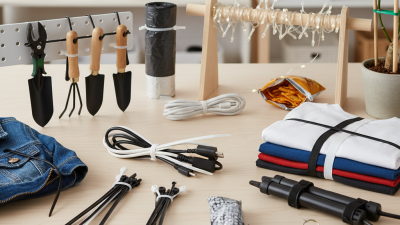
For home use, choose soft hook-and-loop ties. They protect charging cables and open easily during device changes. In offices, wider reusable ties keep monitor, power, and network cables grouped without crushing them. A practical detail matters: leave a small loop near each plug. This prevents sharp bends behind desks.
Workshops need stronger reusable ties with locking buckles and clear load ratings. Nylon versions can handle tool benches, storage racks, and temporary equipment layouts. Check temperature and ultraviolet limits before using them near windows, machinery, or outdoor work areas. IEC 62275:2019 provides relevant guidance for cable tie performance and marking. Still, standards do not replace judgment. A tie rated for heavy loads may damage thin insulation when tightened too far.
I prefer ties that can be released with one hand. That saves time when testing equipment. Keep several lengths nearby. Short ties look tidy, but they become frustrating around thick cable bundles. Grand View’s market data shows strong industry demand, yet product claims deserve careful checking. Some ratings are difficult to compare. Test one tie under real conditions before buying a large quantity.
Reusable cable ties matter most where sunlight, vibration, and moisture attack weak materials. For outdoor work, choose UV-stabilized nylon or durable fluoropolymer options. IEC 62275:2022 emphasizes environmental resistance and secure cable management. ASTM G154 testing also exposes plastics to ultraviolet light and moisture cycles. Real outdoor exposure remains less predictable than laboratory testing.
Automotive applications demand flexibility, heat resistance, and reliable locking. A tie routed near an engine may face oil mist, abrasion, and repeated temperature changes. Use smooth edges around wiring looms, and leave enough slack for movement. Heavy-duty ties should match the bundle diameter and rated tensile strength. Do not treat that rating as a lifting capacity. Vibration can concentrate stress at one sharp bend. I still inspect tight bundles after the first drive. A strong tie can fail quietly.
Tips: Clean dusty surfaces before installation. Keep ties away from exhaust components and sharp brackets. For outdoor runs, position the locking head downward to reduce water collection. Use reusable designs only when future access is genuinely expected. A ratcheting mechanism may feel secure, but cold weather can make some plastics brittle. The U.S. Department of Energy’s 2024 Transportation Energy Data Book highlights demanding thermal conditions across vehicle systems, reinforcing the need for application-specific material selection. When uncertain, test one installed section through heat, rain, and vibration before committing to the full job.
Representative working-load ratings for common reusable cable-tie constructions used in outdoor, automotive, household, and heavy-duty applications. Actual performance varies by material, dimensions, temperature, and installation method.
Nylon ties are lightweight and versatile, UV-stabilized designs are better suited to outdoor exposure, while stainless-steel and heavy-duty constructions provide the highest load capacity. Hook-and-loop ties are intended primarily for organized cable management rather than high-tension restraint.
Choosing a reusable cable tie starts with the load, environment, and release frequency. For indoor desk wiring, a nylon tie with a smooth locking head usually works well. Outdoor runs need UV-resistant material and stable performance across temperature changes. Wet or chemical areas require a tie rated for those conditions, not a hopeful guess. Check the bundle diameter and the published tensile rating before buying. A tie stretched near its limit can loosen, crack, or damage insulation.
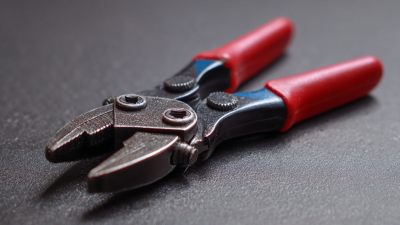
During installation, group cables loosely enough to preserve their shape. Place the tie on a straight section, away from sharp bends and connectors. Feed the tail through the head, then pull until the bundle is secure. Do not crush the cable jacket. A practical test is simple: slide one finger under the tie. If the bundle shifts, add a tie or reposition it. Cut the excess tail with flush cutters, leaving no sharp corner. Hand tension varies more than expected, so consistency matters.
To adjust the tie, press the release tab with a fingernail or blunt tool. Never force the lock sideways; this can deform the mechanism. Open the tie slowly and inspect the teeth, hinge, and cable surface. Replace it if the lock slips, whitening appears, or the material feels brittle. Keep unused ties sealed, dry, and away from direct sunlight. Label dense bundles before maintenance. This small step prevents unnecessary pulling on connected equipment. Even a well-chosen tie can fail when over-tightened or reused too many times.
| No. | Reusable Cable-Tie Type | Typical Size Range | Common Material | Closure and Adjustment | Typical Temperature Range | Typical Load Guidance | Best Application | Installation, Adjustment, and Maintenance Notes |
|---|---|---|---|---|---|---|---|---|
| 1 | Standard releasable nylon tie | 150–300 mm long; 3.5–4.8 mm wide | Nylon 6/6 | Spring tab or thumb latch; can be opened and reused several times when the latch is not damaged | Approximately −40°C to 85°C; heat-stabilized grades may reach about 105°C | Light to medium bundles; commonly about 18–30 kgf, depending on width and design | Home wiring, office equipment, temporary cable organization, and general maintenance | Wrap around the bundle without crushing it. Press the release tab to reopen. Inspect the latch and strap for whitening, cracks, or deformation before reuse. |
| 2 | Releasable ladder-style nylon tie | 200–400 mm long; 4.5–7.6 mm wide | Nylon 6/6, often UV-stabilized | Adjustable buckle with multiple locking positions; releases without cutting | Approximately −40°C to 85°C; UV-stabilized versions are preferable outdoors | Medium bundles; commonly about 30–55 kgf, depending on strap width | Computer racks, patch panels, test equipment, and cable bundles that require frequent changes | Leave enough tail length for future adjustment. Engage the buckle fully, but do not overtighten around data or fiber cables. Remove dirt from the teeth before reuse. |
| 3 | Hook-and-loop cable strap | 150–600 mm long; 12–25 mm wide | Polyamide or polyester textile with hook-and-loop surfaces | Peel-open closure; provides continuous adjustment and quick release | Approximately −20°C to 80°C; the backing and adhesive, if present, may have lower limits | Light to medium bundles; load depends mainly on strap width and closure engagement | Fiber-optic cables, audio/video systems, desk setups, and frequently reconfigured installations | Keep the strap flat and fully engaged. Avoid placing hooks directly against delicate cable jackets. Brush away lint and replace the strap if the closure no longer grips securely. |
| 4 | Elastic silicone cable tie | 100–250 mm long; 4–8 mm wide | Silicone rubber | Stretchable loop with molded button or slot; adjusts to different bundle diameters | Approximately −50°C to 200°C, depending on silicone formulation | Light-duty bundles; intended for flexible organization rather than high-load restraint | Portable electronics, appliance cords, laboratory leads, and cables exposed to vibration | Stretch only enough to secure the bundle. Check for cuts, tackiness, swelling, or loss of elasticity. Keep away from sharp edges that can tear the silicone. |
| 5 | UV-resistant outdoor releasable nylon tie | 200–370 mm long; 4.8–7.6 mm wide | UV-stabilized nylon 6/6, commonly black | Releasable locking head; adjustable and reusable when protected from excessive weathering | Approximately −40°C to 85°C; actual outdoor life depends on sunlight and climate | Medium bundles; commonly about 30–55 kgf, depending on construction | Garden lighting, solar wiring, outdoor cameras, and temporary exterior cable routing | Use UV-stabilized material rather than natural or clear nylon for exposed locations. Check annually for fading, brittleness, and surface cracking. |
| 6 | Stainless-steel reusable strap with buckle | 300–900 mm long; 4.6–12.7 mm wide | Stainless steel, commonly grades 304 or 316 | Metal buckle or clamp; some versions can be loosened and reused, while others are semi-permanent | Approximately −80°C to 500°C, depending on grade and buckle design | Medium to heavy restraint; verify the rated breaking load for the exact width and buckle | Industrial equipment, exhaust systems, marine areas, and high-temperature cable routing | Wear gloves and deburr or cover cut ends. Do not reuse a strap that has been sharply bent, kinked, or heavily corroded. Keep dissimilar metals isolated where galvanic corrosion is possible. |
| 7 | Fluoropolymer reusable cable tie | 150–300 mm long; 3.5–5.0 mm wide | PTFE, PVDF, or another fluoropolymer | Releasable polymer head or adjustable strap design | Approximately −60°C to 150°C; the exact limit varies considerably by polymer | Light to medium bundles; use the manufacturer’s rated load because fluoropolymers vary in strength | Chemical-processing areas, clean environments, laboratories, and corrosive atmospheres | Confirm chemical compatibility and temperature limits before installation. Clean with a compatible solvent or mild detergent, and inspect the locking head for stress cracking. |
| 8 | PEEK high-temperature releasable tie | 100–300 mm long; 3.5–5.0 mm wide | Polyether ether ketone (PEEK) | Releasable polymer locking head; repeated adjustment is possible if the head is not overstressed | Approximately −55°C to 250°C for many grades; verify the continuous-use rating | Light to medium bundles; high temperature capability is usually prioritized over maximum tensile load | Aerospace-adjacent equipment, engine compartments, high-temperature instruments, and demanding laboratories | Avoid sharp bends during installation. Confirm resistance to the specific fluid or chemical. Replace the tie if the head becomes brittle, deformed, or unable to hold tension. |
| 9 | Reusable cable tie with mounting eye | 150–300 mm long; 4.8–7.6 mm wide | Nylon 6/6 or UV-stabilized nylon | Releasable tie combined with a screw, rivet, or stud-mount eye | Approximately −40°C to 85°C; outdoor versions should be UV-stabilized | Medium bundles; mounting strength also depends on the fastener, panel, and installation surface | Automotive harnesses, control cabinets, machinery frames, and fixed cable routes | Install the mounting point before tightening the strap. Avoid routing cables over sharp panel edges. Check both the tie and mounting fastener for looseness, abrasion, and vibration damage. |
| 10 | Low-profile releasable tie with protective edge | 100–250 mm long; 3.0–4.8 mm wide | Nylon or flexible polyamide with a smooth, rounded head | Compact release mechanism; offers a smooth outer profile and moderate adjustment | Approximately −40°C to 85°C, depending on material and design | Light-duty bundles; intended to reduce snagging and pressure points rather than support heavy loads | Wearable devices, consumer electronics, compact panels, and tight spaces with limited clearance | Position the smooth side toward sensitive surfaces. Leave slight movement for cables that flex. Inspect the release feature and rounded edges for wear before reinstalling. |