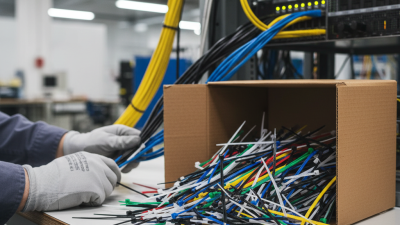
China Top Bulk Cable Ties Supplier for Global Buyers

China has become a major sourcing base for bulk cable ties used in electrical, automotive, construction, and industrial projects. Global buyers often need more than competitive pricing. They need stable quality, accurate dimensions, clear communication, and dependable delivery. A professional supplier should provide material information, tensile strength data, color options, packaging details, and practical product samples before large-scale purchasing begins.

Experienced manufacturers commonly produce ties from nylon 66, with options for UV-resistant grades and different operating temperatures. Buyers should check locking performance, edge smoothness, bending flexibility, and consistency between production batches. Small details matter. A weak lock can delay installation. Poor packaging can create moisture concerns during transport. Reliable suppliers use documented inspections, calibrated testing equipment, and traceable production records. They also explain limitations instead of making vague promises.

Real sourcing experience shows that every order needs careful review. Some buyers focus heavily on unit price and overlook carton strength or delivery timing. That can become expensive later. A trustworthy China supplier communicates clearly about tooling, minimum order quantities, samples, lead times, and quality-control checkpoints. Photos help, but physical samples remain more convincing. We recommend comparing several samples under realistic installation conditions. No supplier gets every detail right. Even strong factories may need feedback on labeling, packing, or color matching. This practical cooperation builds confidence and supports long-term supply relationships for global buyers seeking dependable bulk cable ties.
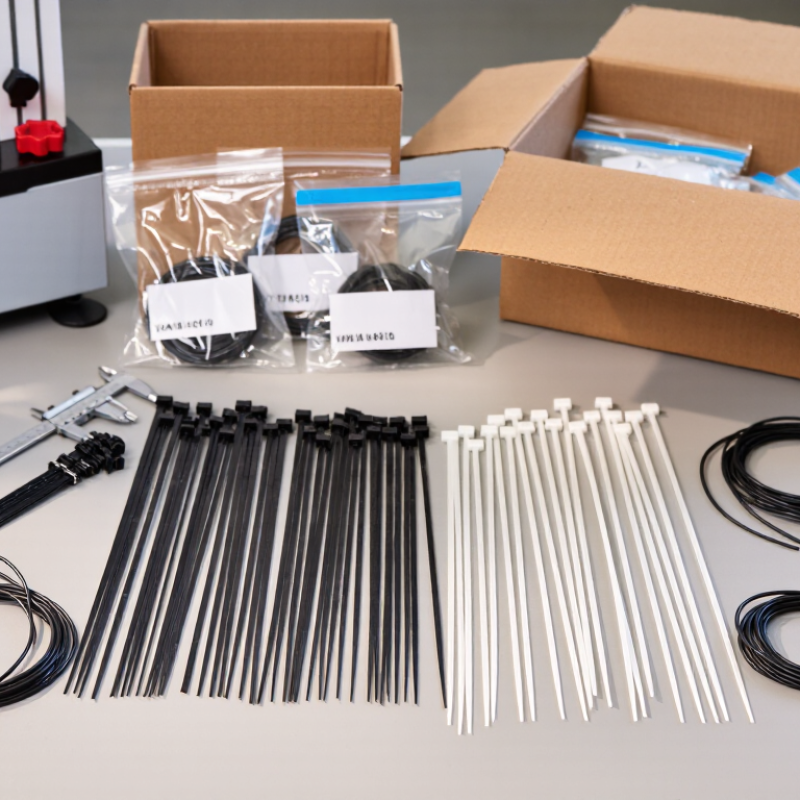
China Top Bulk Cable Ties Supplier for Global Buyers

What Bulk Cable Ties Are and Why Global Buyers Use Them

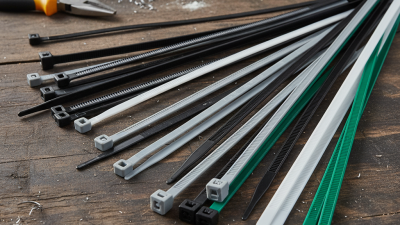
Bulk cable ties are fastening strips supplied in large quantities for repeated installation work. Most are made from nylon and include a flexible strap, locking head, and toothed surface. When pulled through the head, the teeth hold wires, hoses, or light components firmly in place.

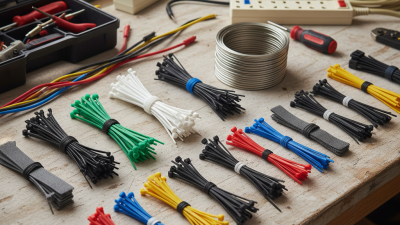
Global buyers use them in electrical assembly, construction, warehouse organization, and equipment maintenance. A workshop may consume thousands each month. Bulk purchasing helps reduce unit cost, packaging waste, and delivery interruptions. It also keeps matching sizes available. Common choices include different lengths, widths, colors, and tensile strengths. Outdoor projects may require UV-resistant material. Indoor cable management often needs only standard nylon ties.

Details matter more than a low quotation. Buyers should check material grade, working temperature, locking performance, and breaking strength before placing a large order. Sample testing can reveal brittle straps, uneven teeth, or heads that fail under pressure. Ask for clear specifications and inspection records. A reliable supplier should explain production controls, packaging methods, and batch consistency.

Small differences can cause delays. A tie that feels strong may weaken after prolonged sunlight or heat exposure. I would also avoid ordering one size for every task. That shortcut often creates waste. Practical sourcing means matching the tie to the load, environment, and installation method. Clear cartons, dry storage, and counted inner bags make receiving easier for international teams.

How to Evaluate a China-Based Bulk Cable Tie Supplier

Evaluating a China-based bulk cable tie supplier requires more than comparing unit prices. I inspect nylon grade, dimensions, tensile strength, color stability, and mold finish. A reliable supplier should provide batch records, inspection reports, and clear material declarations. Ask for samples from different production lots. One perfect sample proves little.

The ISO Survey 2023 records 1,265,321 valid ISO 9001 certificates worldwide. Certification is useful evidence, but it is not proof of every shipment’s quality. Check the certificate scope, issuing body, and factory address. Request recent process-control records, calibration logs, and corrective-action reports. I also compare pull-force results against applicable IEC 62275 requirements. The cable tie should lock cleanly, without sharp flash or brittle fractures. Small details matter.

Capacity and export discipline deserve equal attention. UNCTAD’s Review of Maritime Transport 2023 states that over 80% of global merchandise trade by volume moves by sea. Confirm carton dimensions, moisture protection, pallet standards, production lead time, and backup shipping plans. Ask whether the factory owns its molding equipment or relies heavily on subcontractors. That answer can expose hidden delays. I still check twice. A polished audit visit can create false confidence, while inconsistent labeling or weak lot traceability may appear only after thousands of pieces arrive. A written quality agreement, pre-shipment inspection, and retained samples reduce that risk.

Materials, Sizes, and Performance Standards to Compare

China Top Bulk Cable Ties Supplier for Global Buyers

Material choice affects strength, aging, and installation reliability. General-purpose nylon 6/6 suits indoor wiring and moderate temperatures.

For outdoor use, UV-stabilized nylon helps resist sunlight and brittleness. Stainless steel ties handle heat, moisture, and demanding industrial environments.

However, stainless steel is not automatically the best option. It can increase cost and complicate cutting during installation.

Compare length, width, and bundle diameter together. A 100 mm tie may fit a small control panel, while 300 mm or longer ties suit large cable groups.

Wider straps usually provide higher tensile strength. Check the minimum bundle diameter too.

An oversized tie may leave a loose tail and poor appearance. An undersized tie can overstress the locking head.

Small details matter.

Performance data deserves careful review. IEC 62275 and UL 62275 provide useful references for cable tie safety and performance.

Ask for tensile strength results, material declarations, operating temperature ranges, and flammability information.

For outdoor applications, request UV-aging evidence rather than accepting a simple “weather resistant” claim.

Color can also affect durability; black ties often contain carbon black for better UV resistance.

I have seen buyers compare only price and length. That approach misses locking reliability, batch consistency, and packaging damage.

Test samples under actual load when possible. Laboratory figures help, but field conditions can be less forgiving.

Ordering, Customization, Packaging, and Export Logistics

China Top Bulk Cable Ties Supplier for Global Buyers

Ordering bulk cable ties should begin with application details, not only quantity. We review bundle diameter, required tensile strength, operating temperature, and installation conditions. Nylon ties suit many indoor uses, while weather-resistant grades support outdoor projects. A sample check remains important. Small differences matter.

Customization can include length, width, color, head shape, and locking performance. We can match production to drawings or approved samples. Clear specifications reduce rework and unexpected costs. However, customization is not always efficient for small volumes. That point deserves honest discussion before production starts. A practical supplier confirms tolerances, testing methods, and sample approval in writing.

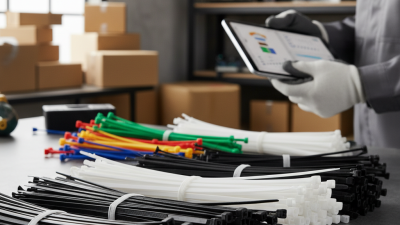
Packaging protects both product quality and warehouse efficiency. Options may include sealed bags, cartons, barcode labels, and pallet loading based on buyer requirements. Export logistics require accurate commercial invoices, packing lists, shipping marks, and product descriptions. We coordinate production schedules with inspections and cargo collection. Lead times can change during peak seasons. We do not pretend otherwise. Buyers should also confirm destination requirements with their customs professionals, because documentation expectations differ by market. Clear communication, traceable batches, and realistic delivery updates create a more dependable purchasing experience.

Quality Assurance, Compliance, and Long-Term Supplier Management

For global buyers, a bulk cable ties supplier in China must prove more than production capacity. Experience shows that small details decide field performance. Molded edges should feel smooth, not sharp. Locking heads need consistent engagement across samples. A reliable factory checks width, length, tensile strength, and color by batch. Test records should identify the material lot, production date, operator, and inspection result. Random samples are useful. They are not enough alone.

Quality assurance becomes stronger when incoming nylon, molding settings, and finished goods are controlled together. Practical checks may include pull testing, dimensional measurement, heat exposure, and UV suitability for outdoor applications. Requirements should match the buyer’s market and stated use. Compliance files must remain current and traceable, including material declarations and test reports where applicable. We should never treat a certificate as permanent proof. Regulations and customer specifications change. Some suppliers overlook this gap.

Long-term supplier management needs an approved sample, agreed packaging, and clear change-control rules. If resin, mold, color, or production location changes, the buyer deserves advance notice. Quarterly reviews can examine defect rates, delivery accuracy, complaints, and corrective actions. Factory visits add useful evidence, especially when records match the physical process. Communication matters during small failures. A delayed response can cost more than a rejected carton. No inspection system is perfect. Honest reporting makes improvement possible. Supplier relationships mature through repeated evidence, not promises.