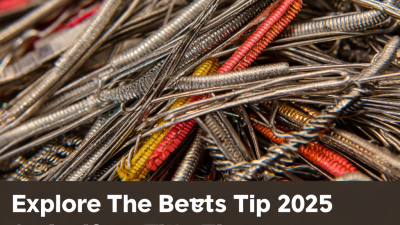
Global buyers evaluating China’s stainless cable ties suppliers need more than a polished catalogue. Material grade, locking-head design, edge finish, and test records all affect performance in the field. A tie securing a cable bundle beside a vibrating machine faces different demands from one used in a sheltered indoor cabinet.
Industry data offers useful context, but it needs careful reading. worldstainless’ Stainless Steel in Figures 2024 reports global stainless-steel crude production of about 58.4 million tonnes in 2023. That figure reflects the wider material industry, not cable-tie output. MarketsandMarkets’ cable-management market research also provides broader market context; its scope should not be mistaken for a stainless cable ties forecast. The distinction matters.
For supplier comparisons, buyers can request verifiable details: steel grade, tensile-test method, batch traceability, and corrosion-test conditions. Ask whether test results apply to the quoted model, not merely a similar product. For electrical installations, IEC 62275 provides relevant requirements for cable ties, but buyers should confirm the exact product’s applicable conformity documentation. A certificate alone is not the whole story. Factory capability, consistent production, and clear responses to technical questions deserve equal attention. Supplier rankings can be useful starting points, yet they rarely show how a product performs after months outdoors. That uncertainty is worth acknowledging. This guide helps global buyers assess Chinese suppliers using evidence, practical questions, and criteria that can be checked before placing an order.

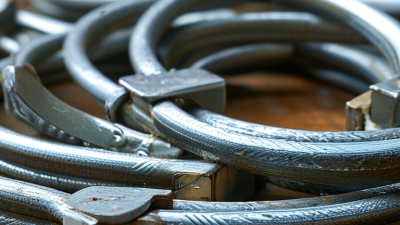
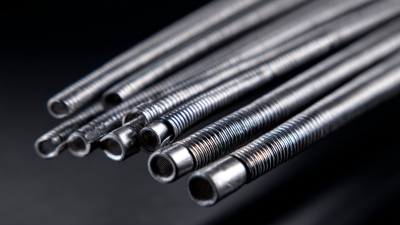
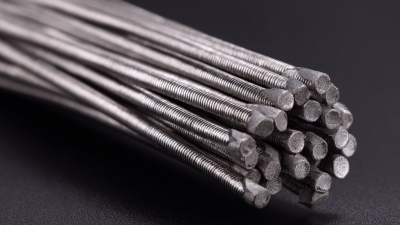
Stainless steel cable ties are narrow metal straps used to bundle cables, hoses, and pipework where heat, moisture, or abrasion can challenge plastic ties. Their strength comes from the steel strip and locking head, but performance also depends on grade, width, and installation. Grade 304 is common for general outdoor and industrial use. Grade 316 offers better resistance in salt spray and some chemical environments. Neither grade is immune to every corrosive condition.
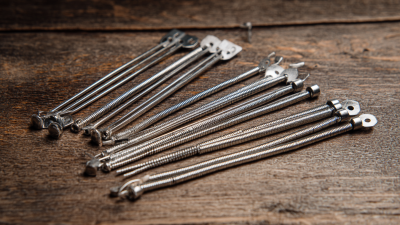
The main types include ball-lock ties, ladder-style ties, and releasable ties. Ball-lock designs feed through a small locking head and tighten quickly around a bundle. Ladder-style versions use formed slots or steps to hold the strap. Releasable models can be opened for adjustments, though their locking mechanism may need extra care during installation. Coated ties add a smoother surface, which can help protect bundled cables from abrasion. Details matter.
Tips: Match the tie grade to the actual exposure, not just the product label. Use a tensioning tool for consistent tightening, then trim the tail cleanly. A rough cut can leave a sharp edge. Check the required bundle diameter and working load before choosing a size; these specifications are easy to overlook.
Choosing a stainless cable tie starts with its environment. Grade 304 suits many indoor and general-purpose installations. Grade 316 contains molybdenum, which generally improves resistance to chloride exposure near coastal sites or washdown areas. Neither grade is immune to corrosion. Check the wire specification against ASTM A580/A580M, and ask suppliers for material test certificates rather than relying on a grade label alone. A certificate helps verify composition, but it does not prove the finished tie’s load performance.
Performance depends on more than alloy. Compare tensile strength, tie width, buckle design, edge finish, and locking consistency. The NACE IMPACT study estimated corrosion costs at US$2.5 trillion annually, or 3.4% of global GDP, in its 2016 analysis. That figure covers corrosion broadly, not cable ties specifically, but it shows why material selection matters. For qualification, ISO 9227 salt-spray testing can support comparisons; it cannot predict every real-world service life. Humidity, salt deposits, installation tension, and contact with other metals all matter. A test result is useful, but not the whole story.
Tips: Request the steel grade, wire diameter, breaking-load data, and test method in writing. Check sample ties on the actual cable bundle. Small details matter. A sharp edge or inconsistent lock can undermine an otherwise suitable grade.
Across industries, stainless cable ties secure cables, hoses, and small pipes where ordinary plastic ties may not suit heat or exposure. In factories, crews use them to group wiring along machine frames and control panels. The smooth band helps reduce snagging when cables are routed through crowded spaces. Small details matter. A poorly placed tie can press against insulation or leave a sharp edge near a worker’s hand.
Outdoor applications include utility installations, solar arrays, and equipment mounted on exposed structures. Stainless steel can resist corrosion, but the right grade depends on the environment. Coastal air and chemical splash may call for different material choices than a dry warehouse. In practice, site conditions are not always as clean as drawings suggest. That deserves a second look.
Transport and marine equipment also use stainless ties to hold wiring and hoses against vibration. Installers should choose an appropriate tie width and tension tool, then check the bundle for movement or pinching. Over-tightening is easy to overlook. For global buyers, clear details about material grade, dimensions, and installation requirements help match ties to real working conditions.
Evaluating stainless steel cable tie suppliers in China takes more than comparing unit prices. Ask for the steel grade, material certificates, and documented tensile test results. For outdoor or coastal installations, confirm whether 304 or 316 stainless steel suits the exposure conditions. A grade label alone is not proof.
Review how each supplier controls production. Request sample ties from the same product range you plan to order, then check band edges, buckle alignment, and locking action. Compare test methods and results, not just headline strength figures. Ask how batches are identified and how defects are handled. Small details matter.
Inspect packaging and finish, too. Burrs can complicate handling, while inconsistent locking can slow installation. A factory audit or third-party inspection may help verify stated processes, though neither guarantees every shipment will be perfect. It is easy to overvalue a polished brochure; the sample may tell a different story. Keep written specifications and approval records, and clarify any unanswered points before placing a large order.
Suggested buyer-set evaluation weights (%)
Prioritize material documentation, corrosion-test evidence, and tensile or loop-strength results. Treat these weights as a starting point and adjust them to fit your application, operating environment, and purchasing requirements; they are not market survey data.
Reliable stainless cable tie sourcing begins with a clear inspection plan. Ask suppliers for material grade documentation and check dimensions against your drawings. Examine cut edges for burrs, then test whether the locking head holds under tension. For outdoor use, request corrosion-test details and review the test conditions. A polished sample is not proof of consistent production. Check several pieces from different cartons.
Before placing an order, confirm tie length, width, thickness, finish, packaging, and acceptable tolerances in writing. Specify the required quantity per pack and carton markings. Approve a production sample when practical, then agree on inspection timing and how defects will be handled. Small details matter. A missing length label can slow warehouse receiving, even when the ties themselves meet specifications.
Export planning deserves the same care as product checks. Confirm lead time, packing method, shipment terms, and document responsibilities before paying a deposit. Request a commercial invoice and packing list, and verify any additional paperwork with your freight forwarder or customs adviser. Classification and import requirements can vary by destination. Leave room for correction: buyers sometimes discover that their preferred carton size costs more to ship than expected. Recheck the packed dimensions before production is complete.
A practical, brand-neutral supplier evaluation guide. Product specifications and commercial terms vary by factory and order; confirm all requirements in a written quotation and approved sample.
| Evaluation Area | Dimension | What Buyers Should Check | Useful Evidence or Action |
|---|---|---|---|
| Product specification | Stainless steel grade | Confirm the specified alloy, commonly 304 for general environments or 316 where greater corrosion resistance is required. Select based on exposure conditions rather than grade name alone. | Request material identification and a mill test certificate when required; match the certificate to the supplied lot. |
| Product specification | Tie type and dimensions | Define the locking design, width, length, thickness, bundle range, and edge finish. Check that the lock engages reliably and that the tie suits the installation space. | Approve a dimensional drawing or sample. Specify tolerances and inspection points in the purchase order. |
| Product specification | Coating and operating environment | For coated ties, identify coating material, color, thickness, and intended temperature, UV, chemical, and abrasion exposure. Confirm compatibility with the application. | Request coating details and relevant test data; inspect for even coverage, peeling, cracks, and exposed sharp edges. |
| Quality checks | Material and workmanship | Check for consistent dimensions, clean cut ends, smooth edges, secure locks, and visible corrosion, dents, or coating defects. | Agree on an inspection plan and defect acceptance criteria before mass production; retain an approved reference sample. |
| Quality checks | Mechanical performance | Set application-specific requirements for tensile or loop strength. Performance depends on tie dimensions, alloy, locking mechanism, and test method. | Ask for test results that state the method, sample quantity, test conditions, and acceptance limits; do not rely on an unstated strength claim. |
| Quality checks | Corrosion resistance | Specify the expected service environment and any required corrosion test. Salt-spray results are comparative test data, not a direct guarantee of field service life. | Request the test method, exposure duration, evaluation criteria, and report for the relevant material and finish. |
| Supplier review | Quality management | Review whether the supplier has documented controls for incoming materials, production, inspection, traceability, and corrective actions. | Request relevant audit or quality-system documentation. Treat management-system certification as separate from product approval. |
| Ordering | Quotation and order details | Compare like-for-like specifications, quantity, packaging, tooling or setup charges, payment terms, quotation validity, and delivery schedule. | Ensure the pro forma invoice and purchase order state grade, dimensions, finish, quantity, packaging, inspection requirements, and agreed tolerances. |
| Ordering | Samples and production approval | Evaluate samples for fit, locking action, finish, and compatibility with the intended installation before approving production. | Record sample approval in writing and identify the approved sample or specification revision in the order documents. |
| Ordering | Lead time and capacity | Separate sample, production, inspection, and shipping time. Confirm whether the quoted schedule depends on material availability or order quantity. | Request a dated production schedule and written notice process for delays; reconfirm the schedule before shipment. |
| Export considerations | Packaging and labeling | Agree on units per pack, carton quantity, carton strength, moisture protection, product identification, and any destination-market labeling requirements. | Approve packaging details and carton markings before dispatch; request packing photos or a packing-list review. |
| Export considerations | Shipping terms and cost | Compare offers using the same delivery point and Incoterms® 2020 rule. Clarify who arranges freight, insurance, export clearance, and destination charges. | State the named place or port and the agreed Incoterms® rule in the quotation, invoice, and contract. |
| Export considerations | Customs documents and classification | Confirm the product description, origin, customs classification, and destination import requirements with the customs broker. Classification can depend on the product and jurisdiction. | Check the commercial invoice, packing list, transport document, and any required certificate of origin or conformity documents before shipment. |
| Export considerations | Regulatory and chemical compliance | Identify requirements for the destination market and end use. Where applicable, request declarations or test documentation for relevant chemical or restricted-substance rules. | Specify the exact regulation and document format required; verify that documents cover the ordered material, coating, and product configuration. |
| Risk control | Pre-shipment inspection and claims | Agree on inspection timing, sampling approach, remedies for nonconforming goods, and the period for reporting shortages or defects. | Use a written inspection record, retain shipment samples, and document any claim with photographs, lot details, and test results. |