Why Choose Hand Retractable Spring Plunger for Your Projects?
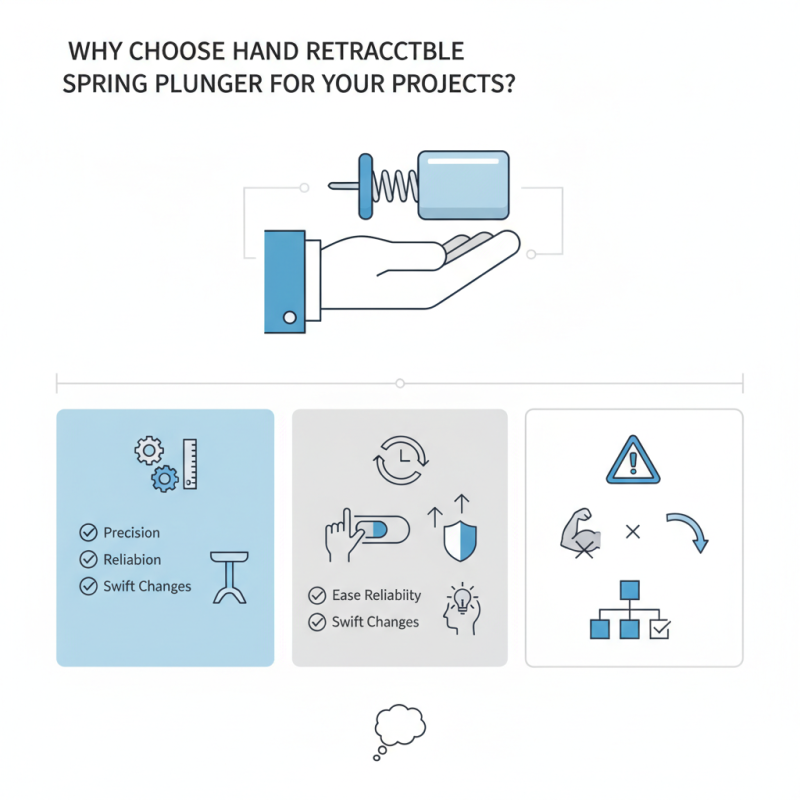
When it comes to engineering and design projects, precision and reliability are vital. One tool that can enhance these elements is the Hand Retractable Spring Plunger. This seemingly simple device offers significant advantages in various applications, from machinery to furniture design. Understanding its role is crucial for any project requiring secure positioning or adjustable features.
The Hand Retractable Spring Plunger operates with ease. Its retraction mechanism allows for quick adjustments without compromising safety. This feature is particularly beneficial in environments where swift changes are necessary, making it essential for both professionals and hobbyists. Many users appreciate the user-friendly nature of this tool, as it simplifies complex tasks.
However, not all applications are ideal for a Hand Retractable Spring Plunger. In scenarios requiring excessive force or prolonged use, there may be limitations. Users must consider the specific demands of their projects. Overall, the decision to integrate this tool should be well thought out, ensuring it aligns with project requirements to achieve the best results.
Benefits of Using Hand Retractable Spring Plungers in Mechanical Projects
Hand retractable spring plungers are essential components in various mechanical projects. Their design allows for quick and easy engagement and disengagement. This feature is crucial when precision and efficiency are required. By using these plungers, you can simplify your assembly process, saving time and reducing potential errors. They offer reliable performance in locking and positioning applications.
Using hand retractable spring plungers also enhances safety in mechanical tasks. Their reliable engagement prevents accidental releases. This means fewer accidents and a safer working environment. Additionally, they can be adjusted easily, making them versatile and adaptable to different project requirements. Their compact size allows for integration into tight spaces without compromising functionality.
Tip: When installing these plungers, ensure proper alignment. Misalignment can lead to premature wear or malfunction. Regular maintenance checks can increase the longevity of your plungers. Keep an eye on wear and tear to avoid unexpected failures during critical operations. A small investment in quality control can pay off in project success.
Key Features of Hand Retractable Spring Plungers to Consider
Hand retractable spring plungers are essential in various engineering applications. They provide reliable locking mechanisms. Many engineers favor them for quick adjustments. The plunger’s design ensures consistent performance in high-stress environments.
Key features to consider include material strength and durability. Common materials like stainless steel withstand corrosion. According to the American Society of Mechanical Engineers (ASME), robust materials can enhance lifespan. Additionally, the force exerted by the spring matters. A study published in the Journal of Mechanical Engineering showed that optimal spring tension improves efficiency.
Ergonomics also play a significant role. The ease of operation can impact productivity. Users should find plungers easy to manipulate. A poorly designed plunger can lead to user fatigue. Engineers should evaluate design dimensions and hand grips carefully. Selecting the right spring plunger can enhance project outcomes significantly.
Why Choose Hand Retractable Spring Plunger for Your Projects?
| Feature | Description | Benefits |
| Ease of Use | Designed for simple engagement and disengagement with just a hand movement. | Increases efficiency and reduces user fatigue. |
| Durability | Made from high-quality materials to withstand repetitive use. | Long-lasting performance, saving costs on replacements. |
| Variety of Sizes | Available in multiple sizes to fit diverse applications. | Flexibility in design and application, catering to specific project requirements. |
| Customization Options | Can be tailored to meet unique specifications. | Enhances integration into various projects. |
| Safety Features | Includes features designed to minimize accidental release. | Increased safety for operators and surrounding personnel. |
Applications of Hand Retractable Spring Plungers in Various Industries
Hand retractable spring plungers find versatile applications across various industries. In manufacturing, they serve as essential components for positioning and securing parts during assembly. Their simple design allows for quick engagement and disengagement, facilitating efficient workflows. Plungers can hold workpieces in place without obstructing machinery, which minimizes downtime.
In the automotive industry, these plungers offer reliability in adjustment mechanisms. They help secure hood or trunk latches, ensuring proper functionality. Such applications are critical for safety inspections and performance tests. However, improper installation can lead to mechanical failure, affecting safety. Regular maintenance checks are vital to prevent such issues.
Moreover, in the furniture industry, hand retractable spring plungers support adjustable tables and chairs. By incorporating them, manufacturers allow for customized user experiences. Yet, fluctuating material quality can lead to variations in performance. Always sourcing from reputable suppliers can mitigate such risks. Awareness of these challenges is crucial for effective use in projects.
Applications of Hand Retractable Spring Plungers in Various Industries
Factors Influencing the Selection of Hand Retractable Spring Plungers
When selecting hand retractable spring plungers, several factors play a critical role. The application’s specific requirements shape the choice of plunger. For instance, the load capacity of the plunger should align with the forces it will encounter. A study from the Precision Engineering Journal notes that improper load ratings can lead to premature failure in mechanical systems. Users often overlook this aspect, which can result in costly replacements.
Material selection is another significant factor. Most plungers are made from stainless steel for durability and corrosion resistance. However, there are cases where a nylon or plastic alternative may be more appropriate. According to a report by Product Design & Development, nearly 30% of design failures relate to material mismatches. This oversight often arises from insufficient understanding of both the material properties and the operating environment.
Finally, ease of use cannot be ignored. The design must accommodate ergonomic handling to ensure that users can operate it efficiently. A survey by the Industrial Ergonomics Institute found that nearly 40% of operators prefer tools that require less effort. This preference shows the importance of balancing functionality with user comfort. Selecting the right hand retractable spring plunger involves careful consideration to avoid common mistakes that could hinder project success.
Maintenance and Care Tips for Hand Retractable Spring Plungers
When utilizing hand retractable spring plungers in your projects, proper maintenance significantly enhances their lifespan. According to a report from the American Society of Mechanical Engineers, regular care can increase equipment longevity by up to 30%. Dirt and debris can accumulate, affecting functionality. It’s crucial to keep these plungers clean to ensure optimal performance.
One effective tip is to regularly inspect the plungers for wear and tear. Look for signs of rust or corrosion. Implement regular lubrication with light oil to maintain smooth operation. A study by the Precision Engineering Society suggests that lubrication alone can reduce friction by 47%, leading to increased efficiency. Be mindful of over-lubrication as this can attract dirt.
Storage also plays a role in maintaining their quality. Place plungers in a climate-controlled area and away from harsh chemicals. This reduces the risk of degradation. Ignoring storage can lead to significant wear over time. Remember, a proactive approach towards maintenance can save costs in the long run.


