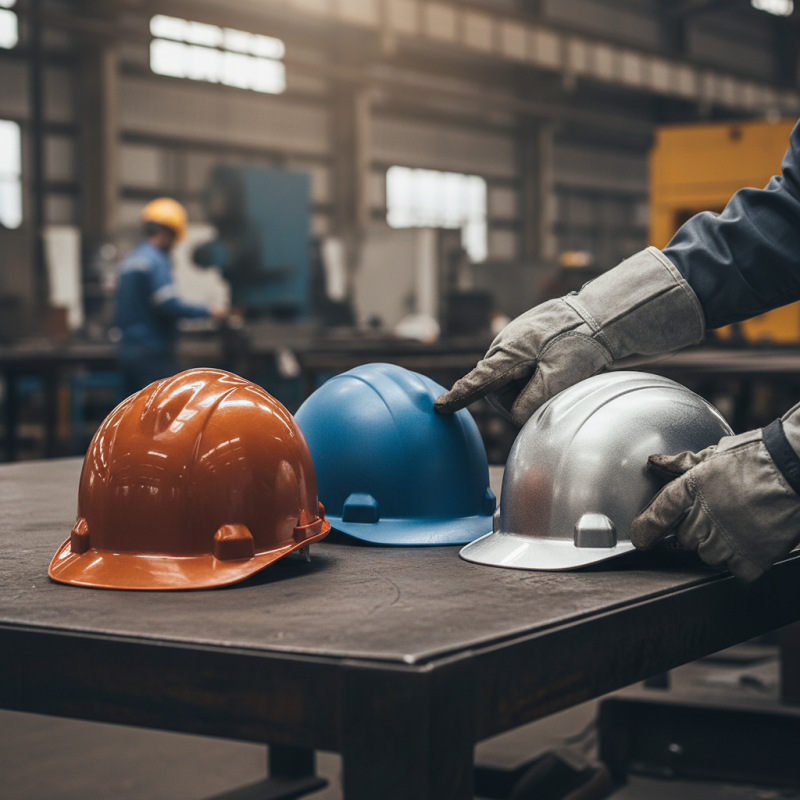
How to Choose the Right Baking Finish Industrial Safety Helmet?
Choosing a Baking Finish Industrial Safety Helmet is essential for workplace safety. In various industries, safety helmets are a critical protective gear. They shield workers from potential hazards, ensuring their well-being on the job.
The baking finish industrial safety helmet boasts numerous advantages. Its durable coating enhances longevity and resistance to environmental factors. This finish also improves visibility, which is crucial for those working in low-light conditions. However, selecting the right helmet can be challenging. Various options exist, and not all are suitable for every work scenario.
Consider your specific needs and the environment in which you work. Reflect on potential hazards and the comfort of the helmet. Balancing safety, style, and functionality can be tricky. Making an informed choice involves understanding the features that matter most to you.
Understanding the Importance of Baking Finish in Industrial Safety Helmets
Baking finish plays a crucial role in the performance and longevity of industrial safety helmets. A high-quality baking finish ensures that the helmet is resistant to abrasions and chemicals, enhancing its durability. This finish creates a smooth, protective layer that can withstand harsh environmental conditions. In industries like construction and manufacturing, this is essential for safety.
Choosing the right baking finish should involve considering the working environment. Different finishes offer varying levels of protection. Some may provide better UV resistance, while others excel in chemical protection. Potential users often overlook the significance of these differences and end up with a helmet that does not meet their specific needs.
Moreover, a helmet's appearance can also be influenced by its finish. A well-applied baking finish not only protects but also maintains the helmet's aesthetic appeal. However, imperfect finishing processes can lead to unsightly blemishes. Making an informed choice requires careful consideration of these factors. Understanding the essential attributes of a baking finish ensures optimal protection and usability in the workplace.
Key Factors Influencing Helmet Material and Finish Selection
When selecting an industrial safety helmet, material and finish are crucial aspects that influence performance and durability. The right choice can ensure better protection and comfort. Common helmet materials include polycarbonate, fiberglass, and high-density polyethylene. Each has its strengths and weaknesses. Polycarbonate is lightweight yet strong, making it a popular choice. However, it may not withstand high temperatures as well as fiberglass.
The finish of the helmet impacts its resistance to environmental factors. Matte and glossy finishes have different aesthetics, but they also affect visibility. A matte finish may hide scratches better, while gloss can enhance visibility. Consider your work environment. Does it involve exposure to chemicals or extreme weather? These factors can help guide your choice.
Tips: Always verify the helmet's compliance with safety standards. Look for certifications that demonstrate reliability. If possible, try on different helmets to assess comfort and fit. An uncomfortable helmet can hinder performance. Reflect on your daily tasks to ensure optimal protection. A helmet that fits poorly may not offer the necessary safety during critical situations.
Factors Influencing Helmet Material and Finish Selection
Evaluating Industry Standards for Helmet Safety and Performance
When selecting a baking finish industrial safety helmet, understanding industry standards is crucial. Helmets need to meet specific criteria to ensure safety and performance. Look for certifications from recognized organizations. These certifications provide proof that the helmet has undergone rigorous testing. Safety features include impact resistance, flame retardancy, and electrical hazards protection.
Tip: Always check for the latest standards in your industry. Regular updates occur as technology advances. Helmets should fit snugly to ensure they do not shift during use. A poor fit can compromise protection.
Consider comfort as well. A well-ventilated helmet is essential for maintaining focus during long hours. Heavy helmets can cause fatigue. Lightweight alternatives may provide better comfort without compromising safety.
Tip: Invest time in testing different models. Your head shape may affect the helmet's fit. Don’t hesitate to seek advice from experienced colleagues regarding their choices or lessons learned. The right helmet significantly contributes to workplace safety, making this decision critical for protection.
How to Choose the Right Baking Finish Industrial Safety Helmet? - Evaluating Industry Standards for Helmet Safety and Performance
| Feature | Description | Compliance Standard | Performance Rating |
| Material | High-density polyethylene (HDPE) for lightweight and durability. | ANSI/ISEA Z89.1 | Type I, Class C, E, G |
| Weight | Typically weighs between 300-400 grams. | N/A | Lightweight |
| Chin Strap | Adjustable chin strap for secure fit. | ANSI/ISEA Z89.1 | Pass |
| Ventilation | Built-in vents to allow airflow and reduce heat. | N/A | Comfortable |
| Baking Finish | Powder-coated surface for improved scratch resistance. | N/A | Durability rating: High |
| Color Options | Available in multiple colors for visibility and preference. | N/A | Varied |
Analyzing Environmental Conditions Affecting Helmet Finish Durability
When selecting an industrial safety helmet, understanding the environmental conditions is crucial. Different settings can impact the helmet's finish and durability. Factors like temperature, humidity, and exposure to chemicals can lead to finish degradation. For instance, high temperatures may cause a helmet’s finish to crack or fade faster.
Consider how sunlight affects helmet materials. Ultraviolet (UV) rays can weaken the finish and reduce overall protection. In humid environments, moisture can seep into the finish, leading to mold or corrosion. This degradation can compromise the helmet's structural integrity over time. It is important to assess these risks and choose a finish resilient to specific environmental challenges.
Reflect on the wear and tear from daily use. A helmet may look good initially, but continuous exposure can reveal flaws. Scratches, discoloration, and wear can signal a need for replacement. Regular inspections can help identify these issues before they compromise safety. Pay attention to the details; they can make a significant difference in safety effectiveness.
Comparative Analysis of Helmet Finishes and Their Impact on Worker Safety
When selecting the right baking finish industrial safety helmet, understanding the impact of finishes on worker safety is crucial. The helmet's surface affects how well it resists scratches, chemicals, and impacts. A smooth finish may look appealing but can be less effective under harsh conditions. Consider the specific environment where the helmet will be used.
Different finishes provide varying levels of protection. Matte finishes might be suitable for some settings but may not hold up as well against abrasives. Glossy finishes tend to be easier to clean but can reflect light, causing visual discomfort. Testing helmets in actual conditions is often neglected, yet essential for informed decision-making.
Tips for selecting helmet finishes include assessing the working conditions. A helmet with a textured surface may offer better grip and durability. When possible, request samples to evaluate performance firsthand. Ensure the selected finish complies with safety standards. This attention to detail aids in preventing possible workplace hazards. Consider the long-term impacts of your choice, as saving on costs can lead to safety compromises. Each choice should reflect a balance between aesthetics and functionality, ensuring worker safety remains a priority.