How to Choose Metal Detectable Zip Ties for Your Needs?
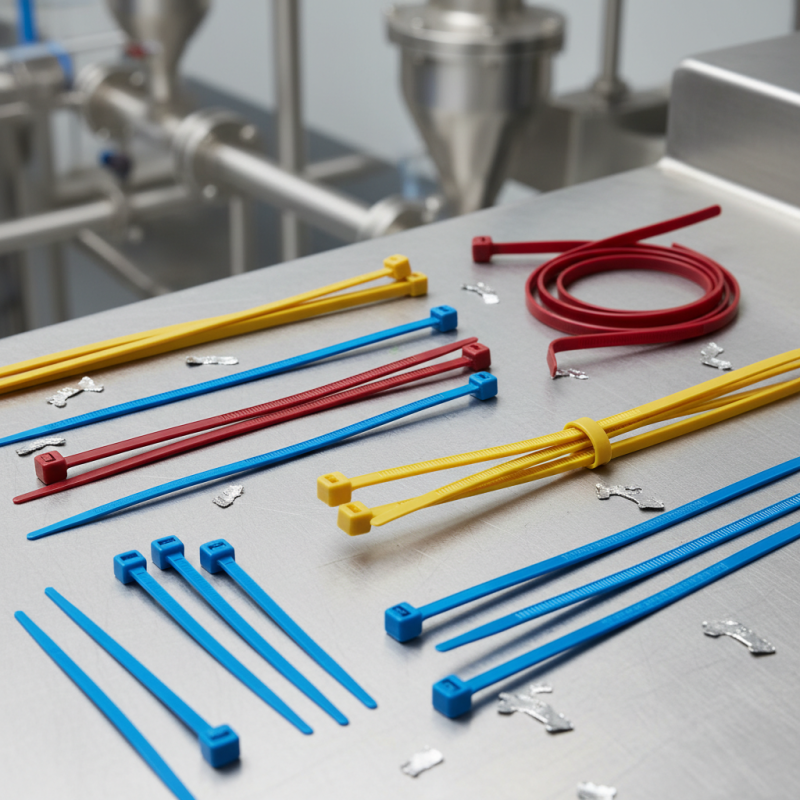
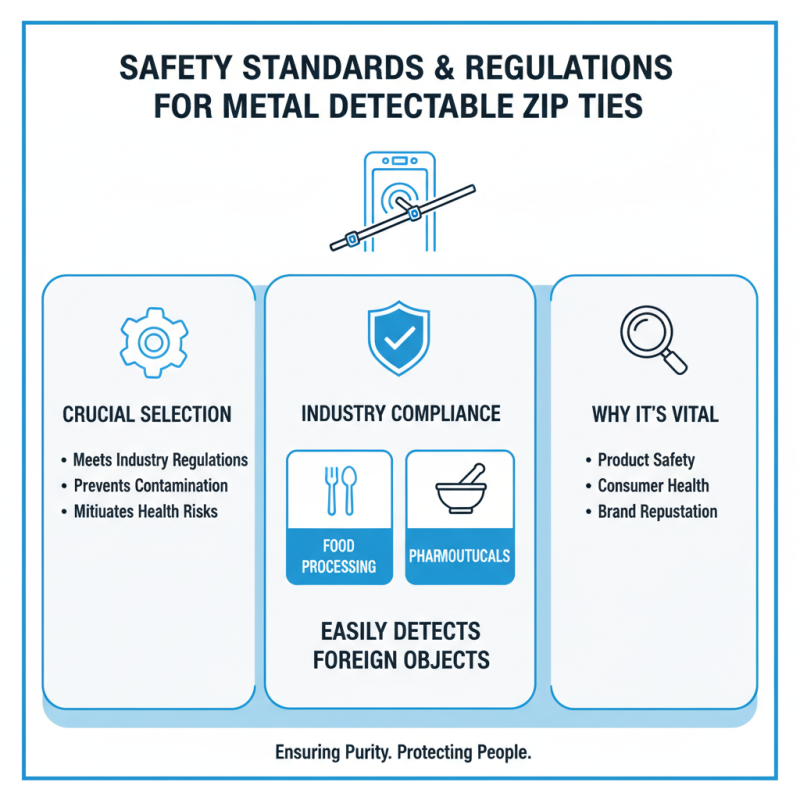
Choosing the right metal detectable zip ties can be challenging. These zip ties are essential in various industries, especially food and pharmaceuticals. They help prevent contamination by being easily spotted if lost.
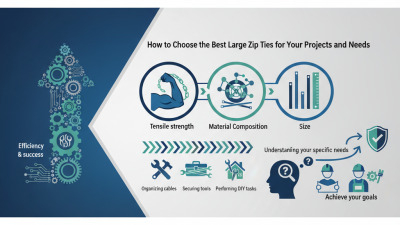
When selecting metal detectable zip ties, consider key factors. Material quality is crucial; it should withstand different environments. A reliable manufacturer ensures safety and durability. Pay attention to size and tensile strength too. Not every application needs the same specifications.
Some may overlook color options or flexibility. A noticeable color aids in detection, while flexibility can enhance usage. A mismatch here could lead to potential issues. Take time to evaluate your specific needs, ensuring you pick the right zip ties for your application. Investing in quality metal detectable zip ties is vital for operational safety.
Understanding Metal Detectable Zip Ties and Their Applications
Metal detectable zip ties have become essential in various industries, particularly food and pharmaceuticals. These specialized ties can help prevent contamination risks. In a report by the Global Food Safety Initiative, it was found that nearly 50% of food recalls are due to foreign objects. Using detectable zip ties can reduce such incidents significantly.
These zip ties contain metal particles, allowing them to be noticed by metal detection equipment. They can sustain high temperatures and harsh environments. According to a study from the Food Processing Institute, 70% of manufacturers reported improved safety compliance after switching to metal detectable options. However, it's crucial to assess your specific requirements before choosing them.
While metal detectable zip ties are effective, their effectiveness can vary. Quality and detection sensitivity depend on multiple factors. The composition of the ties and the metal detection systems used can impact performance. Not every zip tie on the market meets the same standards. Understanding these nuances can lead to better decision-making.
Key Features to Consider When Selecting Metal Detectable Zip Ties
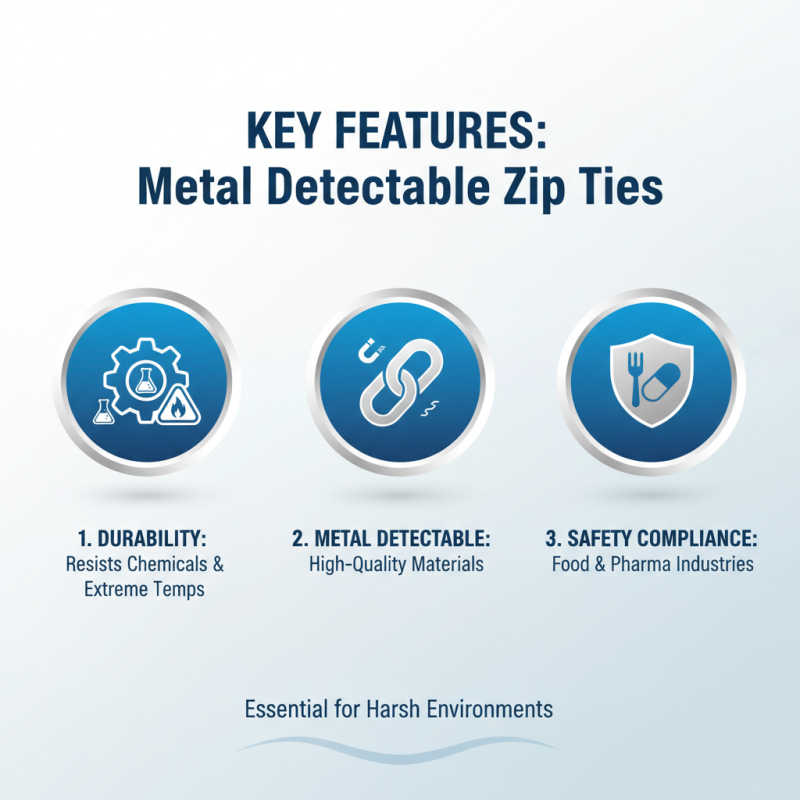
When selecting metal detectable zip ties, consider the key features essential for your specific needs. Look for durability. High-quality materials ensure that these ties withstand harsh environments. They should resist chemical exposure and extreme temperatures. This durability promotes safety, especially in industries like food processing or pharmaceuticals.
Tips: Evaluate the tensile strength. A tie that can handle the stress is crucial. Test different sizes and widths for your applications. The length of a zip tie can affect its usability. Ensure that it fits well, especially in tight spaces.
Next, focus on detectability. The metal additives should be easily detectable by standard scanning equipment. This feature enhances safety in environments where contamination must be minimized.
Tips: Consult experts in your field. Their insights can guide you in choosing the right features. Consider trial packs to assess functionality. Sometimes, what looks perfect on paper may not perform as expected. Testing under realistic conditions is vital.
Evaluating Material Options for Durability and Detection
When selecting metal detectable zip ties, the material choice greatly impacts durability. Common materials include nylon and polypropylene. Nylon is strong and flexible, making it ideal for tough environments. On the other hand, polypropylene is lighter and often cost-effective. However, it may not withstand high temperatures as well as nylon does.
Image Placeholder
Tips: Consider the temperature range of your application. Make sure the material can handle your specific conditions. Look out for any limitations in both materials.
Detection capabilities are also essential. Metal detectable zip ties usually contain specific additives that make them visible in metal detection systems. Ensure the added metal content is sufficient for your detection needs. Some products might have varying levels of metal content, which could affect effectiveness.
Tips: Test different brands to see which works best in your operations. Pay attention to how easy they are to use. Small differences can lead to frustration during use.
Best Practices for Using Metal Detectable Zip Ties in Your Industry
Using metal detectable zip ties in your industry requires careful consideration. These ties are essential for maintaining safety and compliance. Many industries, including food processing and manufacturing, benefit from them. The ability to detect these ties through metal detectors can prevent contamination. This is particularly important in environments where even a small piece of plastic could cause major issues.
When utilizing metal detectable zip ties, proper placement and usage matter. Ensure they are used in areas where they can easily be spotted by detection equipment. It is crucial to train staff on correct usage. Misplacing a zip tie could lead to costly mistakes. Regular audits can help identify any instances where ties may have been overlooked.
Consider the environmental factors as well. Humidity and temperature can affect zip ties’ performance. Pay attention to the manufacturing processes surrounding their use. Not all zip ties are created equal; some may degrade faster than others. Reflect on past experiences and adjust your practices accordingly. This proactive approach ensures that metal detectable zip ties serve their intended purpose effectively.
Usage of Metal Detectable Zip Ties in Various Industries