How to Choose the Right Nylon Cable Tie for Your Needs?
Choosing the right nylon cable tie is crucial for various applications. John Smith, a leading expert in industrial packaging and fastening solutions, emphasizes, "The right tie can make all the difference." With numerous options available, it's essential to understand what to look for.
Nylon cable ties come in various sizes, strengths, and designs. Each type serves specific functions. For simple tasks, a standard cable tie might suffice. However, complex projects may require more robust options. Selecting the wrong type can lead to project failures. It's important to assess the environment where these ties will be used.
Consider factors such as temperature and exposure to chemicals. Some nylon cable ties are suitable for harsh conditions, while others may not withstand certain environments. A well-informed choice can save time and money. Yet, many overlook these details, leading to regrets later. Think critically before making your selection.
Understanding the Different Types of Nylon Cable Ties Available
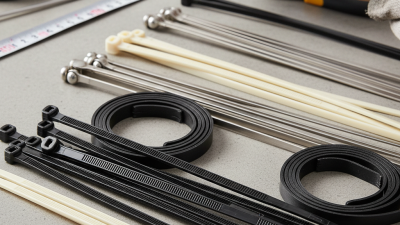
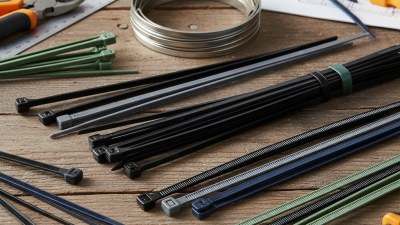
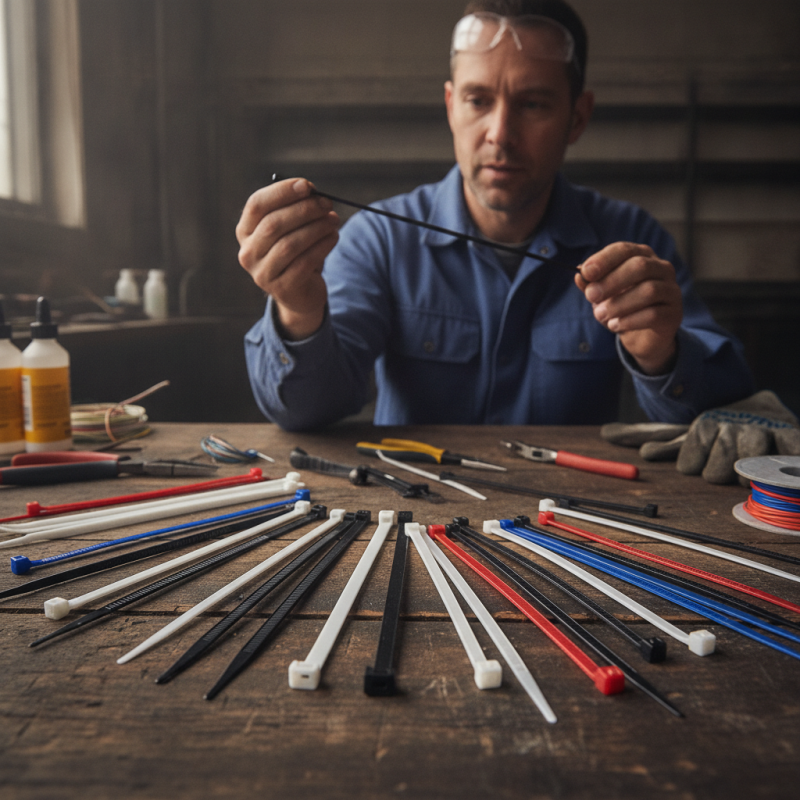
Nylon cable ties come in various types, each suited for different applications. Understanding these types helps in selecting the right option for your project. For instance, standard nylon cable ties are great for basic bundling tasks. They work well in indoor environments but may not withstand extreme conditions.
Next, consider heavy-duty nylon cable ties. These are designed for tougher applications, providing higher tensile strengths. They are ideal for outdoor use or in industrial settings. Look for UV-resistant options if exposed to sunlight. Also, remember the sizes vary. Using the correct length and width is crucial for ensuring secure bindings.
There are also specialty ties available, such as self-locking and adjustable types. Self-locking ties provide a strong hold and are easy to use. Adjustable ties allow for modifications after installation. Reflecting on your needs is essential. Sometimes, a simple solution may not cut it. Choosing the right cable tie can prevent future issues like cable wear or accidental disconnections.
How to Choose the Right Nylon Cable Tie for Your Needs?
| Type |
Material |
Temperature Range (°C) |
Width (mm) |
Length (mm) |
Max Load (kg) |
| Standard Nylon Tie |
Nylon 6/6 |
-40 to 85 |
2.5 |
200 |
18 |
| UV Resistant Tie |
Nylon 6/6 with UV Stabilizer |
-40 to 85 |
3.6 |
300 |
22 |
| Self-Locking Tie |
Nylon 6/6 |
-40 to 85 |
4.8 |
350 |
27 |
| Heavy Duty Tie |
Nylon 6/6 |
-40 to 90 |
7.6 |
450 |
36 |
| Temperature Resistant Tie |
Heat Stabilized Nylon |
-40 to 120 |
4.8 |
300 |
25 |
Factors to Consider When Selecting Nylon Cable Ties for Specific Applications
When selecting nylon cable ties, consider the specific application. Identify the weight and bulk of items being secured. If you need to bundle cables, choose ties with appropriate tensile strength. For outdoor use, UV resistance is crucial. High temperatures can also affect durability. Selecting the right material helps ensure longevity.
Size is another important factor. Measure the diameter of the objects being tied. Too long or too short may lead to ineffective securing. Acknowledge that different projects may require varying sizes.
Certain environments may affect the cable tie's performance. Consider exposure to chemicals or moisture. In damp conditions, a nylon tie might weaken. An evaluation of the environment ensures better decision-making. Reflecting on past experiences can guide your choices, improving future selections.
Evaluating the Strength and Size Requirements of Nylon Cable Ties
When selecting a nylon cable tie, strength and size are crucial. The tensile strength indicates how much weight a tie can bear. If the tie is too weak, it may snap under pressure. Look for ties rated for the specific load you need. For instance, a 50-pound tie is suitable for light-use applications. On the other hand, heavy-duty tasks require ties rated for higher weights.
Size matters as well. The length of the cable tie should accommodate your application. A short tie may not secure bulky items properly. Conversely, an excessively long tie can lead to tangling. Measure the bundles you intend to secure. Choose ties that provide a snug fit without excess slack.
**Tips**: Test a sample tie before full use. This gives you insight into its strength and durability. Check the width too; wider ties distribute pressure better and reduce the chance of breaking. Always remember that the environment matters. High temperatures may weaken nylon. In harsh conditions, consider the operational environment when selecting your ties.
Assessing Environmental Conditions That Affect Nylon Cable Tie Performance
When selecting nylon cable ties, various environmental factors can impact their effectiveness.
Temperature is a key consideration.
Extreme heat may cause nylon ties to weaken, while cold weather can make them brittle.
Understanding the expected temperature range for your application is essential. Proper selection helps ensure long-lasting performance.
Moisture levels also matter. High humidity or exposure to water can degrade nylon ties over time.
Choose ties that are resistant to such conditions if they will be used in wet environments. Additionally, consider exposure to UV light.
Prolonged exposure can lead to degradation, resulting in a loss of strength. If UV exposure is inevitable, look for UV-stabilized options.
Chemical exposure presents another concern. Many chemicals can compromise the integrity of nylon.
Various substances like oils and solvents can interact negatively with nylon.
Testing the environment beforehand can provide valuable insights. Being aware of all these factors ensures you choose the right nylon cable tie for your specific needs.
Comparing Cost-Effectiveness of Various Nylon Cable Tie Options
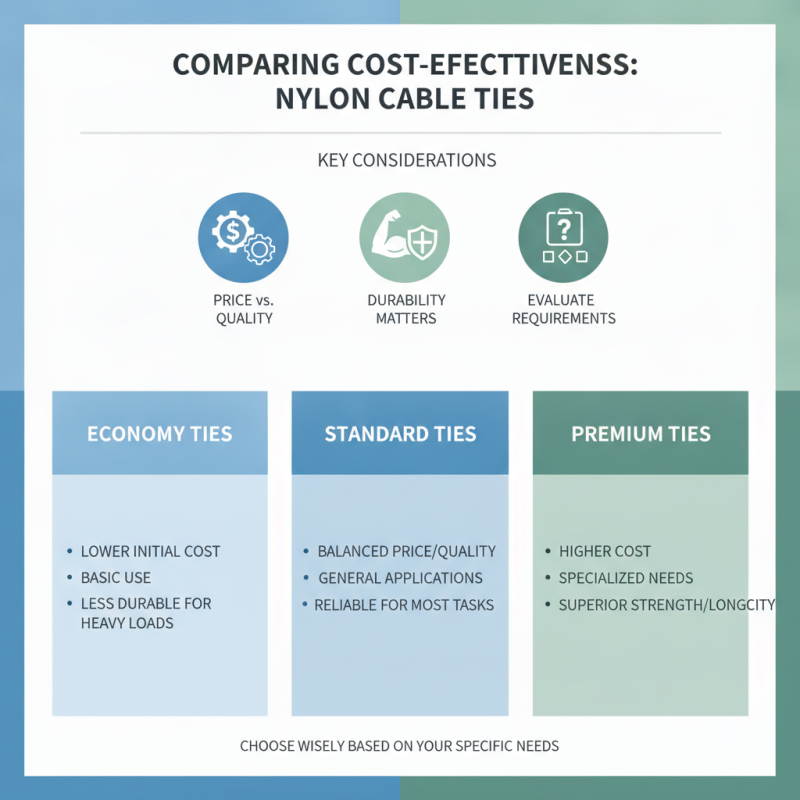
Choosing the right nylon cable tie involves careful consideration of cost-effectiveness. There are many options available, each serving diverse needs. Quality often correlates with price, but cheaper alternatives may lack durability. Evaluating your specific requirements can help you make a better decision.
When comparing nylon cable ties, assess the tensile strength. This factor determines how securely a tie can hold an item. For heavy-duty tasks, investing in high-strength ties may save money in the long run. Cheaper ties could fail when under pressure, leading to potential losses.
Tips: Always consider the environment where the ties will be used. Outdoor conditions can affect performance. Choosing UV-resistant ties may prevent premature wear. Also, think about the size and length needed. Options vary widely, and sizing correctly can optimize your budget. Buying in bulk can also enhance savings, but be cautious of quality. Remember, not all cheaper options are effective. Reflect on previous purchases to guide your choice.