How to Choose the Best Black Zip Ties for Your Needs?
Choosing the right black zip ties for various applications can be crucial. According to industry data, the global cable tie market is projected to reach $3 billion by 2025. Black zip ties are particularly popular in construction, automotive, and home projects. Their durability and versatility make them essential tools.
When selecting black zip ties, consider the material, length, and tensile strength. For instance, nylon is common due to its flexibility and strength. Many users overlook the importance of UV resistance for outdoor applications. A simple choice can impact the longevity of your project.
However, not all black zip ties are created equal. Some low-quality options may break under pressure. This inconsistency can lead to frustration and extra costs. Therefore, it’s important to research and invest in reliable brands. Understanding your specific needs is key to making the best choice.
Understanding the Different Materials Used in Black Zip Ties
When selecting black zip ties, understanding the materials is crucial. The most common types include nylon, stainless steel, and polyethylene. Nylon zip ties, often reinforced for extra strength, are popular in various industries. They can withstand temperatures ranging from -40°F to 185°F. However, they may degrade under UV exposure, which limits their outdoor use.
Stainless steel zip ties offer robust durability and resistance to corrosion. They can last in harsh environments, making them ideal for outdoor applications. According to a report from the Zip Tie Association, stainless steel ties outlast other materials by 50% in extreme weather. However, their higher cost may deter some users.
Polyethylene ties are lightweight and best suited for temporary applications. They are less expensive, but their strength is variable. While they may be convenient, they are not ideal for heavy-duty tasks. Users should weigh these options based on their specific needs. Balance between cost and reliability is essential. Many professionals recommend a mixed-use strategy with different materials for various tasks. Understanding these properties can greatly enhance effectiveness.
Evaluating the Strength and Durability of Black Zip Ties
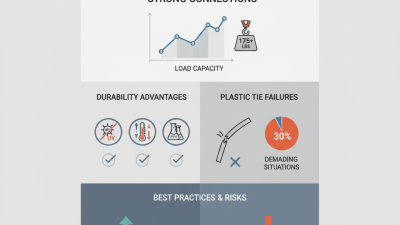
When evaluating black zip ties, strength and durability are paramount. According to industry reports, tensile strength is a critical measure. Most high-quality zip ties can handle loads ranging from 18 to 250 pounds. However, the specific strength depends on the material and thickness. For heavy-duty applications, opt for thicker, UV-resistant ties to ensure longevity, particularly in outdoor settings.
Tips: Always check the manufacturer's specifications for tensile strength. This ensures you choose a tie that can securely hold your items without risk of breakage.
Durability combines resistance to temperature extremes and exposure to chemicals. Black zip ties often contain additives that protect against UV rays and harsh environments. A report by the American Society for Testing and Materials (ASTM) states that high-quality ties should maintain integrity from -40°F to 185°F. This range is crucial for projects needing reliable performance in fluctuating conditions.
Tips: Look for zip ties specifically marketed as weather-resistant. Such ties are generally more robust over time and across various environments, offering better peace of mind for your projects.
How to Choose the Best Black Zip Ties for Your Needs? - Evaluating the Strength and Durability of Black Zip Ties
| Category |
Material |
Strength (lbs) |
Temperature Resistance (°F) |
Length (inches) |
UV Resistance |
| Standard |
Nylon |
50 |
185 |
8 |
No |
| Heavy Duty |
Polyethylene |
120 |
200 |
14 |
Yes |
| Light Duty |
Nylon |
30 |
185 |
7 |
No |
| Extra Heavy Duty |
Industrial-Grade Nylon |
175 |
250 |
18 |
Yes |
| Specialty |
Heat-Resistant Nylon |
100 |
300 |
12 |
Yes |
Considering the Size and Length Options for Your Specific Needs
Choosing the right size and length of black zip ties is crucial for various applications. Black zip ties, or cable ties, come in various sizes, ranging from 4 inches to 48 inches. The size you need depends on the items you're securing. For small tasks, like organizing cables, 8-12 inch ties may suffice. However, heavy-duty applications might require longer options.
Tips: Measure the diameter of the bundle you'll be securing. This ensures you select a tie that fits properly. For instance, if you're bundling cords with a diameter of 3 inches, a 14-inch zip tie would be ideal.
Length can also influence strength. According to industry reports, larger zip ties can hold more weight. A standard 18-inch zip tie can support up to 50 pounds, depending on the material quality. When choosing, assess both size and length to avoid underestimating your needs.
It's essential to keep in mind that the thickness of the zip tie matters too. Thicker ties are generally stronger. However, using a zip tie that's too large might create unnecessary bulk. Experiment with different sizes, especially when working on projects where aesthetics are a concern.
Best Black Zip Ties Size and Length Options
Assessing UV Resistance and Weather Conditions for Outdoor Use
When selecting black zip ties for outdoor use, UV resistance is a key factor. UV rays can degrade materials, causing brittleness and eventual breakage. Studies show that plastic zip ties exposed to sunlight can lose strength in just a few months. According to a report by the Plastics Industry Association, ties rated for UV resistance can last 5-10 times longer than standard options in harsh conditions.
Weather conditions also play a significant role in durability. Extreme temperatures can cause zip ties to expand or contract, affecting their effectiveness. A survey conducted by the Outdoor Sales Institute found that products designed for outdoor environments maintain integrity better in ranges from -20°C to 80°C. If you are in an area with temperature fluctuations, opt for ties engineered to withstand such variations.
Not all black zip ties are created equal. Some may not specify UV resistance, which can lead to premature failure. It's essential to review technical datasheets and compare options. In some cases, buyers report that the cheapest options fail quickly, often leading to frustration and wasted time. Therefore, understanding the factors influencing longevity provides insights for making the right choice.
Comparing Costs and Quality for Budget-Friendly Choices
When selecting black zip ties, cost and quality often come to mind. A recent report by the Industry Wire reveals that nearly 70% of buyers prioritize functionality while staying within budget. Inexpensive options might seem appealing, but they can sometimes compromise on strength and durability. A zip tie that breaks under pressure can lead to significant project setbacks.
Quality black zip ties often have a tensile strength rating, which indicates their load-bearing capacity. According to a survey from Tech Reviews, products boasting a tensile strength of 50 pounds or more are commonly recommended for most tasks. However, these can cost significantly more than lower-quality alternatives. It's crucial to weigh the upfront cost against potential future expenses from failures.
Not all products are created equal. Choosing ties based solely on price can be tempting but might not yield the best results. While affordable options may suit minor tasks, critical applications require robust ties. Every project has unique demands and it's vital to align your choice with them, ensuring you don’t sacrifice reliability for savings.