How to Choose the Best Tie Wraps for Your Packaging Needs?

Choosing the right tie wraps for packaging is essential. With many options available, it can be overwhelming. Different materials, sizes, and strengths exist. Understanding your needs is critical for making an informed choice.

Tie wraps are useful for securing packages closely and neatly. They can support various applications, from light-duty tasks to heavy loads. Selecting the best tie wraps improves reliability and efficiency. Consider the type of products you are packaging. For instance, delicate items may require softer wraps, while heavy products need stronger options.

Taking the time to analyze your requirements can lead to better outcomes. Evaluate your packaging process and identify potential challenges. Reflect on previous experiences with tie wraps. Did they perform well? Or were there issues? Making the right decision ensures your products remain secure during transit.
How to Choose the Best Tie Wraps for Your Packaging Needs?

Understanding Tie Wraps: Types and Materials
How to Choose the Best Tie Wraps for Your Packaging Needs?

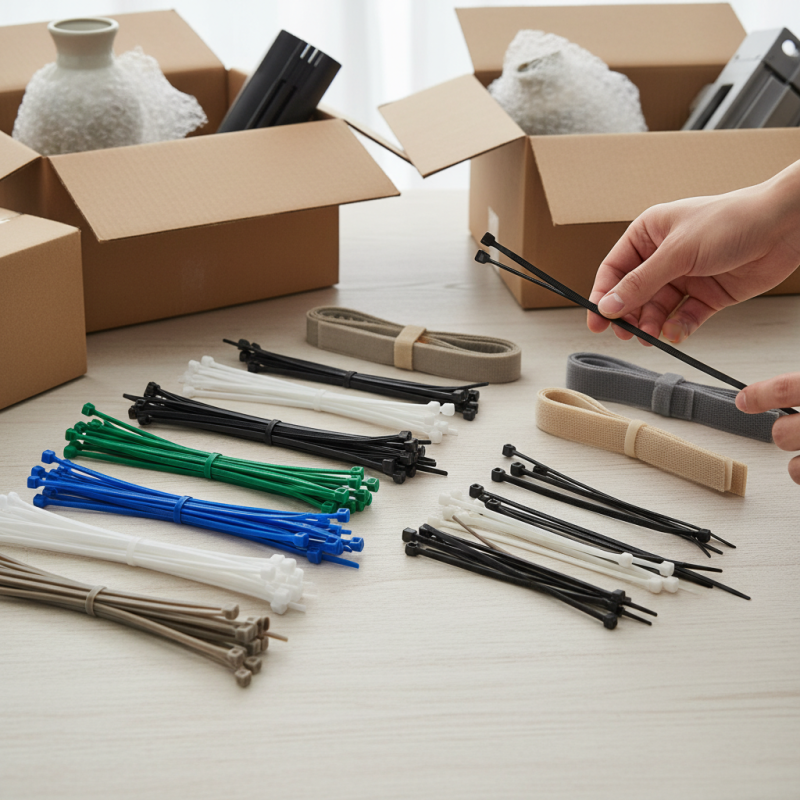
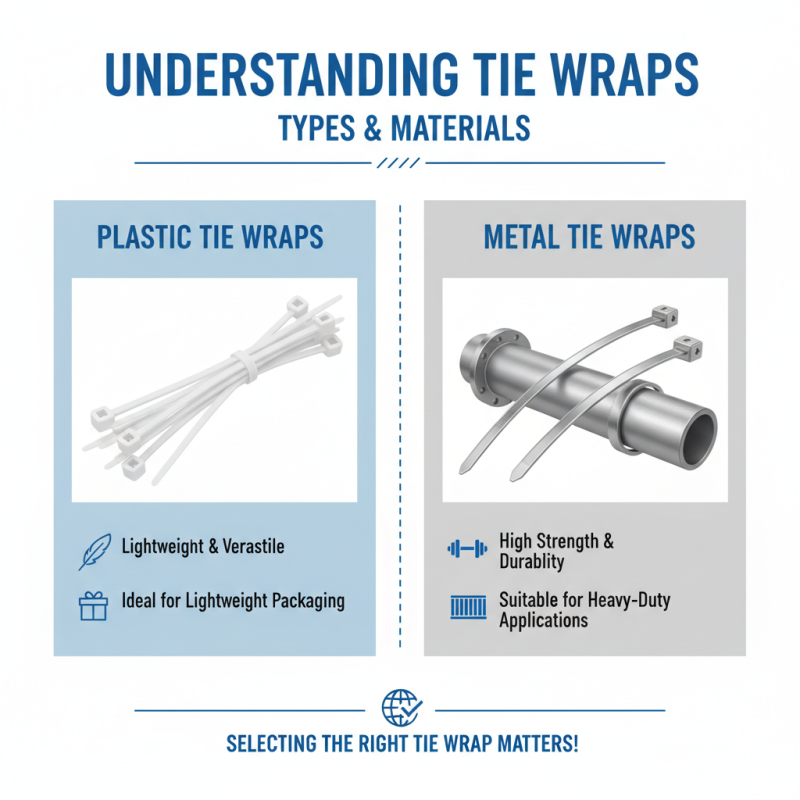
When selecting tie wraps for packaging, understanding their types and materials is crucial. Tie wraps, also known as cable ties or zip ties, come in various forms. The two main categories are plastic and metal tie wraps. Each type serves specific purposes. Plastic tie wraps are lightweight and versatile, making them ideal for lightweight packages. In contrast, metal tie wraps offer higher strength and durability, suitable for heavy-duty applications.

The material used in tie wraps greatly impacts their performance. For instance, nylon is the most common material for plastic tie wraps. According to industry reports, nylon tie wraps can withstand temperatures ranging from -40°F to 185°F. This broad temperature range makes them suitable for various environments. On the other hand, metal tie wraps, typically made of stainless steel, excel in high-stress situations. They provide exceptional resistance to corrosion and are effective in extreme temperatures.

Choosing the right tie wrap requires consideration of the packaging environment. Factors such as exposure to chemicals, sunlight, and outdoor conditions should not be overlooked. It's worth noting that while nylon ties are sufficient for many applications, their UV sensitivity can lead to premature failure outdoors. Therefore, selecting the appropriate material with a clear understanding of your needs can drastically impact the integrity of your packaging.

Assessing the Load Capacity and Strength Requirements

When choosing tie wraps for packaging, understanding load capacity and strength is crucial. These factors determine how well your packages will hold up during transport and storage. Selecting the right tie wraps ensures your products remain secure, preventing damage and loss.

Assessing load capacity begins with knowing the weight of your packaged items. If your products are lightweight, standard tie wraps may suffice. However, heavier items require stronger options. It’s essential to check the manufacturer's specifications on tensile strength. This information helps ensure your chosen tie wraps will meet your operational needs.

Consider environmental factors too. Conditions like humidity or temperature variations can affect a tie wrap’s strength. For example, certain materials may weaken when exposed to moisture. Testing tie wraps in your specific conditions is prudent. This step might reveal potential weaknesses in your initial choices. Ultimately, selecting the correct tie wraps takes time and consideration. Adjustments based on real-world usage can lead to improved results.

Evaluating Environmental Considerations for Tie Wraps

When evaluating tie wraps for packaging, environmental considerations are crucial. Many tie wraps are made from plastic, which poses significant disposal challenges. Single-use plastics contribute to landfill waste and ocean pollution. Choosing biodegradable or compostable options can mitigate this impact. These alternatives often break down over time, reducing long-term harm to ecosystems.

Moreover, it's essential to consider the sourcing of materials. Many manufacturers are shifting towards recycled materials. These choices can not only lessen the carbon footprint but also demonstrate a commitment to sustainability. However, not all recycled products are created equal. Be sure to analyze certifications and speak to suppliers about their practices.

Last, think about the lifespan of the tie wraps. Some applications require long-lasting solutions, while others only need short-term use. Weighing the benefits versus environmental implications can feel complex. It’s important to assess not only the functionality but also the environmental footprint of your choices. Balancing these factors can lead to more sustainable packaging solutions.

Selecting the Right Size and Length for Your Packaging Needs

When selecting the right size and length of tie wraps for packaging needs, understanding specific requirements is crucial. A recent industry report indicates that choosing the appropriate tie wrap size can improve packaging efficiency by 30%. This impacts labor time and material costs significantly.

Length is another critical factor. For example, a tie wrap that is too short may lead to product damage during transit. Conversely, ties that are excessively long could increase material waste. Many experts suggest keeping the length within 10% of the bundle size to maintain an effective seal while minimizing waste. Ideally, you want a snug fit without excess dangling, which can be cumbersome.

Data also reveals that 68% of companies faced packaging failures due to misjudging size. This often results in product returns and customer dissatisfaction. It’s not merely about finding a tie that fits but also about ensuring it can withstand varying conditions, such as temperature changes or humidity. Constant experimentation and adjustments are vital to refining your selection.

Comparing Cost-Effectiveness and Vendor Reliability

When choosing tie wraps for packaging, cost-effectiveness is crucial. A low upfront price may be tempting, but it often masks hidden costs. Poor-quality tie wraps can lead to product damage or loss. Evaluate durability and strength before deciding. Stronger wraps might cost more, yet they can provide better protection and save money in the long run.

Vendor reliability is another key aspect. A reliable vendor ensures consistent quality and timely delivery. Look for companies with good reviews and a solid reputation. Ask for references. Engage in discussions about their sourcing and manufacturing processes. Understanding their reliability can prevent future headaches.

Balancing cost and reliability is challenging. Some vendors might offer great prices but lack quality, leading to unreliable packaging. Others may be more expensive but deliver superior products. Reflect on your specific needs. Sometimes, investing a little more upfront leads to significant savings later. Making the right choice requires careful consideration of both factors for a successful packaging strategy.

Cost-Effectiveness and Vendor Reliability of Tie Wraps