How to Choose the Best Zip Tie Tool for Your DIY Projects
When embarking on a DIY project, having the right tools can make all the difference in achieving a polished and professional result. One essential tool that often gets overlooked is the zip tie tool. This handy device is designed to simplify the secure fastening of zip ties, making it an invaluable addition to any DIY enthusiast’s toolkit. Whether you are organizing cables, securing outdoor decorations, or building intricate models, understanding how to choose the best zip tie tool can significantly enhance your efficiency and effectiveness.
Zip tie tools come in various types and designs, each tailored to specific tasks and user preferences. It is crucial to consider factors such as the size of zip ties you’ll be using, the intended application, and the ease of use when selecting a tool. A quality zip tie tool will not only allow you to tighten and cut zip ties with precision but also ensure that your hands remain safe and uninjured during the process. With this guide, we will explore the key features to look for in a zip tie tool and provide tips on selecting the right one to maximize your DIY project outcomes.
Understanding the Different Types of Zip Tie Tools Available
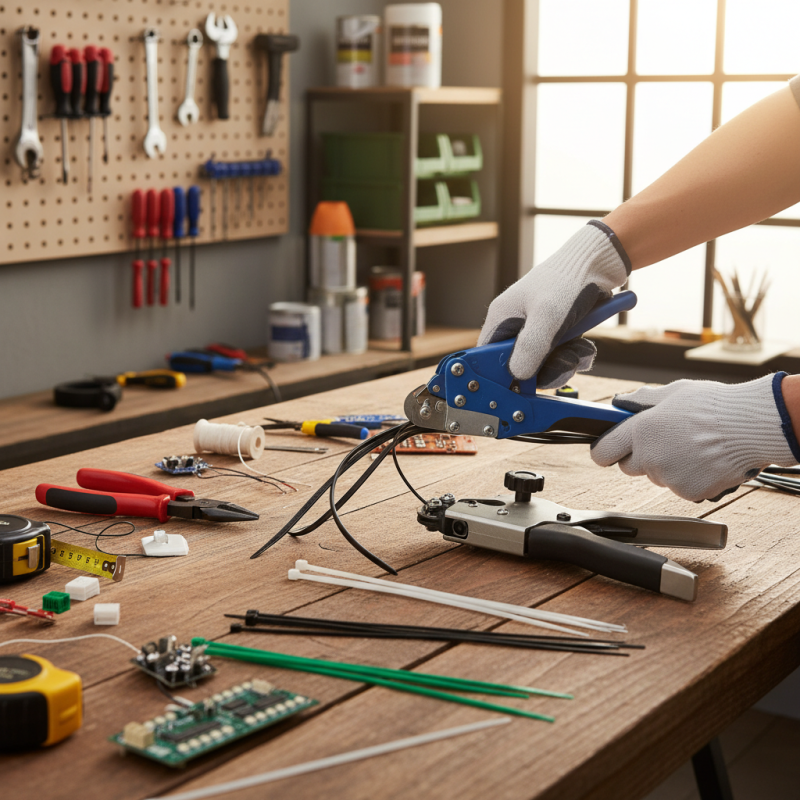
When embarking on DIY projects, having the right zip tie tool can make a significant difference in efficiency and effectiveness. There are several types of zip tie tools available in the market, each designed for various applications and user preferences. Understanding these options will help you choose the best tool for your specific needs. For instance, manual zip tie tools are the simplest form, involving a straightforward process where the user pulls the zip tie tightly by hand. While they are economical, their performance may not be sufficient for high-volume or industrial applications.
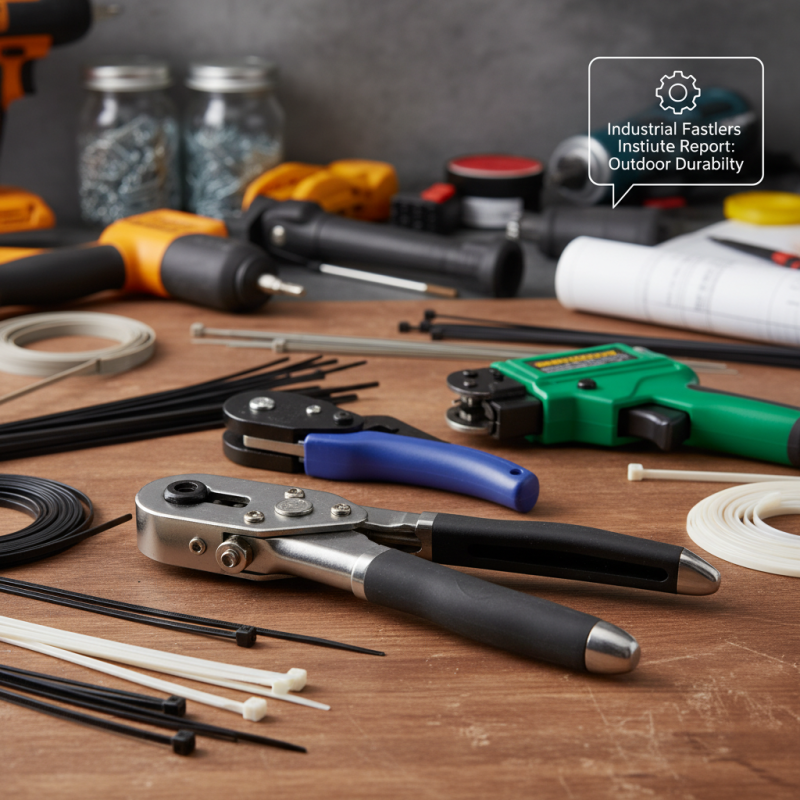
On the other hand, pneumatic or electric zip tie tools offer a more advanced alternative. These tools are powered by air or electricity, allowing for consistent tensioning and cutting of zip ties with minimal effort. According to a report from the Industrial Fasteners Institute, using powered tools can increase productivity by up to 30% in commercial settings. Additionally, they tend to produce more uniform results, which can be crucial in professional installations where appearance and reliability are paramount.
Lastly, specialized zip tie tools exist for specific tasks, such as cable management or bundling large items. Some of these tools come equipped with features like adjustable tension settings, which can cater to different materials and sizes of zip ties. A recent survey conducted by the International Association of Electrical Inspectors revealed that nearly 70% of professionals prefer specialized tools for their precision and ease of use in complex installations. By considering the variety of options available, you can select the zip tie tool that best suits your DIY project requirements, ensuring your work is both efficient and high-quality.
Factors to Consider When Selecting a Zip Tie Tool for DIY
When selecting a zip tie tool for your DIY projects, several factors come into play to ensure you make the right choice. First and foremost, consider the type of materials your projects require. Different zip tie tools are designed to work with varying materials, such as nylon, stainless steel, or UV-resistant options. According to a report by the Industrial Fasteners Institute, choosing the appropriate material can significantly impact the durability and reliability of your zip ties, especially in outdoor applications where exposure to the elements is a concern.
Another key factor is the tool’s ease of use and ergonomic design. If you're working on extensive or repetitive tasks, a tool that minimizes hand fatigue can enhance productivity. Research shows that tools designed with user comfort in mind can reduce the risk of injuries and improve efficiency. Look for features like adjustable tension control, which allows you to customize how tightly the zip ties are secured, thus increasing the versatility of the tool for different applications.
**Tips**: Always test the zip tie tension settings before starting your project to avoid over-tightening, which can lead to breakage or damage to the objects being secured. Additionally, think about storage and portability; a compact zip tie tool that can fit in your toolbox or belt can save valuable space while keeping your workspace organized.
Assessing the Size and Strength Requirements for Your Projects
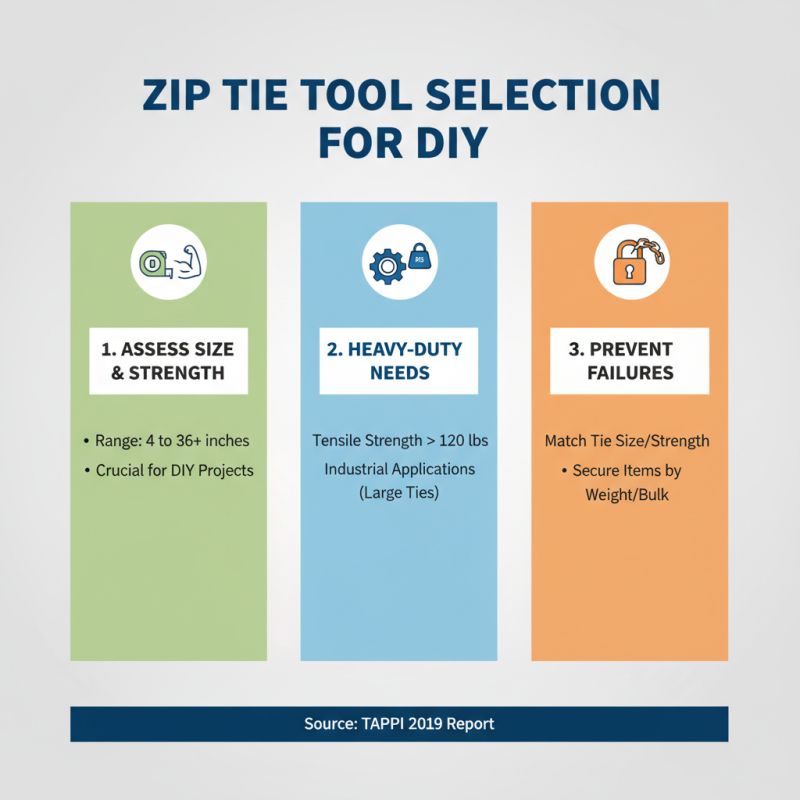
When selecting the best zip tie tool for your DIY projects, it is crucial to assess the size and strength requirements that your specific applications entail. Zip ties come in a range of sizes, typically ranging from 4 inches to over 36 inches in length. A 2019 report by the Technical Association of the Pulp and Paper Industry indicated that larger ties are vital for heavy-duty applications, where tensile strength exceeds 120 pounds, making them suitable for industrial settings. Understanding the weight and bulk of the items you need to secure can help you choose the correct size and strength of zip ties to prevent any unexpected failures during use.
Additionally, the tensile strength of the zip ties is paramount, especially in projects requiring secure and lasting bonds, as indicated by a research study conducted by the Institute of Electrical and Electronics Engineers (IEEE). Their findings reveal that improper selection based on strength can lead to an 85% increase in failure rates under stress, especially in outdoor environments where UV exposure can degrade materials. Therefore, using a zip tie tool that allows for easy tension adjustments can make a significant difference in achieving the desired strength and durability. Evaluate the environmental factors and dynamic loads your projects will face, ensuring your selected tool will provide the necessary strength without compromise.
Evaluating User-Friendly Features in Zip Tie Tools
When selecting the best zip tie tool for your DIY projects, it's vital to focus on user-friendly features that enhance your experience and efficiency. An ideal zip tie tool should have an ergonomic design that allows for comfortable grip and prolonged use without undue strain on your hands. Look for tools that come with adjustable tension settings—this feature allows you to customize the tightness of the zip ties according to the specific requirements of your project, ensuring a secure yet gentle grip.
Tips: Always consider the weight and portability of the tool, especially if you plan to work on various job sites. A lightweight and compact tool can significantly reduce fatigue and make it easier to handle your tasks on the go. Additionally, tools equipped with integrated cutting mechanisms can save you time and prevent the hassle of needing extra tools to trim the excess tie, streamlining your workflow.
Another user-friendly feature to consider is the ease of loading and unloading zip ties. A tool that allows for straightforward insertion and retrieval can make a noticeable difference in the speed and efficiency of your work. Moreover, models featuring a built-in safety lock can provide a safeguard against accidental releases, making your DIY tasks safer and more manageable.
Budget Considerations: Finding Quality Tools within Your Price Range
When selecting a zip tie tool for your DIY projects, budget considerations play a crucial role in ensuring you find quality tools that don’t break the bank. It's important to determine your budget upfront, as this will help narrow down your options and prevent overspending. A well-defined budget allows you to focus on tools that provide the best value for your money, balancing both functionality and durability without sacrificing quality.
When exploring different tools within your price range, look for reviews and user feedback to gauge the performance and reliability of various models. A more economical tool may suffice for light projects, while heavier-duty tasks might require a slightly higher investment. Consider purchasing multipacks or sets that include various sizes or styles, often providing a more economical solution. Additionally, examine features that enhance ease of use, like ergonomic designs or adjustable tension settings, which can significantly improve your experience and the outcome of your projects, ensuring you invest wisely in tools that will serve you well over time.