How to Choose the Right Chiller Series for Your Needs?
Choosing the right Chiller Series for your needs can be complex. Each series offers unique features and specifications tailored for different applications. The options range from compact models for small spaces to large systems designed for industrial use. Understanding your requirements is crucial.
Consider the cooling capacity, energy efficiency, and noise levels. Some units may seem ideal at first glance but might not suit your specific environment. Evaluate your existing infrastructure to ensure compatibility with chosen models.
It’s easy to overlook certain details. Size, for example, can significantly impact installation costs. Reflect on your long-term needs, as well. A chiller that meets current requirements may not suffice in the future. Taking the time to explore all factors will lead you to a well-informed decision on the best Chiller Series for your needs.
Understanding the Types of Chillers: Air-Cooled vs. Water-Cooled Options
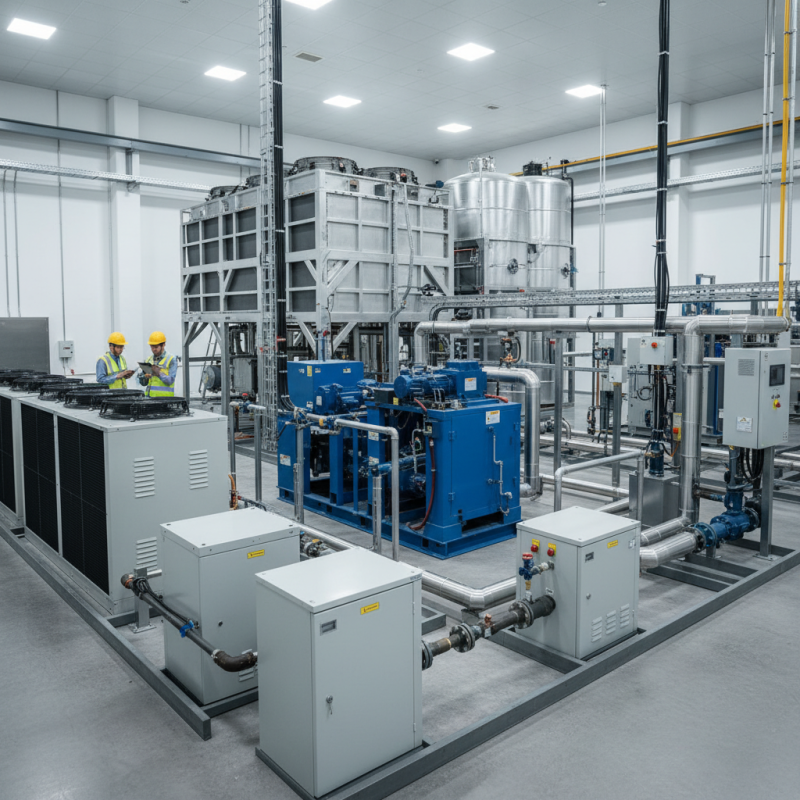
When considering chillers, the choice between air-cooled and water-cooled options is crucial. Air-cooled chillers use ambient air to dissipate heat. This makes them simpler and often less expensive to install. They are ideal for smaller applications or areas with limited space. However, they tend to be less efficient in high-temperature environments.
On the other hand, water-cooled chillers offer better performance in larger systems. They use water from cooling towers or other sources to absorb heat. This results in enhanced efficiency, especially in industrial settings. Water-cooled options can be complicated. They require additional plumbing and maintenance. Choosing between these two options depends on various factors, including the specific needs of your facility.
Both systems have pros and cons. Air-cooled models might save on initial costs, but long-term efficiency can be an issue. Water-cooled models can handle larger loads but may lead to higher maintenance requirements. Assessing your needs is essential. A carefully considered decision will yield the best outcome.
Evaluating Cooling Capacity: BTUs and Energy Efficiency Ratings Explained
When selecting a chiller, understanding cooling capacity is essential. Cooling capacity is often measured in BTUs (British Thermal Units). BTUs indicate how much heat a chiller can remove from the air. Higher BTUs mean more cooling power. However, matching the chiller's capacity to your specific needs is crucial. Oversized chillers can lead to inefficiency. They may cool too quickly and fail to dehumidify properly.
Energy efficiency ratings also play a significant role. They inform you about the chiller's performance. A higher energy efficiency ratio (EER) signifies lower operating costs. Evaluate your energy needs carefully. Sometimes, a less powerful but more efficient chiller is better. You save money in the long run.
Tips: Always check the manufacturer's specifications. Look for real-life user reviews, too. They can offer a glimpse into performance. Do not overlook the importance of regular maintenance. It can enhance efficiency and prolong the chiller's lifespan. Remember, a chiller is a long-term investment. Think critically about what you truly need before making a decision.
How to Choose the Right Chiller Series for Your Needs? - Evaluating Cooling Capacity: BTUs and Energy Efficiency Ratings Explained
| Chiller Model | Cooling Capacity (BTUs/hr) | Energy Efficiency Ratio (EER) | Annual Energy Use (kWh) | Noise Level (dB) |
| Model A | 60,000 | 12.5 | 7,200 | 75 |
| Model B | 75,000 | 11.0 | 8,500 | 80 |
| Model C | 50,000 | 13.0 | 6,000 | 70 |
| Model D | 85,000 | 10.0 | 9,600 | 85 |
Key Factors in System Design: Flow Rate, Temperature Control, and Space
When selecting a chiller series, consider flow rate as a critical factor. This measurement dictates how much coolant circulates through your system. A higher flow rate can help maintain optimal temperatures, especially in larger setups. However, too much flow can cause pressure drops. Striking a balance is essential. Assess your system's requirements carefully before making a decision.
Temperature control is equally important. Different applications demand varying temperature ranges. For instance, industrial processes may need precise, stable temperatures. If your system cannot provide this, it might lead to inefficiencies. Inadequate control can result in equipment damage or product spoilage. Evaluate the specific temperature needs before choosing a chiller.
Space constraints must also be taken into account. Some chillers can be bulky, occupying significant floor space. If you are limited, a compact model can save space but may compromise performance. Ensuring you have room for maintenance is also vital. Consider not just the initial placement but future accessibility. Each of these factors requires thoughtful consideration to avoid costly mistakes.
Maintenance Considerations: Importance of Reliability and Serviceability
When considering a chiller series, reliability and serviceability are crucial. A dependable chiller minimizes downtime and enhances productivity. Regular maintenance is essential. Neglecting it can lead to unexpected issues. Serviceability should be easy, allowing quick access for repairs. Complicated designs can frustrate technicians and prolong fixes.
Pay attention to the built-in diagnostic features. They can simplify troubleshooting. Look for models with user-friendly interfaces. These features can save valuable time during maintenance. However, be cautious. Not all advanced systems provide real benefits. Evaluate how they align with your specific needs. Overloaded features may become a hindrance.
Think about spare parts availability too. A chiller is a long-term investment. If parts are hard to find, it can lead to longer downtimes. Choose a chiller that offers good service support. This ensures timely repairs when issues arise. Balancing reliability and serviceability is key to maintaining operational efficiency.
Cost Analysis: Initial Investment vs. Long-term Operational Costs
Choosing the right chiller series involves a careful balance between initial investment and long-term operational costs. While some chillers may have a lower purchase price, their efficiency and lifespan can significantly impact overall expenses. According to industry reports, operational costs can account for up to 70% of the total lifecycle costs of chillers.
A chiller with a higher initial cost can offer better energy efficiency. For example, a chiller with a high energy efficiency ratio (EER) might save a facility up to 30% in energy costs over time. In contrast, cheaper models could lead to increased utility bills and frequent maintenance. This can hinder your long-term budget and resources.
Tips: Always consider the energy efficiency ratings before making a purchase. Analyze the total cost of ownership, not just the upfront price. Seek to understand the expected maintenance costs. The cheapest option may not always be the best investment.
Furthermore, keep an eye on market trends. The HVAC industry is evolving. Energy-efficient technologies are improving at a rapid pace. Regularly reviewing the latest advancements can guide your decisions. Reflect on past choices to prevent repeating mistakes. Sometimes, compromising on features can lead to regret down the line.