How to Choose the Right Zip Ties for Your Needs?
Choosing the right zip ties can seem overwhelming, given the variety available in the market. Bob Thompson, an industry expert with over 15 years of experience, once noted, "The right zip tie can make or break your project." This statement highlights the importance of making informed decisions when selecting zip ties for specific applications.
Consider your project needs carefully. Not all zip ties are created equal; they vary by length, material, and strength. For instance, heavy-duty zip ties can support more weight and withstand harsher environments, such as extreme temperatures or exposure to chemicals. On the other hand, light-duty options may suffice for simple tasks like securing loose cables or organizing home items.
It’s crucial to evaluate your needs and the intended use of the zip ties. Sometimes, users gravitate towards the cheapest option without considering durability. This can lead to frustration later when the ties break under pressure. Understanding the specifications and applications will empower you to make better choices, ensuring your projects succeed with the right zip ties.
Understanding Different Types of Zip Ties Available in the Market
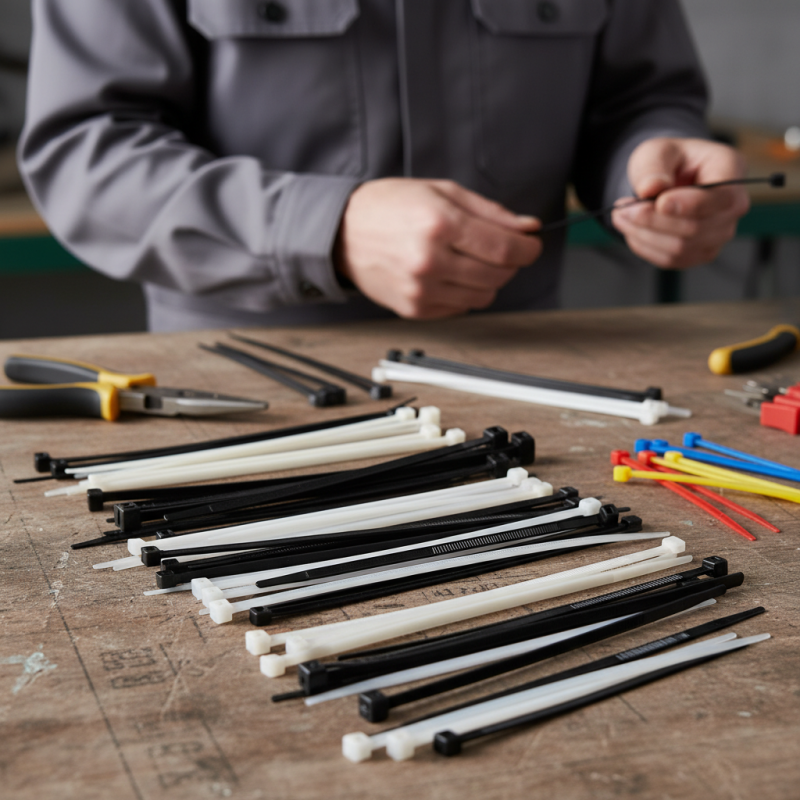
When choosing zip ties, it's essential to understand the different types available. Zip ties come in various materials, each suited for specific tasks.
Nylon zip ties are common for everyday use. They are durable and resistant to most chemicals. However, extreme temperatures can weaken them. A reflective option is useful for visibility in low-light scenarios.
Metal zip ties offer more strength, suitable for heavy-duty applications. They withstand high temperatures and are resistant to UV light. Nevertheless, they can be harder to cut and pose safety risks if not handled correctly. There are also special zip ties, like those with adjustable features, designed for temporary use. These can add flexibility to your projects but may lack the durability needed for long-term applications.
Understanding the breaking strength is crucial, too. Each zip tie has a load capacity. Exceeding it can lead to failures that compromise your project. Choosing the right size matters as well. A tie that is too long may be cumbersome, while one that is too short won’t secure effectively. Reflecting on these aspects can help you avoid mistakes and ensure your choice meets your specific needs.
Identifying the Key Factors for Selecting Zip Ties
When selecting zip ties, several key factors come into play. The first is the material. Common options include nylon and stainless steel. Nylon ties are versatile and suitable for most indoor applications. Stainless steel ties offer higher strength and durability, particularly for outdoor use in harsh environments.
Next, consider the size. Zip ties come in varying lengths and widths. A longer tie can handle larger bundles, while a narrower tie is ideal for smaller tasks. Always match the tie to the specific requirement. It’s common to misjudge your needs, leading to frustration.
Furthermore, temperature resistance is crucial. Different ties can withstand different temperature ranges. Some may become brittle in cold settings, while others can warp in heat. It’s worth testing a few options before making a final decision. These factors can significantly affect performance and reliability, directly impacting your projects. Careful consideration of these aspects will ensure you choose the right zip ties for your unique needs.
Choosing the Right Zip Ties: Key Factors
This bar chart illustrates the key factors to consider when choosing zip ties, along with their importance on a scale from 1 to 10. Material and strength rank the highest, showing their significance in selection.
Evaluating the Strength and Durability of Zip Ties
Choosing the right zip ties requires understanding their strength and durability. The strength of a zip tie is determined by its material and design. Nylon is the most common material. It offers good tensile strength and weather resistance. Different projects require different strengths. For light-duty use, standard zip ties usually suffice. However, heavy-duty projects need ties that can bear more weight.
Durability is another critical factor. UV resistance matters for outdoor use. Exposure to sunlight can degrade some materials over time. Consider the environment where the zip ties will be used. If they are exposed to moisture, opt for stainless steel reinforced ties. These provide better longevity in challenging conditions. Always check the manufacturer's specifications for details on strength ratings.
Sometimes, zip ties may fail unexpectedly. This can be due to improper sizing or overloading. If a tie breaks, it can lead to project delays. Reflecting on these failures can guide future choices. It's essential to assess the specific requirements of your task. Balancing strength and durability will lead to better outcomes. Use zip ties that enhance your project's reliability and performance.
Considering the Environmental Impact of Zip Tie Materials
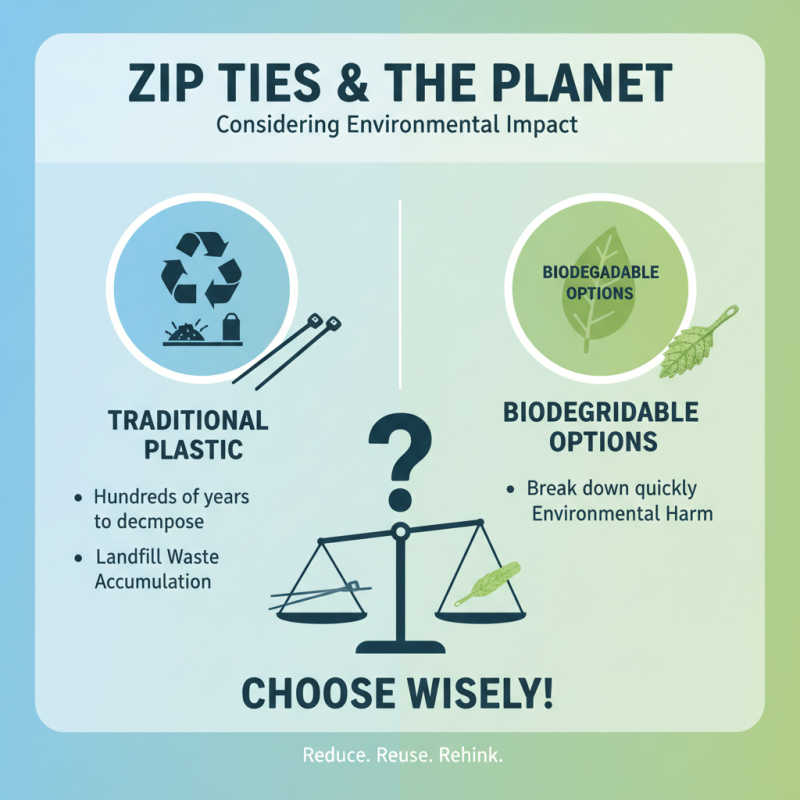
When choosing zip ties, considering their environmental impact is crucial. Many zip ties are made from plastic, which can take hundreds of years to decompose. This raises concerns about waste accumulation in landfills. Some manufacturers have begun producing biodegradable options. These ties break down more quickly and can reduce environmental harm.
However, biodegradable materials have limitations. They may not perform as well in harsh environments or extreme temperatures. Additionally, they often cost more than traditional options. Consumers need to weigh the benefits of biodegradability against their specific usage requirements.
Recycling is another avenue worth exploring. Some plastic tie types can be recycled, but not all facilities accept them. Ensuring proper disposal is key. Users must verify local recycling capabilities. There is no single answer. Each choice requires careful thought about both application and ecological footprint.
Exploring Specialized Zip Tie Applications for Specific Needs
When selecting zip ties, it's essential to consider their specific applications. Not all zip ties are created equal. Some are designed for heavy-duty use in industrial settings, while others are better for home or office organization. For instance, UV-resistant ties are crucial for outdoor applications. They prevent degradation from sunlight. This can be particularly important for landscaping projects or securing outdoor equipment.
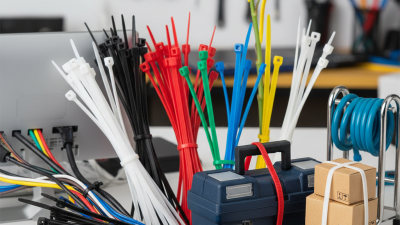
Specialized zip ties also come in different colors and sizes. Color-coding helps in organization and identification. Larger ties are ideal for bundling cables or pipes. They provide extra strength for larger loads. Conversely, smaller ties work best for delicate tasks, such as managing computer wires. Choosing the wrong size can lead to frustration. It's a reminder that even though zip ties seem simple, using the right one is vital.
Additionally, consider the environment where the ties will be used. Some materials resist heat, while others are waterproof. These factors influence performance significantly. It's worth noting that not all zip ties have the same lifespan. Some deteriorate faster than others. Taking the time to research your options can save you from repeated replacements.
How to Choose the Right Zip Ties for Your Needs? - Exploring Specialized Zip Tie Applications for Specific Needs
| Application Area |
Zip Tie Type |
Material |
Temperature Range |
Load Capacity (lbs) |
| Electrical Wiring |
Standard Zip Ties |
Nylon 66 |
-40°F to 185°F |
50 |
| Outdoor Use |
UV Resistant Zip Ties |
UV Stabilized Nylon |
-40°F to 200°F |
40 |
| Heavy Duty Tasks |
Heavy Duty Zip Ties |
High-Strength Nylon |
-40°F to 185°F |
120 |
| Automotive Applications |
Heat-Resistant Zip Ties |
Polyethylene |
-40°F to 250°F |
75 |
| Marine Environment |
Marine-Grade Zip Ties |
Nylon with Corrosion Resistance |
-40°F to 185°F |
60 |