10 Essential Tips for Using a Zip Tie Gun Effectively?
Using a zip tie gun can greatly enhance your ability to secure and organize various materials. This handy tool simplifies the task of tightening zip ties, making it faster and more efficient. However, many users overlook important techniques that can improve their experience. Understanding how to wield a zip tie gun correctly can prevent frustrating mistakes.
With practice, mastering the zip tie gun is achievable. It’s essential to choose the right type of zip tie for your project. Some ties are more durable, while others cater to specific tasks. Learning the proper tension settings on your zip tie gun is also crucial. Too much pressure can lead to breakage, while too little may not secure your items adequately.
Consider this: not every zip tie gun operates the same way. Each brand has specific features and limitations. Experimenting with different models can help you find the one best suited for your needs. By taking time to reflect on your process and adjust techniques, you can maximize the benefits of using a zip tie gun in your projects.
Understanding the Mechanism of a Zip Tie Gun and Its Components
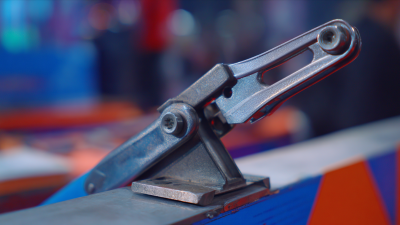
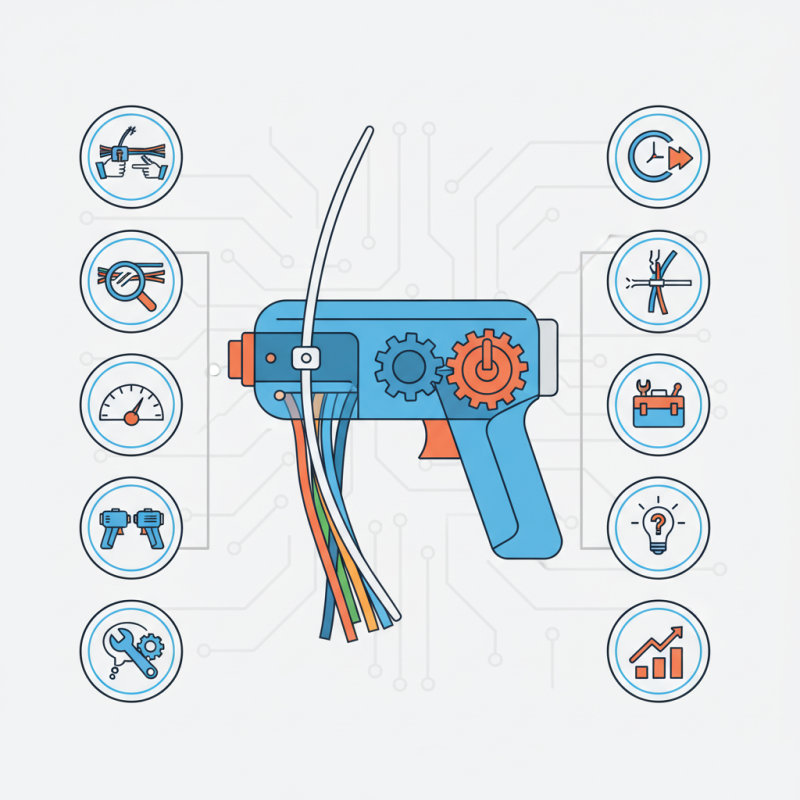
A zip tie gun is a handy tool that simplifies the process of tightening zip ties. Understanding how it works is key to maximizing its use. The mechanism typically involves a trigger that engages a ratcheting system. This system pulls the zip tie tight and secures it in place. Users often overlook the importance of proper adjustments, resulting in over-tightening or insufficient grip. Adjust the tension settings to suit your needs; this can dramatically improve the tool’s efficiency.
Components of a zip tie gun vary between models, yet many share common features. The spool holds the zip ties, while the guide directs them into the tightening mechanism. Lubrication of moving parts is crucial for long-term functionality. Neglecting this can lead to frustrating jamming. Additionally, using worn zip ties can undermine the quality of your work. It’s essential to evaluate your supplies before starting.
Improper handling can lead to accidents. A firm grip is necessary, but overexertion may cause slips or mishaps. Practice is vital to gain confidence with the tool. Using it in various scenarios will strengthen your skills. Take note of what works best and what doesn’t. This reflection will enhance your effectiveness. Each project provides a learning opportunity, revealing potential improvements for future tasks.
Usage Analysis of Zip Tie Guns
Choosing the Right Type of Zip Ties for Your Project Needs
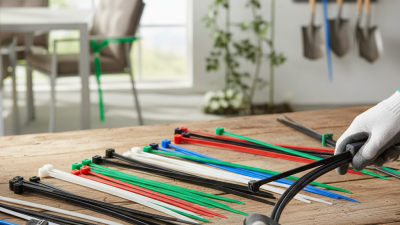
Choosing the right type of zip ties can significantly enhance your project's efficiency. There are different materials available, such as nylon and metal. Nylon is durable for most general uses. It’s also more affordable and available in various sizes. Metal ties, on the other hand, offer superior strength and resistance to extreme conditions. These are ideal for heavy-duty tasks.
Consider the length and width of the zip tie. Longer ties provide versatility, while shorter ones are perfect for tight spaces. It's essential to think about the environment too. UV-resistant ties work best outdoors, while standard ones suit indoor projects. Make sure to choose the appropriate tensile strength, depending on what you’re securing.
Sometimes, the quickest solution isn't the best one. Experimenting with different types may lead to unexpected problems, like excessive tension breaking the tie. Reflect on past projects and learn from mistakes. Understanding your specific needs is crucial for achieving the desired outcome. Setting aside time for this analysis will pay off in the long run.
Mastering the Technique: Proper Grip and Pulling Force for Efficiency
When using a zip tie gun, mastering your grip is essential for precision. A firm but relaxed hold allows for better control. The right grip influences your pulling force, which is crucial for effective tightening. Research indicates that improper grip can lead to uneven tension and weak connections. An ergonomic grip can help reduce hand fatigue, especially during prolonged use.
The pulling force is another critical factor. Data suggests that an optimal pulling force enhances efficiency and durability of the zip tie connections. Too little force can result in loose ties, while excessive force may cause breakage. Aiming for a consistent pull helps ensure uniformity in all applications. Practicing different techniques in a safe environment can help you gauge the right amount of pressure.
Despite these guidelines, many users still struggle with achieving optimal results. Misjudging the grip and pull can lead to mistakes. Reflection on your technique may uncover areas for improvement. Continuous practice and awareness of your grip and force can lead to better outcomes when using a zip tie gun.
Common Mistakes to Avoid When Using a Zip Tie Gun
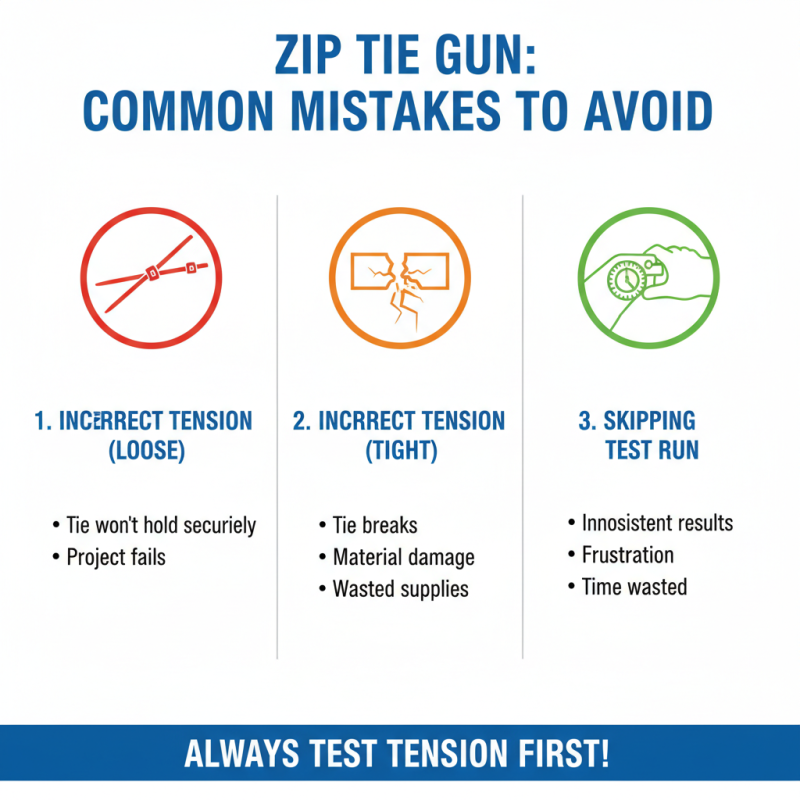
Using a zip tie gun can save time and effort, but mistakes can lead to frustrating experiences. One common error is not adjusting the tension properly. If the tension is too loose, the zip tie may not hold securely. Conversely, if it's too tight, you risk breaking the tie or causing damage to the material. Always test the tension before applying it to your project.
Another frequent misstep is overlooking the correct zip tie size. Using ties that are too short may not provide the required grip, while overly long ties can create unnecessary bulk. It's crucial to choose the right length and width for your specific applications. Also, ensure your workspace is clean. A cluttered environment can distract you, leading to mishaps with the tool.
Finally, many users neglect safety precautions. Always wear protective eyewear when working with zip tie guns. The tools can eject pieces unexpectedly if mishandled. Small mistakes can turn into sizeable problems. Reflecting on your techniques can help you become more efficient and avoid costly errors.
Maintenance Tips to Extend the Lifespan of Your Zip Tie Gun
Maintaining a zip tie gun is crucial for optimal performance. Frequent cleaning is a simple but effective step.
Dust and debris can accumulate in the mechanism, leading to malfunctions. Use a soft brush to gently sweep away any particles.
Regular checks on the cutting blade are necessary as well. A dull blade can lead to uneven cuts and wasted materials.
Storage conditions also play a significant role. Keep your zip tie gun in a
cool, dry place. Extreme temperatures can damage its components.
Additionally, consider using a protective case. This prevents accidental drops that could harm the tool.
Inspect the wiring and handles periodically. Frayed wires can pose safety hazards, while
loose handles can affect usability.
It's important to remember that not all repairs may be straightforward. Sometimes, a quick fix might lead to bigger problems later.
When in doubt, consult a professional or the manufacturer's guidelines. This way, you are investing time in ensuring the longevity of your tool.
A well-maintained zip tie gun not only performs better but also saves money in the long run.