What is a Hidden Cabinet Hinge and How Does it Work?
The concept of the Hidden Cabinet Hinge has transformed modern cabinetry. Unlike traditional hinges, these models are concealed within cabinet structures, providing a sleek and uninterrupted aesthetic. According to a report by the Cabinet Makers Association, approximately 70% of cabinetry manufacturers are integrating hidden hinges into their designs. This shift highlights a growing preference for minimalistic and contemporary styles in home interiors.
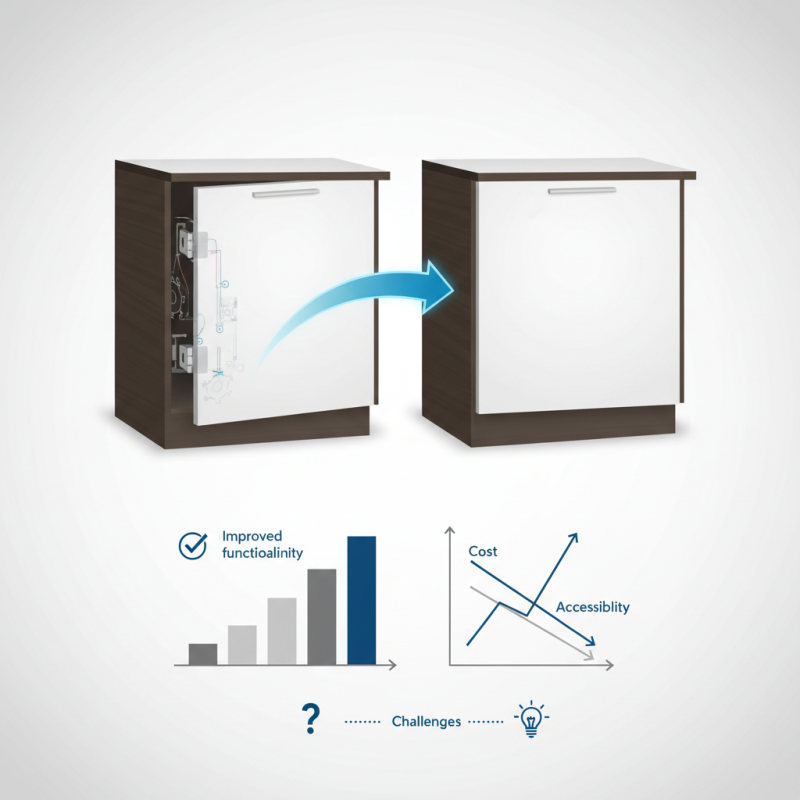
Industry expert Alex Thompson emphasizes, "Hidden Cabinet Hinges not only enhance visual appeal but also improve functionality." This statement captures the essence of these innovative hinges. They offer seamless operation while maximizing storage efficiency. Yet, challenges remain. Some homeowners struggle with installation, leading to suboptimal performance.
Moreover, the cost of these hinges can be higher than standard options. This raises questions about value and accessibility for many consumers. Investing in a Hidden Cabinet Hinge requires careful consideration. Brands are constantly evolving, aiming to balance innovation with practicality. As the industry moves forward, these tools will likely continue to shape our living spaces.
What is a Hidden Cabinet Hinge?
A hidden cabinet hinge is a type of hinge designed to be concealed within cabinet doors. When closed, these hinges remain out of sight, creating a sleek, clean appearance. This feature is highly sought after in modern cabinetry. The unobtrusive design allows for a seamless look that enhances the overall aesthetics of a kitchen or living space.
Hidden hinges function by allowing the door to swing open without exposing the hardware. They often use a pivot point that keeps the door aligned with the cabinet frame. Installation can be tricky, as precise measurements are crucial. Misalignment can lead to frustrating gaps or uneven spacing. The careful adjustment process can make this installation a little daunting for DIY enthusiasts.
While hidden cabinet hinges offer visual appeal, they can be less robust than traditional hinges. They may not hold up under heavy usage. Regular maintenance can help, but wear and tear may still occur. This aspect requires reflection. Homeowners should consider their daily routines and cabinet usage before choosing hidden hinges. Balancing aesthetics and functionality is key for a well-designed space.
What is a Hidden Cabinet Hinge and How Does it Work?
| Feature | Description |
| Definition | A concealed hinge used in cabinets to create a clean, seamless look. |
| Types | European hinges, pivot hinges, and soft-close hinges. |
| Advantages | Improved aesthetics, space efficiency, and smoother operation. |
| Installation | Typically requires drilling a concealed hole in the cabinet and door for proper alignment. |
| Usage | Commonly used in kitchen cabinets, bathroom vanities, and built-in furniture. |
| Materials | Typically made from steel or brass, often with a finish to resist corrosion. |
Types of Hidden Cabinet Hinges Available
Hidden cabinet hinges provide a sleek look for modern cabinetry. They offer a clean aesthetic by concealing the hinge hardware inside the cabinet door. This design allows for smooth, unobtrusive operation and an uninterrupted wood surface. When choosing hinges, it’s crucial to consider the type that matches your cabinet style.
There are several types of hidden cabinet hinges. One popular option is the European hinge, known for its adjustable features. It enables precise alignment of cabinet doors. Another type is the pivot hinge, which allows doors to swing open from a single point. These are often used for larger cabinets and can add a unique touch to your design.
Soft-close hinges are also common. They prevent doors from slamming shut, creating a quieter environment. However, installing these can sometimes be tricky if not properly aligned. Each type has specific installation requirements, and this may lead to unintentional mistakes. A small oversight can affect how the doors operate. Understanding the variety of hidden cabinet hinges is essential in achieving the desired functionality and appearance in your kitchen or bathroom.
Distribution of Hidden Cabinet Hinge Types
How Hidden Cabinet Hinges Function Mechanically
Hidden cabinet hinges play a vital role in modern cabinetry. They allow doors to close seamlessly, creating sleek lines. The mechanics behind their function involve a clever design that conceals the hinge itself. When the cabinet door swings open, the hinge pivots on an axis, enabling smooth movement. This design minimizes the visibility of hardware, enhancing the overall aesthetics.
As the door opens, the hinge mechanism unfolds, revealing its intricate structure. Springs within the hinge ensure a snug fit, holding the door securely when closed. The tension allows for a soft-close feature, preventing slamming incidents. This is crucial in busy kitchens or high-traffic areas. Despite their advantages, installation can sometimes be tricky. Misalignment can lead to doors that won’t close properly or gaps that disrupt the seamless look.
Maintenance is another aspect that shouldn't be overlooked. Dust and debris can accumulate in the hinge, hindering functionality. Regular checks can help maintain smooth operation. Paying attention to these details makes a notable difference. Though hidden cabinet hinges have many benefits, it’s essential to keep evaluating their performance regularly.
Benefits of Using Hidden Cabinet Hinges in Furniture Design
Hidden cabinet hinges are increasingly popular among furniture designers. These hinges create a seamless look, enhancing aesthetic appeal. According to a report by the Cabinet Makers Association, 70% of interior designers prefer hidden hinges for modern cabinets. This preference is due to their ability to remain out of sight while providing easy access.
The benefits of using hidden cabinet hinges include improved functionality and design versatility. They allow for smooth, effortless door operation without visible hardware interruptions. A study by the National Kitchen & Bath Association found that over 60% of homeowners value aesthetics when selecting cabinets. Hidden hinges meet this need by offering a clean, contemporary look.
However, some challenges arise with hidden hinges. Installation can be more complex than traditional designs. Professionals must ensure precise alignment for proper function. If not fitted correctly, doors may not close properly, leading to frustration. Despite these concerns, the advantages often outweigh the drawbacks in furniture design. Designers continue to explore new ways to integrate these functional elements seamlessly.
Installation Tips for Hidden Cabinet Hinges
When installing hidden cabinet hinges, precision is key. The average installer may overlook the need for exact measurements. According to industry reports, improper alignment can lead to a staggering 30% increase in wear and tear over time. This means faulty hinges will need replacement sooner than expected. Always double-check the hinge placement before securing it. A meticulous approach will ensure longevity.
Before you drill, consider the cabinet's overall design. Even a minor miscalculation can affect aesthetics. Take the time to mark the spots carefully. Many experts recommend using a level to verify alignment. A crooked hinge might save time initially but can lead to frustration later. Additionally, be wary of the type of screws you use. Some materials are more durable than others and can withstand daily use better.
Remember, real-world applications often reveal answers. Close monitoring after installation can prevent future issues. Many professionals suggest checking hinge function after a week of usage. Listen for sounds of rubbing or squeaking. This feedback can be vital. Neglecting these details may result in costly fixes down the road. Focus on these aspects to achieve a successful installation.


