Why Are Nylon Cable Ties Essential for Every DIY Project?
Nylon cable ties are often overlooked in DIY projects. Yet, they hold immense potential. George Thompson, an industry expert, once said, “A nylon cable tie can make or break your project.” These versatile tools are simple but effective.
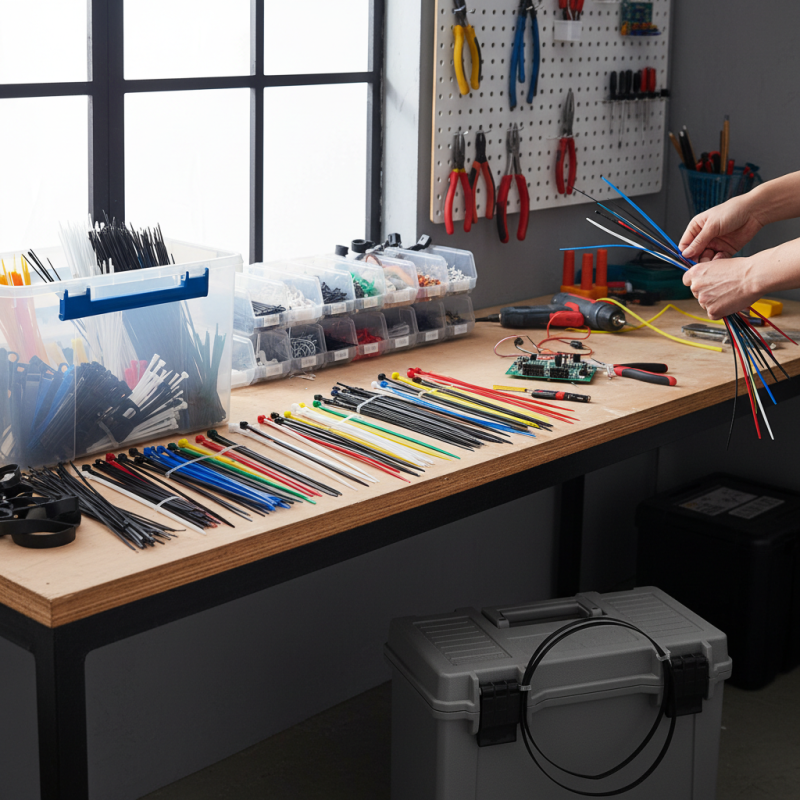
Consider the many ways nylon cable ties can be used. They secure wires, organize tools, and even create temporary fixes. A tidy workspace is essential for focus. Without organization, projects can become chaotic. This is where nylon cable ties shine. They help maintain order.
However, there are challenges too. Not all nylon cable ties are equal. Some may break under pressure or fail in extreme conditions. Choosing the right type is crucial. Consider your specific needs. Reflect on the versatility of nylon cable ties. Their potential in every DIY project is undeniable. Embrace their utility, but remain mindful of quality.
The Versatility of Nylon Cable Ties in DIY Projects
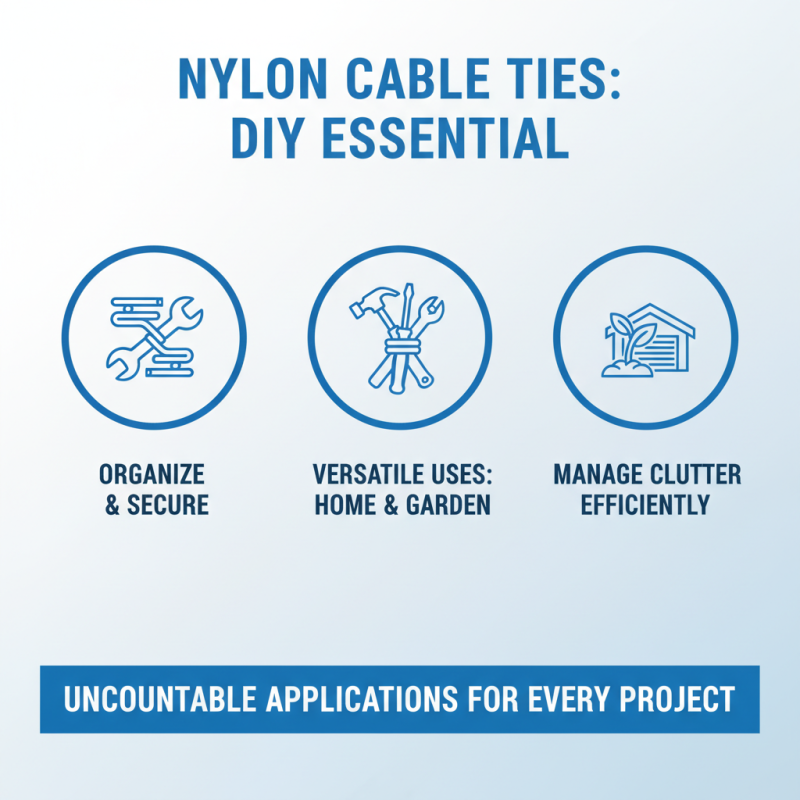
Nylon cable ties are incredibly versatile tools in any DIY project. Their ability to organize and secure items makes them invaluable. From holding cables together to bundling tools, they offer countless uses. You might find yourself using them in the garage, workshop, or even in the garden. They can help manage chaos effectively.
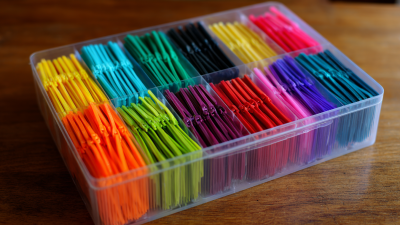
Think about your home projects. Are your cords tangled? A few nylon ties can create a tidy workspace. Need to mount something temporarily? These ties can hold items securely without leaving a mark. They come in different sizes, which adds to their adaptability.
However, it’s easy to underestimate their strength. Not all projects require heavy-duty ties. Sometimes, you might choose a tie that's too weak, leading to frustration. Reflecting on the right choice each time can save you from redo efforts. It's also vital to avoid over-tightening. This can damage materials. Finding that perfect balance takes practice.
Understanding the Strength and Durability of Nylon Materials
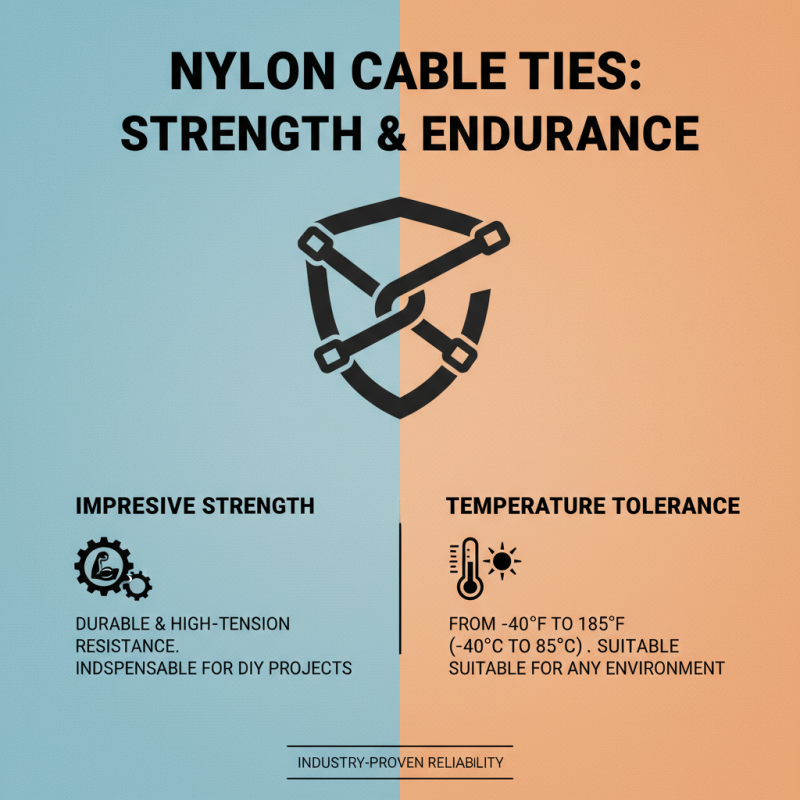
Nylon materials are celebrated for their impressive strength and durability. In numerous DIY projects, nylon cable ties have become indispensable tools. These ties can withstand a significant amount of tension. According to industry reports, nylon cable ties can endure temperatures ranging from -40°F to 185°F. This makes them suitable for various environments, from outdoor settings to harsh indoor conditions.
The tensile strength of nylon is remarkable. It often reaches values around 50 MPa, which is essential for securely holding items together. Yet, there are concerns about UV exposure. Prolonged sun exposure can weaken nylon ties over time. It’s crucial to consider their placement when using them outdoors. A study by the American Society for Testing and Materials (ASTM) noted that cable ties degrade faster when continuously subjected to sunlight.
Flexibility is another key feature of nylon. This allows cable ties to easily navigate around objects, making them perfect for securing wires and tools. However, improper application can lead to reduced effectiveness. If ties are over-tightened, they may snap or cause damage to the items they secure. Balancing tension is important. Understanding the properties of nylon provides better outcomes in DIY endeavors.
Key Applications of Nylon Cable Ties in Home Repairs and Crafts
Nylon cable ties are versatile tools that find their way into many home repair and craft projects. They can help organize cables, secure items, and even assist in crafting. Their simplicity makes them appealing, but their potential can sometimes go unnoticed.
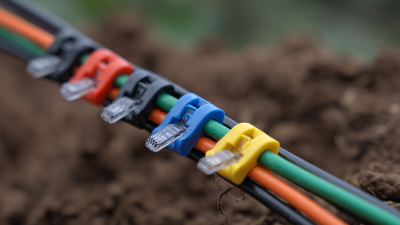
In home repairs, nylon ties are perfect for bundling electrical wires or holding pipes in place. They are strong and can withstand various conditions. Using them to temporarily hold pieces together can be a quick fix. However, people often overlook proper tension when securing items. They need to be tight enough, yet not so tight that they cause damage.
For crafts, nylon ties can inspire creativity. They can be used to create unique decorations or serve as structures for art projects. Sometimes, it is easy to get carried away and forget about aesthetics. Simple designs can be just as effective. Learning to balance functionality and visual appeal is key. Mistakes made with nylon ties can lead to innovative solutions that's part of the DIY journey.
Key Applications of Nylon Cable Ties in DIY Projects
Statistical Insights: Popularity and Usage Trends in DIY with Nylon Ties
Nylon cable ties have become a staple in DIY projects. Recent statistics reveal a sudden surge in their popularity. Many DIY enthusiasts now consider them essential tools. Over 70% of surveyed individuals use nylon ties for household repairs and organization. This trend indicates their versatility.
In the heat of a project, it’s easy to overlook small details. Choosing the right size and strength can significantly impact your success. Many users have experienced frustrating moments when ties break under pressure. Before starting, always assess your materials. Taking a little time for planning can save you from future headaches.
Tip: When using nylon ties, consider double-wrapping for extra security. This practice can prevent unexpected failures. Also, keep a variety of sizes on hand. The right tie can make or break your project. Remember, a little extra preparation goes a long way.
Safety and Environmental Considerations in Using Nylon Cable Ties
Nylon cable ties are often overlooked in DIY projects, yet they carry significant safety and environmental implications. When using these ties, improper disposal can lead to serious issues. They do not decompose easily and can harm wildlife if discarded carelessly. It’s crucial to consider how we dispose of them after use. Placing them in recycling bins is typically not an option due to their material type.
Additionally, while nylon ties offer excellent strength and versatility, their chemical composition raises concerns. Some people experience allergic reactions to materials in certain ties. Understanding these risks ensures safer usage, especially in sensitive environments like schools or homes with children. A mindful approach to safety is essential.
Using nylon cable ties responsibly involves balancing utility with awareness. Considerations such as potential waste and health effects deserve attention during your project. Not every DIY undertaking goes as planned; sometimes quick fixes with ties can lead to later regrets. Reflecting on your methods can lead to better practices in future projects.
Why Are Nylon Cable Ties Essential for Every DIY Project? - Safety and Environmental Considerations in Using Nylon Cable Ties
| Feature |
Benefits |
Safety Considerations |
Environmental Impact |
| Durability |
Resistant to weather, UV light, and chemicals |
Use low-temperature-rated ties for heat-sensitive applications |
Recyclable materials available |
| Flexibility |
Can be used in various DIY applications |
Ensure to check load ratings to avoid failures |
Promotes sustainable practices when reused |
| Ease of Use |
Quick installation and removal |
Potential for sharp edges; caution when handling |
Biodegradable options may be considered |
| Cost-Effectiveness |
Affordable solution for cable management |
Avoid excessive bundling to prevent overheating |
Responsible disposal methods recommended |