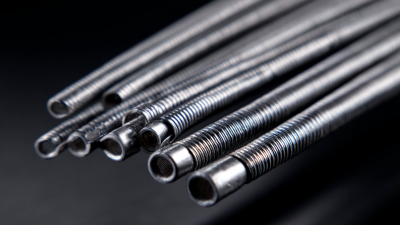
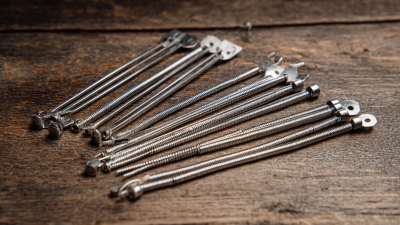
What is Steel Zip Ties and How to Use Them?
Steel zip ties are essential tools in various applications, offering strength and durability. These ties are made from stainless steel, making them resistant to heat, chemicals, and UV light. This unique composition provides superior holding power compared to traditional plastic ties.
Using steel zip ties is straightforward. They are ideal for securing cables, pipes, and other items in harsh environments. You can easily cut them to your desired length and attach them with a simple pull. However, improper usage can lead to issues like over-tightening, which may damage sensitive materials.
Understanding how to use steel zip ties effectively can enhance your projects. It's crucial to choose the right size and type for your specific needs. Despite their strength, reflection on proper techniques ensures maximum efficiency and reliability.
What are Steel Zip Ties and Their Unique Advantages in Fastening?
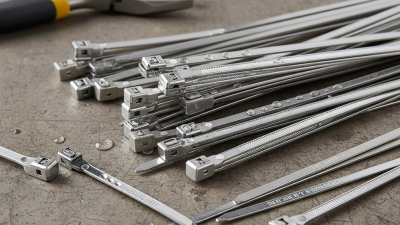
Steel zip ties are robust fastening tools made from stainless steel. They offer a unique solution where traditional plastic ties might fail. Their strength is unparalleled, making them ideal for heavy-duty applications. Many industries rely on them for securing objects that need to withstand high tension and harsh conditions.
These ties can endure extreme temperatures and harsh environments. They resist UV rays and chemicals better than plastic alternatives. This durability means they can be used in outdoor settings without degradation. While they may be more expensive than plastic, their longevity often justifies the cost. User experiences vary; some find them challenging to cut or adjust once in place. Planning ahead is crucial.
Installation requires care. They lock into place securely, which is a strength but can also lead to over-tightening. This can damage the items being fastened. It's essential to evaluate the tension needed based on the application. Understanding how to use steel zip ties effectively will enhance their advantages while minimizing potential drawbacks.
Advantages of Steel Zip Ties in Fastening
Steel zip ties offer unique advantages in fastening applications, including exceptional strength and durability, as represented in the chart above. The ratings reflect their effectiveness in various categories compared to standard plastic zip ties.
Industry Applications: Where Steel Zip Ties Are Commonly Used
Steel zip ties are increasingly popular in various industries due to their durability and strength. In construction, they secure pipes, cables, and other materials. These ties withstand harsh conditions, making them ideal for outdoor applications. They are particularly useful in electrical work, where safety is paramount. The ability to resist extreme temperatures ensures reliable performance.
In the automotive sector, steel zip ties play a critical role. They are used to hold fuel lines and wiring in place, contributing to vehicle safety. These ties can handle the vibrations and stresses of driving, which plastic alternatives may not withstand. In the manufacturing industry, they assist in organizing assemblies. Workers can quickly identify and access tools or parts, enhancing productivity.
However, while these ties are essential, they require careful installation. Over-tightening can damage cables or pipes, leading to potential hazards. Selecting the appropriate size and type is vital for effective use. Steel zip ties can truly be a game changer when used correctly, yet they also demand a thoughtful approach to installation.
Material Composition: Understanding the Durability of Steel Zip Ties
Steel zip ties are essential tools in various applications, from construction to organizing cables. Their strength primarily comes from their material composition. Made from stainless steel or carbon steel, these ties resist corrosion and wear. This durability makes them suitable for outdoor use where exposure to moisture and harsh conditions is common. Users can rely on steel zip ties to maintain integrity over time, avoiding frequent replacements.
The manufacturing process also plays a role in their reliability. Steel zip ties undergo rigorous testing to ensure they can withstand high tensile loads. Interestingly, while their sturdiness is a key feature, their flexibility in application is noteworthy. They can secure objects of different shapes and sizes with ease. However, one should consider the installation process. If used improperly, they can damage surfaces or objects. Ensuring the correct tension is essential for achieving optimal performance. Finding the right balance between tightness and restraint requires practice and attention to detail.
What is Steel Zip Ties and How to Use Them? - Material Composition: Understanding the Durability of Steel Zip Ties
| Dimension |
Description |
Durability Factor |
Common Uses |
| Material |
Steel |
High strength, resistance to corrosion |
Electrical wiring, industrial applications |
| Width |
1/4 inch |
Moderate holding capacity |
Bundling cables |
| Length |
8 inches |
Flexibility for various applications |
Securing items |
| Load Capacity |
50 lbs |
Suitable for heavy-duty use |
Holding heavy loads in construction |
| Corrosion Resistance |
Galvanized Finish |
Increased lifespan |
Outdoor and marine applications |
Step-by-Step Guide: How to Properly Install Steel Zip Ties
Steel zip ties are incredibly useful tools for securing items in various environments. Knowing how to install them properly ensures durability and reliability in your projects. Follow these steps for a successful installation.
Begin by selecting the appropriate size of steel zip tie for your needs. Measure the items you intend to bundle. Ensure you have enough length to secure them tightly, but not too much to cause excess bulk. Next, prepare the steel zip tie by threading it through the locking mechanism. Pull it snugly but do not fully tighten at this stage. This is where reflection on your positioning is critical. Adjust if necessary for optimal placement.
Once everything is in position, pull the steel zip tie to tighten it fully. Remember to leave some slack if the items might expand or contract due to temperature changes. Over-tightening can damage sensitive materials. After securing, trim any excess length with wire cutters for a neat finish. Always check your work after installation. Make sure there are no sharp edges exposed that could cause injury. Steel zip ties are strong, but improper use can lead to issues down the line.
Safety Considerations When Using Steel Zip Ties in Various Environments
When using steel zip ties, safety must be the top priority. These ties can hold significant weight, but their sharp edges can pose risks. Always wear gloves to protect your hands from cuts. In industrial environments, the risk increases due to dust or debris. Ensure that the area is clear to avoid accidents. The potential for snagging exists in tight spaces, so caution is vital.
In wet or humid conditions, steel ties can corrode, which reduces their effectiveness. This is critical for outdoor applications. It's essential to inspect them regularly for signs of wear. Additionally, using them in environments with extreme heat can lead to failures. The tensile strength can change, leading to potential hazards. Any project using these ties demands a thorough assessment of the surroundings.
Consideration of specific materials is also crucial. In electrical settings, the conductive nature of steel ties can create issues. Hence, non-conductive alternatives might be better suited. When planning to use steel zip ties, always evaluate the risks and prepare accordingly. Your safety and the success of your project depend on it.