Top 10 Uses of Tie Wraps for Organizing and Securing Items?
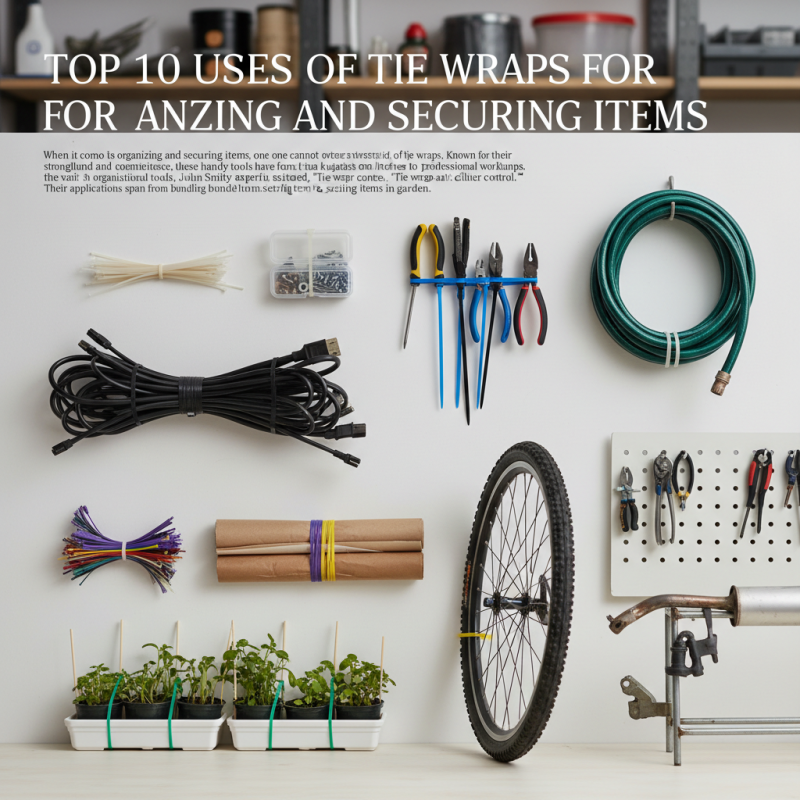
When it comes to organizing and securing items, one cannot overlook the versatility of tie wraps. Known for their stronghold and convenience, these handy tools have found a place in various settings, from homes to professional workshops. John Smith, an industry expert in organizational tools, once stated, “Tie wraps are the unsung heroes of clutter control.” Their applications span from bundling cables to securing items in gardens.
In everyday life, people often underestimate the potential of tie wraps. They can simplify complex setups by providing a neat and orderly solution. Picture a tangled mess of cords—tie wraps easily turn chaos into organization. Yet, with great utility comes a need for caution. Improper use might result in damage or hinder access to items. It’s essential to reflect on how tie wraps can enhance our surroundings, yet must be used thoughtfully.
These handy devices are more than just basic fasteners. They invite creativity and can help solve many pesky problems. As we explore the top ten uses for tie wraps, let’s approach their applications with both practicality and awareness.
Practical Applications of Tie Wraps in Home Organization
Tie wraps, often called cable ties, are versatile tools widely used for home organization. They can bundle cables to create tidy spaces. This helps reduce clutter, promoting a sense of order in your environment. According to a recent report, up to 60% of people feel anxious in cluttered spaces, making organization essential for mental clarity.
A practical use for tie wraps is securing loose items in drawers. Attach tie wraps around similar utensils or craft supplies. This not only keeps everything in place but also saves time when searching for essentials. Another clever application is organizing office cables. You can secure wiring with tie wraps to maintain a clean desktop. Surprisingly, statistics show that a clean workspace can improve productivity by 15%.
Tips: Use different colors of tie wraps for easy categorization. You can also write labels on them for quick identification. However, remember to check if the wraps are too tight. They should secure items without causing damage. Be mindful of overusing them; excess can lead to frustration rather than convenience.
Using Tie Wraps for Electrical Cable Management
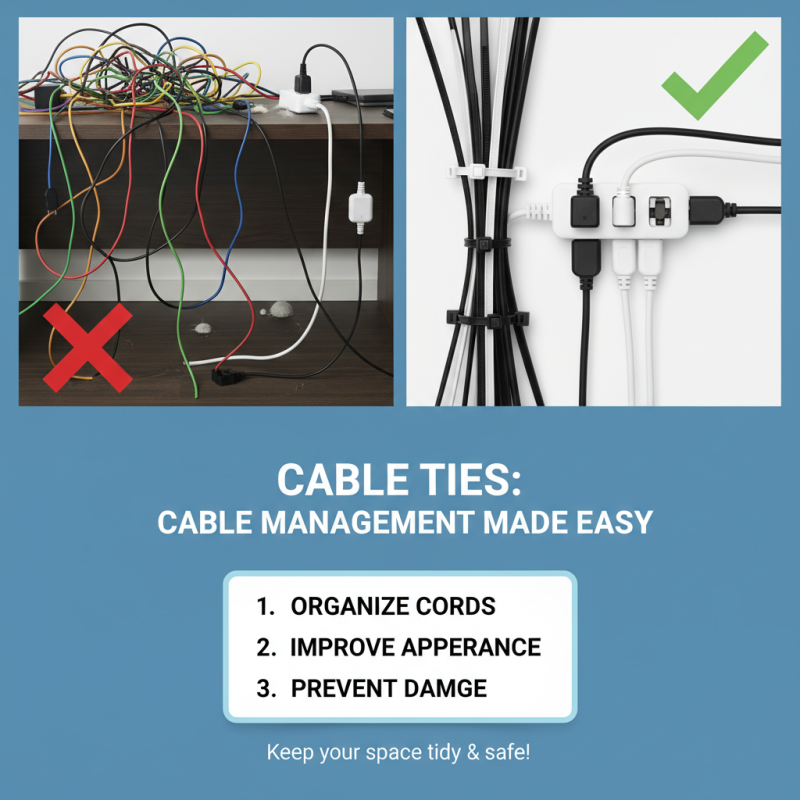
Tie wraps, or cable ties, are essential tools for managing electrical cables. They provide a quick and easy way to keep cords organized. Imagine a tangle of cables behind your desk. It looks chaotic and can even be hazardous. Using tie wraps, you can bundle them together neatly. This not only improves appearance but also prevents damage.
When managing cables, it's important to avoid over-tightening. If you pull too hard, you may damage the wires. Leave a little room for flexibility. Another point to consider is color coding. Using different colors for various cables can help you quickly identify them. This is particularly useful in a complex setup with multiple devices.
Always double-check your work. Look for any loose cables that might need attention. Regular maintenance can help keep everything tidy. Sometimes, despite your effort, cables may still become tangled. That’s okay; just take a moment to reassess. With regular use of tie wraps, you will find efficient ways to improve your setup.
Creative Ways to Secure Items in Automotive Spaces
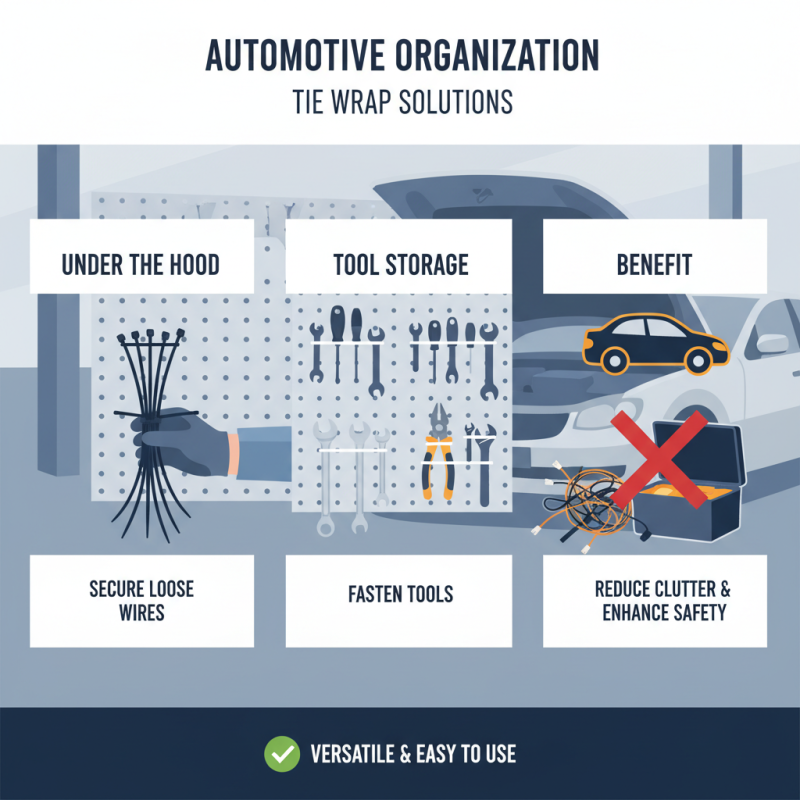
Tie wraps, or zip ties, are popular in automotive spaces for organizing and securing items. They are versatile and easy to use. You can secure loose wires under the hood or zip tie tools to a pegboard. This keeps your workspace tidy. Using tie wraps can prevent accidents caused by clutter.
In vehicle maintenance, they can hold items like diagnostic tools or spare parts. They keep everything in place, ensuring quick access when needed. A neat approach helps save time. However, some may overuse them, creating a tangled mess. It’s important to find a balance. Think about the best way to use them for your needs.
You might use different colors or sizes of ties for easy identification. This adds a creative touch. Remember, using too many might lead to confusion later. Reflect on your organization strategy. Can it be simplified? Tie wraps are helpful, but thoughtful usage makes them even better.
Efficient Packing Solutions with Tie Wraps for Travel
Traveling can be chaotic, and packing efficiently is key.
Tie wraps, also known as cable ties, offer simple solutions for securing items.
They help keep luggage organized. According to a recent travel report, 62% of frequent travelers struggle with cluttered suitcases.
Using tie wraps can minimize this issue by bundling clothes and accessories.
For example, you can group shirts with tie wraps to save space.
This method can reduce wrinkles too.
Tie wraps also work well for securing toiletries.
Many travelers lose items during transit. A recent study found that improper packing led to 45% of travelers experiencing leaks or spills.
Securing your liquids with tie wraps can prevent messes and protect your clothes.
However, it's essential to note that tie wraps can be overused.
Excessive use may cause us to overlook alternative packing solutions.
Reflecting on packing habits can lead to better decisions. Certain items, like larger electronics, may need different organizing methods.
A balanced approach ensures a smoother travel experience, with fewer pitfalls.
Innovative Tie Wrap Techniques for Gardening and Landscaping
Gardening and landscaping often require organization and efficiency. Innovative tie wrap techniques can significantly enhance these aspects. For instance, gardeners can use tie wraps to secure plant stems, preventing them from bending or breaking. This simple method increases plant resilience, especially during storms. According to a report by the American Horticultural Society, stable plant support can improve growth rates by 20%.
In landscaping, tie wraps can help manage cables for outdoor lighting. This keeps your garden tidy and safe. Studies show that 30% of garden accidents are due to tripping hazards. Secure cables with tie wraps to minimize this risk. Additionally, using tie wraps for grouped plants or shrubs can create a neat appearance. It simplifies maintenance and enhances the design.
Despite these benefits, it's easy to overlook the limitations. Over-tightening wrap can harm plants. Regularly check for any signs of damage. Also, the environmental impact of plastic tie wraps needs mindful consideration. Opting for biodegradable options can be a step in the right direction. Finding that balance is key in gardening.
Top 10 Uses of Tie Wraps for Organizing and Securing Items
| Use Case |
Description |
Innovative Technique |
| Garden Tools Organization |
Grouping and storing tools such as pruning shears, trowels, and rakes. |
Bundle tools together and secure them with tie wraps on a pegboard. |
| Plant Support |
Supporting growing plants and vines. |
Use tie wraps to attach stems to stakes or trellises. |
| Cable Management |
Organizing electrical cords and garden lighting cables. |
Wrap cables together and secure them along fences or walls. |
| Decorative Fencing |
Creating borders or decorative accents in the garden. |
Use colored tie wraps to attach netting or fabric to garden posts. |
| Seedling Support |
Providing support for young plants. |
Secure seedlings to small stakes with soft tie wraps to prevent damage. |
| Irrigation Systems |
Securing hoses and pipes in garden irrigation setups. |
Use tie wraps to attach hoses to stakes to prevent tangling. |
| Garden Decorations |
Hanging decorations or solar lights in the garden. |
Securely attach decorations to fences or trees using tie wraps. |
| Bundles of Produce |
Grouping harvested vegetables or flowers for transport. |
Use tie wraps to bundle items together without damaging them. |
| Composting Setup |
Organizing composting materials. |
Secure pathways in compost bins with tie wraps for stability. |
| Tool Safety |
Ensuring sharp tools are stored safely. |
Use tie wraps to keep tool covers on and prevent accidents. |