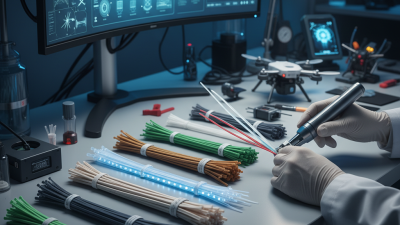
Why Are Zip Ties So Useful for Home and DIY Projects?
Zip ties have emerged as essential tools for both home and DIY projects. According to a recent industry report, the global demand for zip ties is expected to grow by 4.5% annually. This rise highlights their versatility and effectiveness in various applications. From organizing cables to securing items in place, zip ties provide a simple, yet powerful solution.
Their strength and durability make them ideal for both indoor and outdoor use. Many homeowners have discovered innovative ways to use zip ties. For instance, they can effectively bundle garden tools or create temporary fixtures. However, they can also pose challenges if not used correctly. Over-tightening can lead to damage, requiring careful application.
In approaching zip ties, it's crucial to understand their limitations. While they can hold items securely, excessive weight can cause failure. Reflecting on their use prompts a deeper awareness of best practices. Zip ties are not just utilitarian; they represent a blend of creativity and practicality.
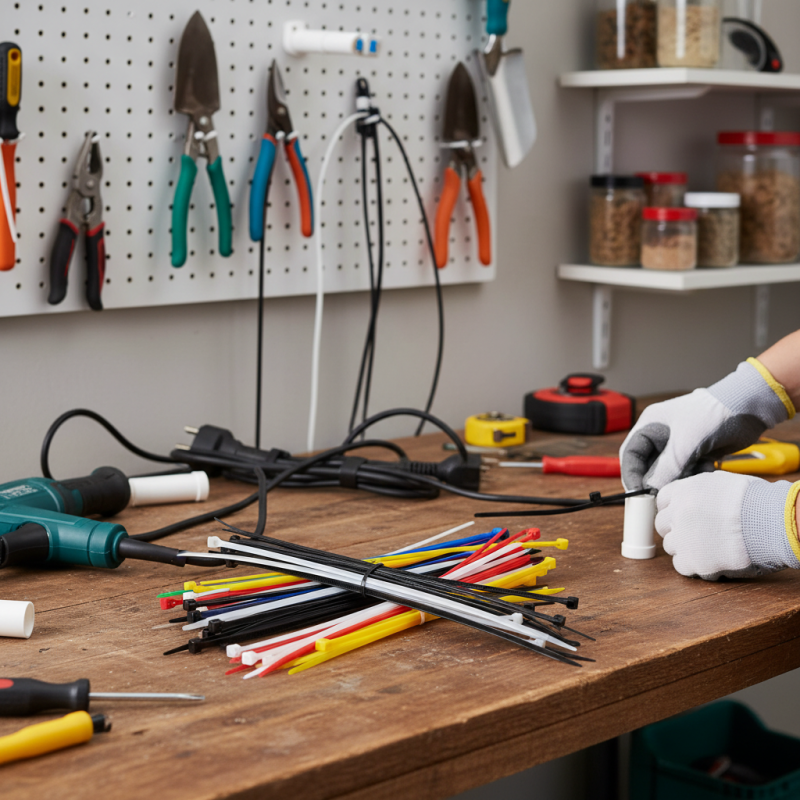
The Versatility of Zip Ties in Everyday Applications
Zip ties, also known as cable ties, showcase impressive versatility in various applications. According to a report by MarketsandMarkets, the global cable tie market is projected to reach $3.2 billion by 2027, driven by rising demand in industries such as construction and electronics. This growth highlights their significance in everyday DIY projects, from organizing cables to creating secure bundles.
In home improvement tasks, zip ties are often overlooked. They can hold garden tools together, or even fasten plants to trellises. A simple zip tie can eliminate clutter effortlessly. The strong hold of zip ties ensures that objects stay in place. However, over-relying on them can lead to issues. For example, using too many may result in unnecessary waste or make disassembly difficult.
Moreover, zip ties excel in unexpected situations. Emergency repairs benefit from their strength and flexibility. Data from the American Society for Testing and Materials indicates that the tensile strength of quality zip ties can exceed 120 pounds. Keep this in mind; while they are reliable, they are not magical solutions. Relying solely on them might overlook cleaner, more sustainable alternatives. Creative problem-solving should always be at the forefront of any DIY endeavor.
Common Household Uses for Zip Ties in DIY Projects
Zip ties, also known as cable ties, are a staple in many DIY projects. Their versatility is unmatched. A recent survey showed that over 75% of homeowners use zip ties for various tasks. They help keep spaces organized and clutter-free. One popular use is bundling cables. Tying them together reduces tripping hazards and improves aesthetics.
Beyond organizing wires, zip ties are great for repairs. Broken furniture can often be temporarily fixed with a sturdy zip tie. For example, a loose chair leg can be reinforced with a zip tie until a permanent solution is found. According to industry reports, more than 40% of crafters have used zip ties creatively in their projects, such as creating unique home décor items or even garden trellises.
However, not every DIYer knows how to maximize their use. Sometimes, a zip tie may be too rigid for delicate projects. This can lead to frustration when working with fragile materials. It's crucial to assess the task's needs before reaching for zip ties. Despite these shortcomings, the practical applications of zip ties continue to expand, solidifying their role in the DIY community.
Common Household Uses for Zip Ties in DIY Projects
Benefits of Using Zip Ties for Organizing Cables and Wires
Zip ties have become essential for organizing cables and wires at home. They are strong, versatile, and easy to use. When managing messy cables, zip ties help create order. A tangle of wires can be frustrating. Using zip ties can keep everything in place. It's satisfying to see neat cables instead of chaos.
When bundling wires, consider using different lengths of zip ties. Short ones are great for tight groups. Longer ties can handle larger bundles. Also, don't pull too tight. Overdoing it can damage the wires. That’s a mistake many make.
Tips: Label your bundles with a marker. This can save time later when you need to identify cables. Remember that zip ties are not permanent. If you need to adjust things, simply cut them off. Be aware that cutting can leave sharp edges. Handle with care to avoid injuries.
Creative Solutions: Zip Ties in Home Renovation and Repair
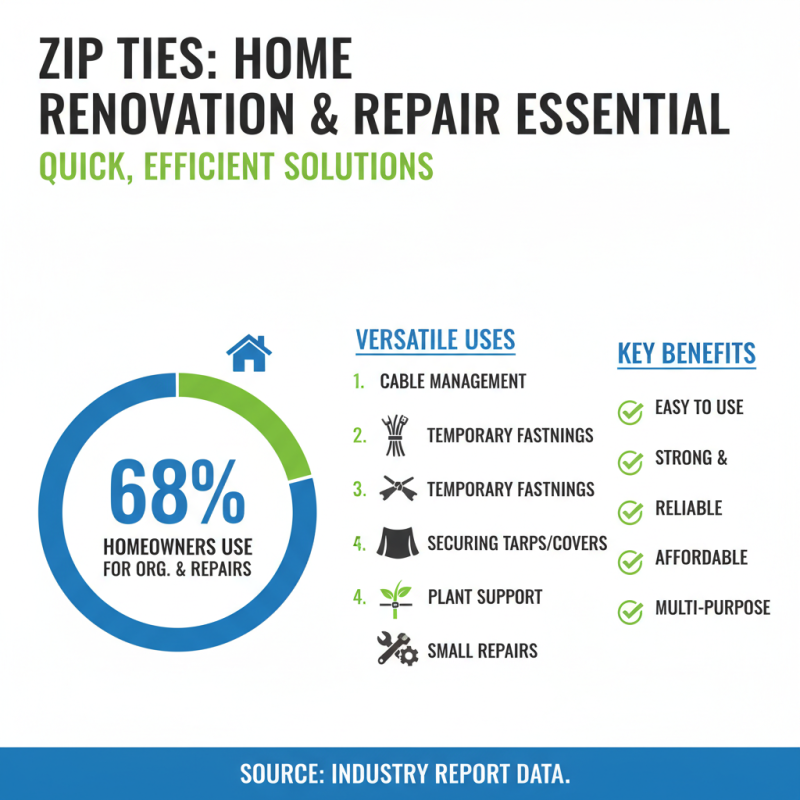
Zip ties have become essential tools in home renovation and repair projects. They offer quick and efficient solutions to common problems. Data from a recent industry report shows that 68% of homeowners use zip ties for organization and repairs. Their versatility makes them ideal for various tasks, from securing cables to holding furniture together.
For DIY enthusiasts, zip ties provide a simple yet effective way to manage home improvement challenges. They can secure loose wires in a home office or bundle tools in a garage. While their utility is clear, there are challenges as well. Over-reliance on zip ties might lead to shortcuts, compromising long-term durability. Some users find themselves needing to replace them frequently, leading to increased material waste.
Zip ties can transform your home, but they are not without their flaws. Misusing them can lead to damage or safety concerns. Flexibility is important, but relying solely on zip ties can create a false sense of security. Balancing their use with more permanent solutions might be necessary for serious repairs. The key is knowing when to use them effectively and when to seek more robust alternatives.
Safety and Durability: Why Zip Ties Are Ideal for Long-Term Use
Zip ties, also known as cable ties, are a staple in many homes. Their safety and durability make them perfect for long-term projects. According to a report from the Industrial Fasteners Institute, proper use of zip ties can enhance project longevity by up to 25%. They can withstand extreme temperatures and various chemicals, making them a versatile option for different environments.
In DIY projects, using zip ties can simplify complex tasks. For example, organizing cables can prevent hazards and improve aesthetics. When securing items, choose the right length and strength. A common mistake is using a zip tie that is too short for the job. This can lead to breakage over time and potential safety risks.
Tips: Always consider the weight of the items you’re securing. If in doubt, use multiple zip ties for added strength. Ensure that zip ties are not over-tightened, as this may lead to damage. A loose fit can also compromise the stability of your project. It's essential to evaluate the materials involved and their compatibility with zip ties, especially in outdoor settings.