


Where to Buy the Best Black Cable Ties from China?
Finding the best black cable ties from China requires more than comparing prices on a supplier page. Product quality can change between samples and large production runs. The details matter.
Chen Wei, a cable-management sourcing specialist, puts it clearly: “A low price means little when the tie fails under heat, tension, or sunlight.” That warning deserves attention. Reliable buyers should inspect nylon 66 material, tensile strength, locking performance, and temperature resistance. Black cable ties made with suitable carbon black pigment can offer better outdoor durability. However, color alone does not prove UV resistance.
A strong China supplier should provide clear specifications, production samples, factory images, and consistent packaging details. Ask whether the listed strength applies to the finished product, not only the raw material. Request batch records when possible. Small tests help. Pull the tie by hand, inspect the teeth, and check whether the head cracks after bending. This is not a laboratory certification, but it can reveal careless molding.
Pricing also needs careful interpretation. A very low quotation may exclude packaging, testing, or shipping preparation. I have seen buyers focus on unit cost and overlook inconsistent dimensions. That mistake becomes expensive later. MOQ, lead time, private labeling, and replacement policies should appear in writing.
This guide compares practical buying factors, supplier signals, and common quality risks. It does not assume every large factory is reliable. Nor is every small supplier unsuitable. Evidence matters more than promises.
What Are Black Cable Ties and Where Are They Commonly Used?
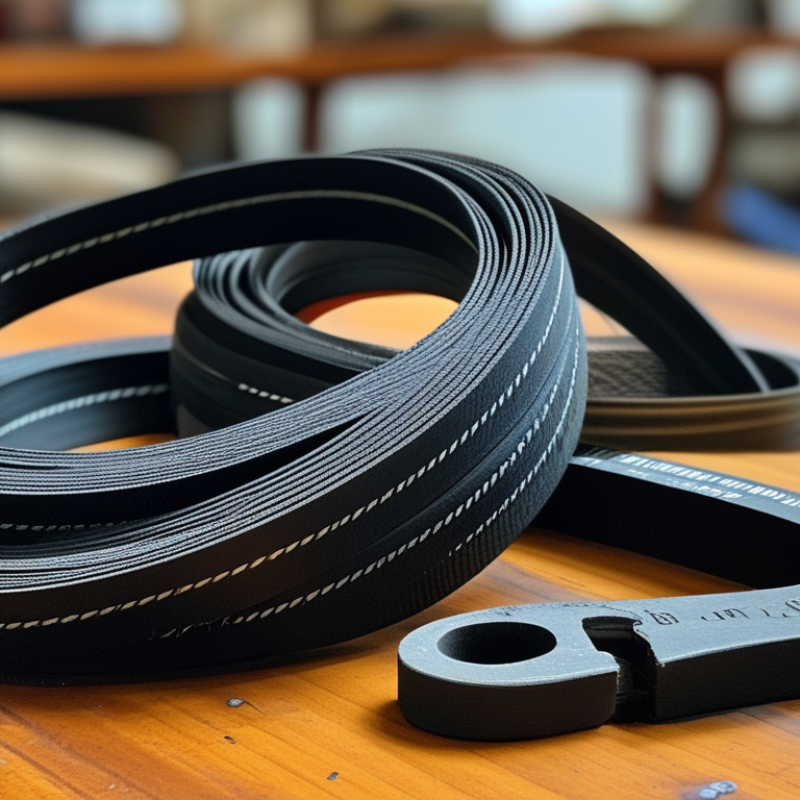
Black cable ties are narrow fastening strips, usually made from nylon 6/6. Their toothed bodies lock into small heads, creating a firm loop around wires, hoses, or light components. Black pigment often includes carbon black, which can improve resistance to sunlight. However, black does not automatically mean outdoor-rated. Check UV-stabilization claims, temperature ranges, tensile strength, and material specifications before purchasing.
Their uses are practical and widespread. Electricians bundle control-panel wiring, solar cables, and communication lines. Automotive technicians secure harnesses near engines, where heat and vibration demand suitable grades. Construction crews use them for temporary organization, while factories install them around conveyors and machinery. In homes, black ties can hide cable bundles behind desks or entertainment units. Small details matter. A tight tie can damage insulation.
Market data shows steady demand. Grand View Research reported continued growth in the global cable ties market, supported by construction, automotive, and electrical applications. Mordor Intelligence estimated the market at about USD 2.2 billion in 2024, with further growth projected through 2029. These reports use different methods, so their figures should not be treated as identical. That is worth remembering. For buyers sourcing from China, request samples and verify dimensions, locking performance, flame rating, and UV testing. A low price may reflect weaker nylon, uneven molding, or brittle locks. Black ties look simple, but specification errors can become expensive.
Where to Buy the Best Black Cable Ties from China? - What Are Black Cable Ties and Where Are They Commonly Used?
| Category | Data Dimension | Typical Technical Information | Common Application or Buying Consideration |
|---|---|---|---|
| Product Definition | Product type | A black cable tie is a one-piece fastening strap with a toothed body and a locking head used to bundle or secure cables and other items. | Suitable for organizing wires, hoses, pipes, packaging, and general assembly work. |
| Most common material | Nylon 6/6, also known as polyamide 66, is widely used for general-purpose cable ties. | Check the material declaration and grade before placing a bulk order. | |
| Black color composition | Black ties are commonly colored with carbon black or another black pigment. | Black color can reduce the visual impact of dirt and may support light resistance, but color alone does not prove outdoor durability. | |
| Reusable or releasable design | Standard serrated ties are generally single-use; releasable ties include a release tab or lever. | Choose releasable designs for temporary installations, maintenance, or frequent cable changes. | |
| Installation method | The tail is inserted through the locking head and pulled until the required tension is reached; the excess tail is usually cut off. | Use a suitable hand tool or tensioning tool for consistent installation and cleaner results. | |
| Key Specifications | Common lengths | Common commercial lengths include approximately 100 mm, 150 mm, 200 mm, 250 mm, 300 mm, 370 mm, and 430 mm. | Select the length according to bundle diameter, locking-head size, and the required tail allowance. |
| Common widths | Typical widths range from about 2.5 mm to 9.0 mm, depending on the series and load requirement. | Wider ties generally provide greater tensile capacity, but the actual rating must be confirmed from test data. | |
| Operating temperature | A typical nylon 6/6 cable tie may be specified for approximately -40°C to +85°C, although the exact range varies by material and design. | Request the supplier's temperature specification for continuous use, short-term exposure, and low-temperature impact conditions. | |
| Tensile strength | Tensile strength depends on width, thickness, material, locking-head design, and test method; typical product series range from several kilograms-force to several tens of kilograms-force. | Compare published minimum loop tensile-strength values rather than judging performance by size or appearance alone. | |
| Flammability classification | Some nylon cable ties are manufactured with materials tested to UL 94 classifications such as V-2 or V-0; the classification is not universal. | Request the applicable test report or certificate when using ties in electrical panels, appliances, or equipment enclosures. | |
| UV resistance | Outdoor-grade black ties may use UV-stabilized nylon, but ordinary black nylon should not automatically be treated as outdoor-rated. | For outdoor, rooftop, solar, or vehicle applications, specify UV resistance and request accelerated-weathering or outdoor-use evidence. | |
| Common Uses | Electrical and data cables | Bundles power cords, control wires, network cables, and communication cables. | Avoid excessive tightening, which may deform cable insulation or affect sensitive data cables. |
| Automotive and transportation | Used for routing wiring harnesses, hoses, and lightweight components. | Select heat-, vibration-, chemical-, and abrasion-resistant specifications where required. | |
| Construction and installation | Used to organize temporary wiring, conduit accessories, pipe bundles, and lightweight fixtures. | Use UV-stabilized products for exposed outdoor work and select a length that allows safe tool access. | |
| Manufacturing and control cabinets | Helps route and separate wires inside panels, machines, and control systems. | Confirm flammability, temperature, chemical, and electrical-environment requirements. | |
| Packaging and general organization | Secures cartons, bags, bundled products, garden items, and workshop materials. | Standard nylon ties are often sufficient when high temperature, UV, or chemical exposure is not expected. | |
| China Purchasing Checklist | Supplier search channel | Potential sourcing channels include Chinese manufacturers, industrial distributors, export trading companies, and business-to-business marketplaces. | Compare technical documentation, production capability, quality controls, lead time, and export experience instead of relying only on price. |
| Sample evaluation | Check dimensions, molding quality, locking performance, burrs, color consistency, insertion force, and break resistance. | Test samples under the actual temperature, load, chemical, vibration, and outdoor conditions expected in use. | |
| Quality documents | Useful documents may include a material declaration, dimensional inspection report, tensile test report, and applicable flammability or environmental test results. | Ensure the documents apply to the exact material, size, color, and production specification being purchased. | |
| Packaging and labeling | Packaging should identify size, quantity, material, production batch, and storage guidance where applicable. | Keep nylon ties sealed and dry before use because moisture can affect processing and mechanical performance. | |
| Order specifications | A purchase specification should state length, width, color, material grade, temperature range, tensile requirement, packaging, and inspection standard. | A detailed specification reduces substitutions and helps maintain consistent quality between production batches. |
Note: Technical values are typical reference ranges. Always confirm the exact specification and test results for the selected cable-tie design before purchase or installation.
Related Posts
-
How to Choose the Right Black Cable Ties?
-
Exploring the Future of Bulk Zip Ties at the 2025 China Import and Export Fair
-
Innovative Zip Tie Tool Solutions Unveiled at the 2025 China Import and Export Fair
-
How to Choose the Best Black Zip Ties for Your Needs?
-

How to Choose the Right Cable Ties for Your Needs?
-

Top 10 Benefits of Using Plastic Ties for Your Projects?
