Why Choose China Steel Products for Your Global Procurement Needs?
In today's global market, many businesses seek reliable materials for production. One key option stands out: China Steel Products. China's steel industry has flourished over the years, offering a vast range of high-quality products. Companies worldwide rely on these products for construction, manufacturing, and other essential sectors.
The advantages of sourcing from China are evident. Competitive pricing, diverse product choices, and robust supply chains make China an attractive destination. However, with these benefits come challenges. Sourcing needs careful evaluation. Not all suppliers offer the same level of quality. Therefore, it's crucial to choose reputable manufacturers.
China Steel Products not only meet international standards but also provide customizable solutions. Buyers can find tailored options that suit their specific requirements. Yet, the pursuit of quality should always be at the forefront. Businesses must remain vigilant in their procurement processes, ensuring they partner with trustworthy sources. This approach will foster long-term success and reliability in their operations.
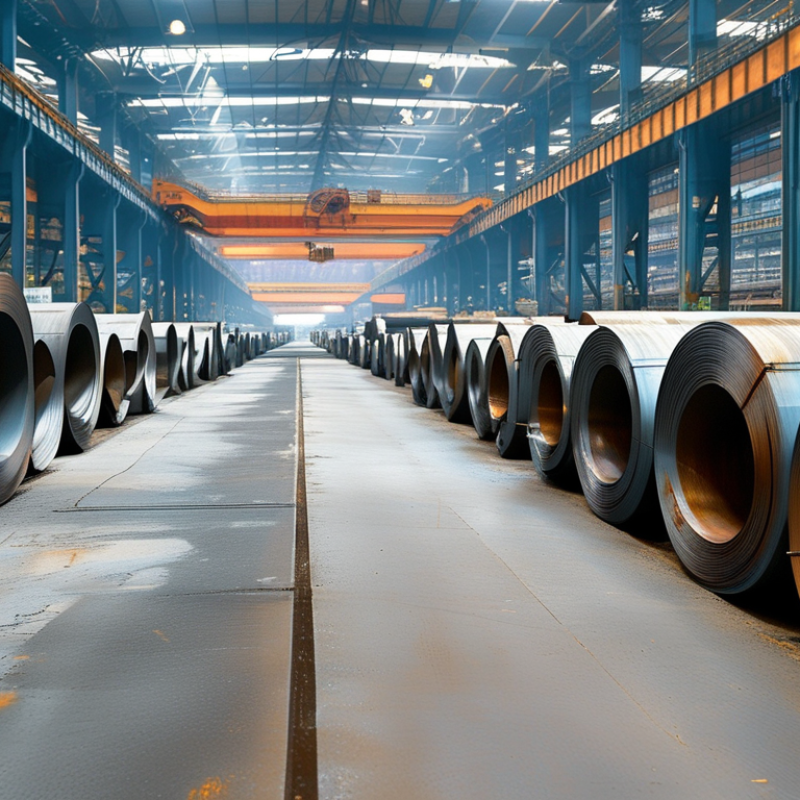
Benefits of Sourcing Steel Products from China
When considering global procurement needs, sourcing steel products from China offers significant advantages. China's steel production reached over over 1 billion metric tons in 2022, accounting for more than 56% of the world’s total output. This massive scale translates into cost-effective pricing, allowing businesses to maximize their budgets while obtaining reliable materials.
Quality assurance is essential in steel procurement. China has made strides in enhancing the quality of its steel products by adopting international standards like ISO certifications. A report from the World Steel Association indicates that Chinese manufacturers have improved their production processes significantly in recent years. However, some suppliers still struggle with quality consistency. Research and due diligence are critical.
Tip: Always request samples before placing large orders. This ensures the quality meets your specifications.
Sourcing from China not only provides competitive pricing but also diverse product offerings. The country produces a wide range of steel grades suitable for various applications, from construction to automotive. However, navigating the procurement landscape can be challenging. Language barriers and cultural differences may complicate communication. Understanding these factors is crucial for a successful partnership.
Tip: Engage local experts or consultants when entering the Chinese market. Their insights can enhance your procurement strategy.
Quality Assurance Standards in Chinese Steel Manufacturing
Chinese steel manufacturing has established itself as a leader in quality assurance standards. According to the China Steel Industry Yearbook, over 70% of steel produced in China meets international quality standards. This is a significant achievement, especially considering the country's rapid production rates.
However, maintaining these standards is not without challenges. For instance, the sheer volume of production can sometimes lead to quality inconsistencies. The World Steel Association reports that quality control measures are crucial in ensuring uniformity across millions of tons of output. Manufacturers must invest in advanced technology and rigorous testing processes.
Chinese producers are increasingly adopting global quality benchmarks. Many factories have implemented ISO certifications. These certifications ensure that products meet specific international criteria, improving reliability for global procurement. Yet, there remains a need for continuous improvement. Issues with traceability and raw material sourcing can still affect final product quality.
Cost-Effectiveness of Chinese Steel in Global Markets
Chinese steel products have gained considerable traction in global markets, primarily due to their cost-effectiveness. A recent report from the World Steel Association indicated that the average price of Chinese steel per ton is significantly lower than in other markets. In 2022, the price of hot-rolled steel in China was approximately $650, while the same product in Europe reached over $900. This price gap presents an attractive opportunity for international buyers seeking to reduce expenses.
Quality is another critical factor that cannot be overlooked. Chinese manufacturers have adopted advanced technologies to enhance production efficiency. According to a survey by McKinsey & Company, over 78% of buyers reported satisfaction with the quality of steel sourced from China in 2023. However, not all products meet international standards. Selection requires careful evaluation. While many suppliers are reputable, some may offer products that do not comply with safety regulations. Due diligence is essential.
While price and quality are key advantages, potential buyers should also be aware of challenges. Shipping times and international tariffs can impact overall cost effectiveness. In addition, fluctuating currency rates may affect pricing. Awareness of these factors is crucial for making informed procurement decisions. Buyers should continuously monitor the market trends to ensure competitiveness in their offerings.
Cost-Effectiveness of Chinese Steel in Global Markets
Diverse Range of Steel Products Available from China
China has become a global hub for steel products, offering a diverse range of options. From construction materials to manufacturing components, the selection is vast. Builders often seek high-quality steel beams and rebar due to their strength and durability. Appliances and machinery manufacturers frequently look for sheet steel and tubing. The variety serves many industries, making China a one-stop shop.
Quality is a crucial factor in procurement. However, not all suppliers guarantee consistency. It's essential to research and verify manufacturers' credentials. Some companies may lack the necessary certifications or quality control processes. Transparency in communication is vital. Questions about production methods and sourcing materials should always be addressed. Engaging with suppliers who share their expertise can lead to better decisions.
Price competitiveness is another consideration. While many Chinese manufacturers offer lower prices, it’s wise not to sacrifice quality for cost. Sometimes, cheaper products might result in increased long-term expenses. Investing in quality upfront can save money later. A comprehensive understanding of your needs will help navigate this complex market, ensuring a successful procurement experience.
Logistical Advantages of Sourcing Steel from China
When considering global procurement, sourcing steel from China offers unique logistical advantages. China is the world’s largest steel producer, accounting for over 50% of global steel production in 2022, according to the World Steel Association. This significant output translates to abundant availability, enabling companies to meet high procurement demands more efficiently.
Shipping times from China can be surprisingly short. For instance, a shipment can reach ports in North America or Europe in just a few weeks. This is primarily due to well-developed infrastructure and extensive shipping networks. China has over 34 major ports capable of handling large volumes of goods. However, complications such as customs delays and tariffs must be considered. Companies need to account for these variables when planning procurement timelines.
The cost-effectiveness of sourcing steel from China also deserves attention. According to industry reports, the average price of steel in China can be 20-30% lower than in Western countries. This price advantage, along with favorable exchange rates, can mean considerable savings. Yet, reliance on Chinese suppliers can create risks related to quality control and compliance standards. Finding reliable partners who meet specific requirements and certifications is essential.


