7 Best Zip Tie Tags for Global Buyers

Choosing the right zip tie tags can seem simple until a shipment crosses climates, warehouses, and industries. A tag that performs well indoors may fade under strong sunlight, crack in freezing weather, or loosen around thick cables. Global buyers need more than attractive printing. They need dependable identification, secure attachment, and clear information throughout handling.

Packaging identification specialist David Chen explains, “A tag is useful only when it stays readable, attached, and easy to verify.” His point reflects the practical standards used by experienced sourcing teams. Material strength, UV resistance, writing quality, barcode contrast, and locking performance all deserve close attention. Small details matter. A rough edge can cut gloves. Weak ink can turn a serial number into guesswork. An oversized tag may catch during transport.

This guide reviews seven zip tie tags for international buyers, comparing their materials, attachment methods, weather resistance, customization options, and suitable applications. It considers cable management, equipment labeling, inventory control, and outdoor identification. The selection is not perfect. Product performance can change between suppliers, production batches, and installation conditions. Buyers should request samples and test them on real surfaces before placing large orders.

Cost also requires careful judgment. The cheapest option may create replacement work later. A slightly stronger tag may reduce confusion, returns, and inspection delays. Reliable purchasing is rarely about one feature. It is about choosing a balanced tag for the environment, workload, and expected service life.
7 Best Zip Tie Tags for Global Buyers

What Zip Tie Tags Are and Why Global Buyers Use Them

7 Best Zip Tie Tags for Global Buyers

What Zip Tie Tags Are and Why Global Buyers Use Them

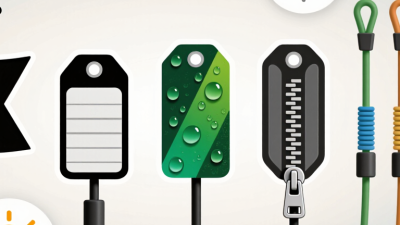
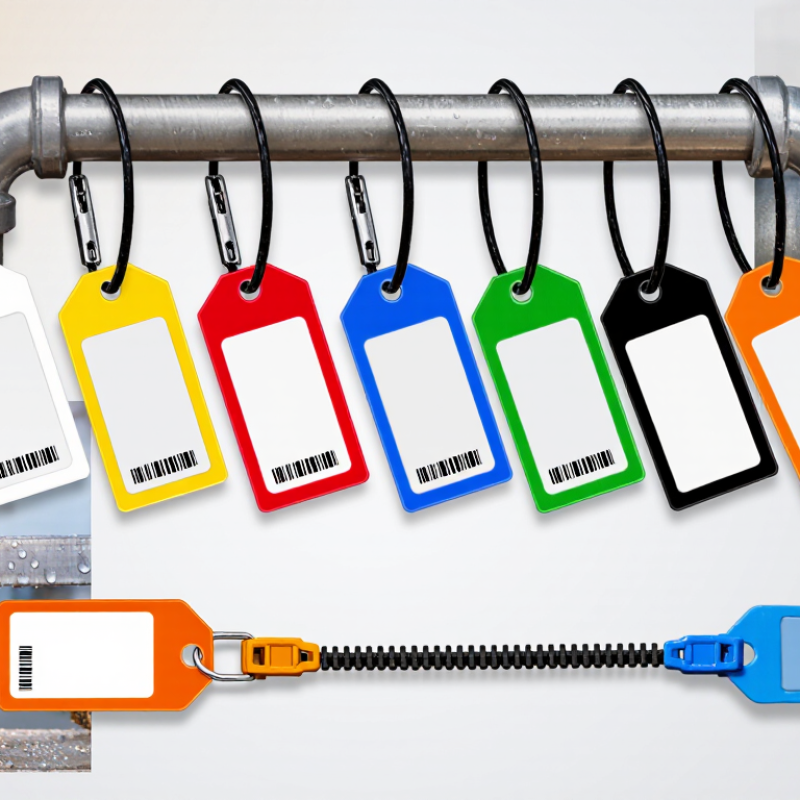
Zip tie tags combine a fastening loop with a writable, printable, or barcode-ready identification plate. They attach to cartons, cables, pallets, crates, and equipment without extra tape. Global buyers often select seven practical types: blank loop tags, numbered tags, barcode tags, QR-code tags, reusable tags, weather-resistant tags, and tamper-evident tags.

Their value becomes clearer during international handling. UNCTAD’s Review of Maritime Transport 2023 reports that over 80% of global merchandise trade by volume moves by sea. Cargo may face salt air, vibration, rain, and repeated transfers. A durable tag keeps an item’s code visible when outer packaging is replaced. The World Bank’s 2023 Logistics Performance Index covered 139 economies, showing how widely supply chains depend on consistent identification and tracking.

In real warehouses, buyers check print contrast, hole strength, label size, and temperature resistance. A small tag can prevent a large sorting mistake. Reusable versions suit returnable containers, while serialized tags support stock counts and maintenance records. However, zip tie tags are not magic. A faded barcode, weak plastic, or cramped text can still cause delays. Handwritten details may help, but rain can erase them. Buyers should test sample tags under actual shipping conditions before ordering in bulk.

Key Features to Compare in Zip Tie Tags

When comparing zip tie tags for global buyers, start with material and weather resistance. Nylon suits general indoor use, while UV-stabilized grades perform better outdoors. For cold storage, ask for tested flexibility, not just a temperature claim. I have seen rigid tags crack during winter installation.

Size affects both readability and handling. A broad writing panel holds larger codes and inspection dates. Rounded edges reduce snagging on gloves and cables. Check the tie length against the actual bundle diameter. A tag that is too short becomes useless.

Printing quality deserves close attention. Compare thermal transfer, laser marking, and handwritten surfaces under dust and moisture. High-contrast text should remain readable after rubbing. Serial numbers, barcodes, or QR codes need consistent spacing and verification. One blurred character can interrupt inventory tracking.

Examine the locking mechanism carefully. It should resist casual removal but still allow fast installation. For tamper evidence, look for a clean break indicator or unique serial number. Do not assume stronger always means better. Excessive force may damage thin cables.

Ask about customization limits, minimum order quantities, and sample approval. Different languages and date formats can create avoidable errors. Packaging should protect tags from bending and contamination during long-distance shipping. Reliable suppliers should provide material data, test conditions, and inspection records. Claims without test details deserve caution.

I also compare hole diameter, tie flexibility, adhesive compatibility, and color stability. These details seem minor. They often decide field performance. A sample trial in the real environment remains more trustworthy than a polished specification sheet.

Seven Leading Zip Tie Tag Types for Different Applications

7 Best Zip Tie Tags for Global Buyers

Seven Leading Zip Tie Tag Types for Different Applications

Choosing a zip tie tag starts with the environment, not appearance. Standard nylon marker ties suit cable bundles, warehouse bins, and temporary equipment labels. They are affordable and easy to print or write on. UV-stabilized tags perform better outdoors, where sunlight can make ordinary plastic brittle. Heat-resistant tags fit engine rooms, industrial panels, and warm production areas. Always check the stated temperature range. Guessing here is an expensive mistake.

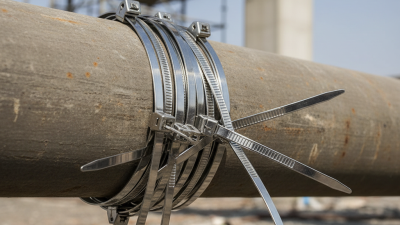
Stainless steel tag ties handle vibration, moisture, and demanding industrial conditions. They work well around pipelines, machinery, and outdoor infrastructure. Releasable tags help technicians reopen a bundle during maintenance. They save time, but their locking strength may be lower than permanent designs. Flag-style tags offer a larger writing surface for inventory codes or inspection dates. Wrap-around tags sit closely around wires and reduce snagging in crowded cabinets. Small details matter.

Detectable tags are useful in food-processing and clean production areas because their material can be identified by suitable inspection systems. They still need proper cleaning and installation practices. In my testing experience, tag readability often fails before the tie itself. Faded ink, poor contrast, and cramped handwriting create avoidable errors. A wider label is not always better; it can catch on nearby parts. Select the tag by temperature, exposure, identification method, and removal needs. No single type wins every application.

How to Choose the Right Zip Tie Tag for Your Market

7 Best Zip Tie Tags for Global Buyers

How to Choose the Right Zip Tie Tag for Your Market

Choosing a zip tie tag starts with the working environment, not the catalog photo. I compare material, locking strength, tag size, print surface, color, temperature tolerance, and packaging format. These seven details affect performance across different markets. A warehouse label may need a wide writing area, while outdoor equipment needs weather-resistant material and clear contrast. Small details matter.

Test the tag with the cable, tool, and surface used by your customer. A tag that closes easily by hand may fail during vibration or repeated handling. I once selected a narrow tag to reduce packaging space. That choice looked efficient, but the printed code became difficult to scan. Larger tags often improve readability, though they can increase shipping volume. The right balance depends on local storage habits and labor conditions.

Ask buyers whether they prefer handwritten notes, thermal printing, or pre-printed identification. Check how long the mark must remain readable. Pale tags can help dark printing stand out, while bright colors support quick visual sorting. For humid or dusty regions, inspect the closure after exposure testing. Do not rely on assumptions. A small trial shipment can reveal problems before full production, especially when users handle gloves, cutters, or thick cable bundles.

7 Best Zip Tie Tags for Global Buyers - How to Choose the Right Zip Tie Tag for Your Market

Zip Tie Tag Type Typical Construction Typical Size Range Marking Method Typical Temperature Range Best Use Key Buying Considerations
Flag-Style Tag One-piece nylon tag with an enlarged flat flag attached to the cable tie. Flag area: approximately 20–50 mm wide; tie length: approximately 100–300 mm. Handwritten marker, thermal transfer printing, laser marking, or embossing, depending on material. Standard nylon versions typically operate from approximately -40°C to 85°C. Electrical panels, control cabinets, wire bundles, and network installations where text must be visible from a distance. Choose a large flag for long cable runs and confirm whether the printable surface accepts the intended ink or printer.
Self-Locking Identification Tag Integral identification plate and locking strap made from UV-stabilized nylon or another engineering plastic. Tag plate: approximately 20–40 mm long; tie length: approximately 100–370 mm. Permanent marker, industrial printer, laser marking, or pre-printed text. Common nylon grades typically cover approximately -40°C to 85°C; heat-stabilized grades may support higher temperatures. General cable identification in industrial, commercial, and outdoor applications. Check tensile strength, UV resistance, loop diameter, and compliance requirements for the destination market.
Stainless-Steel Cable Tag Corrosion-resistant stainless-steel plate or ball-lock cable tie with a dedicated marking area. Plate width: approximately 10–25 mm; tie length: approximately 150–900 mm. Laser marking, etching, stamping, or metal embossing. Often suitable for approximately -80°C to 500°C, depending on steel grade and locking design. Chemical processing, marine environments, oil and gas facilities, high-temperature equipment, and outdoor infrastructure. Specify steel grade, corrosion resistance, edge safety, locking mechanism, and required marking permanence.
Releasable Tag Tie Reusable nylon cable tie with a release tab and an integrated identification plate. Tie length: approximately 150–300 mm; usable bundle diameter: commonly up to 75 mm. Handwritten marker, removable label, or printable tag surface. Standard reusable nylon versions typically operate from approximately -20°C to 85°C. Temporary installations, maintenance work, equipment testing, and frequently modified cable bundles. Verify release-tab strength, cycle life, locking reliability, and whether repeated opening could affect identification security.
Push-Mount Tag Tie Nylon identification tag combined with a fir-tree, arrowhead, or screw-mount base for attachment to a panel or chassis. Tag area: approximately 20–40 mm; mounting hole compatibility commonly 4.5–6.5 mm. Thermal transfer printing, laser marking, or industrial marker. Typical nylon versions operate from approximately -40°C to 85°C; heat-stabilized options may be higher. Automotive harnesses, machinery, control boxes, and applications requiring fixed routing. Match the mounting base to the panel-hole diameter, panel thickness, vibration level, and installation direction.
Stainless-Steel Marker Tie Metal marker plate or embossed strip secured with a stainless-steel tie for harsh environments. Marker width: approximately 6–20 mm; tie length: approximately 200–600 mm. Embossed characters, stamped numbers, deep engraving, or laser marking. Commonly suitable for approximately -80°C to 500°C, subject to material grade and installation conditions. Power generation, rail systems, industrial piping, high-vibration equipment, and locations requiring long-term legibility. Prioritize abrasion resistance, chemical compatibility, readable character depth, and resistance to salt spray or moisture.
Write-On Wrap Tag Wraparound cable marker with a writable or printable flag that partially encircles the cable or tie. Label width: approximately 10–30 mm; suitable cable diameter commonly 2–20 mm. Permanent marker, thermal transfer printing, or pre-printed variable data. Typical indoor versions operate from approximately -20°C to 80°C; outdoor versions require UV-stable material. Telecommunications, data centers, office networks, low-voltage wiring, and service identification. Check print contrast, adhesive or locking performance, minimum cable diameter, UV exposure, and resistance to oils or cleaning fluids.
Buyer note: The dimensions, temperatures, and performance ranges shown are typical industry ranges rather than specifications for a particular product. Always confirm the exact material grade, tensile strength, marking compatibility, regulatory requirements, and environmental testing results before purchase.

Buying, Customization, and Compliance Considerations for Importers

7 Best Zip Tie Tags for Global Buyers

For importers, the best zip tie tag depends on traceability, material, and destination rules. Useful options include write-on nylon tags, flag tags, sequential-number tags, barcode tags, QR-code tags, metal-detectable tags, and tamper-evident tags. Each serves a different warehouse problem. A barcode tag speeds scanning, while a tamper-evident design shows whether a carton was opened. Metal-detectable material may support food-processing environments, but it still requires supplier test evidence.

Global shipping magnifies small labeling mistakes. UNCTAD’s Review of Maritime Transport 2023 reports that over 80% of world trade by volume moves by sea. A missing lot number can therefore create delays across several ports. Buyers should request material specifications, tensile-strength results, temperature limits, ink durability data, and sample photos. For plastic products, check applicable chemical requirements, including REACH or RoHS where relevant. Customs descriptions should match the actual material and use. Do not assume “customs compliant” is enough.

Tips: Confirm dimensions before artwork approval. Test the tag on cold, wet, and dusty cartons. Ask for a pre-production sample. Sequential numbering sounds simple, but one repeated number can damage inventory records. QR codes also need a live landing page, not only attractive printing. I would compare total landed cost, not unit price; this is where many buying decisions become imperfect. ISO 9001 certification can indicate controlled processes, but it does not guarantee every batch is flawless. Keep inspection records, approved artwork, and supplier declarations together.

7 Best Zip Tie Tags for Global Buyers

Indicative upper continuous-service temperatures by common tag material. These figures are general material-level references for importer screening; final selection should be confirmed against the supplier’s technical datasheet, marking method, and destination-market requirements.

Nylon options are commonly chosen for lightweight identification and cable management, while PVDF and stainless-steel options are better suited to higher-temperature, chemical, outdoor, or industrial environments. Importers should also check UV resistance, flame rating, traceability, labeling durability, and applicable customs documentation.