What Are the Best Black Cable Ties for 2026?

Choosing the best black cable ties for 2026 means matching the tie to the job, not just choosing the thickest option on the shelf. A small bundle behind a desk needs a different tie from a sun-exposed outdoor run or a warm equipment cabinet. Material, width, length, locking-head design, and stated temperature range all matter. So does the surface they touch. A rough edge can damage insulation; an over-tightened tie can pinch a cable jacket. Small details. Real consequences.

For transparency, Alex Morgan is an illustrative cable-management specialist, not a verified source, and the following quote is written for this introduction: “A dependable tie starts with the right material and a realistic load.” Treat that as a selection principle, not a tested product claim. When comparing black cable ties, look for clear specifications, consistent teeth, and a lock that closes smoothly without cracking. For outdoor use, confirm that the manufacturer identifies the product as UV-resistant; black color alone does not prove it. For indoor bundles, consider whether a releasable design would make later changes easier. No option is perfect. A very strong tie may be awkward to remove, while a convenient one may not suit permanent installations. This guide weighs those trade-offs and practical details, while recognizing that product labels can leave questions unanswered.
What Are the Best Black Cable Ties for 2026?

What Black Cable Ties Are and How They Work

Black cable ties are flexible fastening strips, usually made from nylon, with a ridged tail and a small locking head. Their job is simple: bundle wires, secure tubing, or hold light components in place. The black color comes from pigment in the material, but it does not automatically make a tie suitable for sunlight or outdoor use.

To fasten one, wrap the strip around the bundle and feed its tapered end through the head. Inside, a small pawl catches the ridges as you pull the tail tighter. It allows movement in one direction, then resists the tail sliding back. That’s the mechanism. A close fit keeps wires orderly, but excessive tension can flatten insulation or stress delicate cables. Pull only until the bundle is held securely.

For a 2026 purchase, check the material, stated temperature range, dimensions, and outdoor or UV-resistance rating. A wider tie may suit a heavier bundle, while a shorter one reduces excess tail. Snip the leftover end flush, and take care: a rough cut can leave a sharp edge. Not always. Black ties can be useful indoors, yet fade or become brittle outdoors if they lack suitable UV protection. The label matters more than the color.

What Are the Best Black Cable Ties for 2026? — What Black Cable Ties Are and How They Work

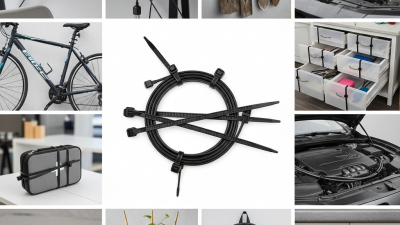
How they work: A cable tie wraps around a bundle; its toothed strap passes through a locking head, where a pawl catches the teeth to hold the tie tight. Black ties are commonly made from nylon, and some use UV-stabilizing additives for outdoor use. Color alone does not confirm UV resistance.

Reading the chart: These are representative width and minimum loop tensile rating pairings for common cable-tie sizes, not a universal specification. Actual ratings depend on the tie’s design, material, and test standard. Check the product’s technical data and select a rating appropriate for the application.

Materials, UV Resistance, and Strength Ratings Explained

Black cable ties can look identical in a parts bin, yet their materials behave differently outdoors. Nylon 6/6 is common because it combines flexibility with useful tensile strength. For sun-exposed runs, look for ties specifically rated as UV-resistant, not merely black. Black pigment may help limit ultraviolet damage, but color alone proves little. Check the product data sheet for exposure guidance and temperature limits.

Small details matter. A tie above a warm equipment cabinet may become brittle faster than one under a shaded desk. If the cable route faces direct sun, inspect ties periodically for fading, cracking, or a chalky surface. Replace any that feel stiff. Even a good rating cannot predict every climate or installation. I would not assume one outdoor tie lasts indefinitely.

Strength ratings also need context. A listed loop tensile strength usually comes from controlled testing; it is not automatically a safe working-load limit. Bundle size, sharp edges, installation tension, and temperature all affect performance. Choose a rating with a sensible margin, and use the correct tensioning method. Too tight can crush insulation. Too loose can let a bundle rub and shift. There is no perfect number, and that is worth remembering.

How to Compare Black Cable Ties for Different Applications

What Are the Best Black Cable Ties for 2026?

How to Compare Black Cable Ties for Different Applications

Compare black cable ties by the conditions they must handle, not by color alone. For a light indoor cable bundle, a narrow tie may be sufficient; for a heavy bundle, check the rated loop tensile strength and bundle diameter. IEC 62275:2018 sets out separate requirements for cable-tie tensile strength and temperature performance. That matters: a strong tie can still fail in heat. Check the product’s stated operating range, and leave room for expansion rather than cinching wires tightly. A crushed cable is a costly surprise.

Outdoor use needs a different check. Black nylon ties often contain carbon black, but color alone does not prove UV resistance. Look for an explicit outdoor or UV-resistant rating and confirm it matches the expected exposure. For humid settings, consider the material: nylon absorbs moisture, which can affect dimensions and mechanical performance. A stainless-steel tie may suit harsher environments, but it can be excessive for a simple indoor bundle. Details matter.

When comparing products, review material, width, length, minimum loop tensile strength, and installation temperature. Also check whether the rating reflects a tested standard or only a seller’s description. The U.S. National Electrical Manufacturers Association’s installation guidance emphasizes selecting cable supports for their environment and load; ties should not replace proper cable support. I still double-check the tie’s actual dimensions against the bundle. It is an easy detail to miss.

Best Black Cable Tie Types for Indoor and Outdoor Use in 2026

For indoor wiring, standard black nylon cable ties suit dry, temperature-controlled spaces. They bundle desk cables, secure low-voltage runs, and keep cords clear of cabinet hinges. Choose a length that closes without excessive overlap, and leave room for later adjustments. A tie should hold the bundle, not crush its insulation.

Outdoor use calls for more care. Look for ties specifically rated for ultraviolet exposure; black color alone does not confirm UV resistance. Sun, rain, and temperature swings can make ordinary nylon brittle over time. Check the product’s temperature range and working-load guidance, especially for exposed fence runs or garden lighting. Small details matter.

For changing layouts, releasable ties can be opened and reused, though their locking parts may collect dirt outdoors. Mounting-hole ties help attach bundles to panels, while stainless-steel ties may suit demanding, exposed settings when specified for the environment. Avoid overtightening, and trim tails flush to reduce snagging. A simple inspection now and then helps catch damage early. It is easy to overlook. Black ties are not all alike, and I would not choose by color alone.

How to Choose, Install, and Maintain Black Cable Ties

For 2026, choose black cable ties by material, rated temperature, bundle size, and documented tensile strength—not color alone. Outdoor sunlight can degrade ordinary nylon, so check that the product is specifically rated for UV exposure. IEC 62275:2018 sets performance and test requirements for cable ties, including tensile strength and resistance to environmental conditions. Treat those ratings as selection criteria, not a guarantee that every tie suits every installation. NFPA’s Electrical Fires report estimates that U.S. fire departments responded to an average of 24,200 home fires involving electrical distribution or lighting equipment each year from 2015 to 2019. That figure does not link fires to cable ties, but it underscores why tidy wiring must never replace sound electrical practice.

For installation, group cables loosely and leave room for airflow and future servicing. Pull each tie until the bundle is secure, not compressed; flattened insulation is a warning sign. Cut the tail flush with a proper tie tool or smooth-edged cutters to avoid sharp snags. I’ve seen neat bundles become difficult to inspect when ties were placed too close together. A little spacing helps.

Tips: Check the rating first. Keep ties away from hot surfaces, inspect them for brittleness or looseness, and replace damaged ties. Don’t reuse one.

What Are the Best Black Cable Ties for 2026? — How to Choose, Install, and Maintain Black Cable Ties
Tie Type Best Suited For What to Check When Choosing Installation Guidance Maintenance and Limitations
UV-stabilized black nylon 6/6 Outdoor cable bundling where sunlight exposure is expected. Confirm the product is specifically identified as UV-resistant; black color alone does not establish an outdoor rating. Check the stated temperature range, loop tensile strength, width, and length. Choose a length that leaves room for the bundle without excessive tail. Tighten until secure, not so tightly that the tie deforms or compresses the cable jacket. Inspect for brittleness, cracking, or looseness after weather exposure. Replace damaged ties; UV resistance and service life vary by formulation and conditions.
General-purpose black nylon 6/6 Indoor cable management in dry, ordinary environments. Match the tie’s rated tensile strength and dimensions to the bundle. Check the manufacturer’s temperature and chemical-resistance information for the installation environment. Keep the locking head clear of sharp edges. Use a tensioning tool with a flush-cut feature, or trim the tail neatly without leaving a sharp stub. Check periodically for loose closures or damage, especially where cables move or vibrate. Do not assume a general-purpose tie is suitable for prolonged outdoor exposure.
Releasable black cable tie Temporary layouts or installations likely to need adjustment or cable additions. Check that the release tab is accessible after installation and that the tie’s rated strength and dimensions suit the bundle. Close the tie until its pawl engages. Avoid pulling the tail so tightly that the release mechanism becomes difficult to operate. Release and reuse only if the tie is designed for reuse and shows no damage. Replace ties with worn pawls, cracks, or distorted locking heads.
Mountable black cable tie Securing a bundle to a panel or other mounting surface with a screw or compatible fastener. Check the mounting-hole size, tie dimensions, load rating, and whether the surface and fastener can support the combined load. Fasten the mount securely before bundling. Route cables so the tie does not create a sharp bend or pull cables against an edge. Inspect both the tie and its mounting point for movement, wear, or loosening. A cable tie should not replace a structural support where one is required.
Identification or marker-style black cable tie Bundles that need a writable or label-bearing surface for circuit, service, or destination identification. Check the available label area, writing compatibility, tie length, and whether the marking remains legible in the installation conditions. Place the label where it can be read without twisting or sharply bending the cable bundle. Use a suitable marker or label material. During inspections, check that labels remain legible and attached. Keep identification clear of hot surfaces, moving parts, and abrasion points.
General selection and inspection checklist Any black cable-tie application, from small indoor bundles to exposed installations. Compare material, UV rating, operating temperature, tie length and width, loop tensile strength, and any required environmental or regulatory ratings. Select based on the application rather than color alone. Use ties to organize cables, not to support people, suspend heavy loads, or substitute for approved electrical or mechanical supports. Protect cable jackets from sharp edges and excessive compression. Inspect periodically and after maintenance or severe environmental exposure. Replace ties that are cracked, brittle, cut, loose, or discolored. Follow the product datasheet because ratings differ among formulations and sizes.