China Best Black Zip Ties for Bulk Purchase?
Bulk buyers comparing black zip ties from China need more than a low unit price. The right choice depends on dimensions, material, tensile rating, operating temperature, and the conditions where each tie will be used. A cable bundle in a dry warehouse has different needs from outdoor equipment exposed to sunlight, heat, or moisture. Small details matter. A sample can show whether the locking head engages cleanly, the strap bends consistently, and the cut edge feels even. These checks are practical, but they do not replace verified specifications.
When reviewing suppliers, ask for clear product data, information about batch consistency, packaging options, and written confirmation of your requirements. Compare sample results with the product sheet, then confirm dimensions and color before approving a large order. For repeat purchasing, discuss lead times, inspection procedures, carton counts, and how defects are handled. Do not assume every factory uses the same material grade or quality controls. That assumption can cost time. No checklist removes all uncertainty.
This guide explains what to check when selecting a China-based supplier, assessing product performance, and planning a bulk purchase. It also considers where price trade-offs may be reasonable and where they deserve closer review. The best choice is not always the cheapest. A careful comparison helps buyers choose black zip ties suited to real working conditions, rather than relying on a listing photo or a broad product claim.
What Black Zip Ties Are and How They Are Used
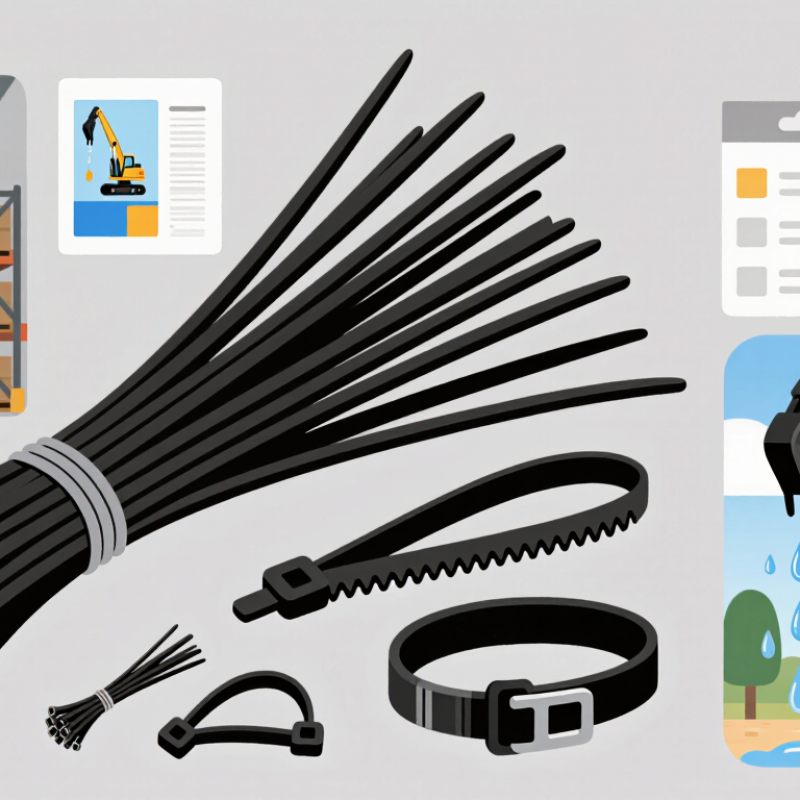
Black zip ties are molded nylon fasteners with a flexible, toothed strap and a small ratcheting head. Push the strap through the head, pull it snug, and the pawl locks against the teeth. They bundle loose cables behind a desk, secure irrigation tubing, and hold labels or lightweight components in place. Simple, but not magic. A tie that is overtightened can crush insulation or leave a sharp cut end; flush cutters help prevent snags.
Black coloring often comes from carbon-black pigment, which can improve resistance to sunlight, but color alone does not confirm outdoor suitability. Check the product specification for UV resistance, material, temperature range, and tensile strength. The International Energy Agency’s Renewables 2023 report recorded nearly 510 GW of renewable capacity additions worldwide in 2023, much of it solar. Those installations involve extensive cable runs, where suitable ties can help keep wiring organized. For indoor infrastructure, a 2024 Lawrence Berkeley National Laboratory report estimated U.S. data centers used about 176 TWh of electricity in 2023. That scale helps explain the need for orderly cable management, though ties should not replace approved supports or careful routing. It is easy to assume every black tie lasts outdoors. That assumption can be costly.
Black Zip Ties: Typical Lengths and Approximate Bundle Capacity
Compare common tie lengths to estimated maximum bundle diameters. Estimates assume about 30 mm of tie length is used by the locking head and overlap; actual capacity varies by tie design and how it is applied.
How they are used: Wrap a tie around cables or other items, thread the tail through the locking head, and pull snug. For bulk purchases, choose a length that fits the largest intended bundle and a suitable strength rating for the application. Black ties are commonly used for cable management, bundling, and outdoor installations; check the product specifications for UV resistance.
Materials, Sizes, Strengths, and Outdoor Ratings
For bulk purchases, black cable ties are usually made from nylon 6/6, but the color alone does not prove outdoor durability. Look for UV-stabilized material and a stated operating-temperature range. IEC 62275:2022 and UL 62275 provide recognized requirements for cable-tie testing, including loop tensile strength. Compare the rated strength with the actual load, not just the tie’s width. A narrow tie may suit light wire bundles; heavier bundles need a wider tie and a higher declared rating. Leave a little room for installation tension.
Tips: Measure the bundle at its widest point. Check tie length against that diameter, then review the supplier’s test data. Small detail, big difference.
For outdoor use, ask for evidence of UV-weathering performance, such as testing to ISO 4892-3, and confirm the rating applies to the exact material and size being ordered. Black pigment can help protect nylon from sunlight, but it is not a guarantee. Heat, moisture, and chemical exposure can still shorten service life. For a bulk order, request samples and inspect them after tightening: look for cracked heads, rough edges, or straps that stretch unevenly. One caveat: ratings from different test methods may not be directly comparable, so confirm the method before comparing prices.
How to Evaluate Chinese Manufacturers and Product Quality
For bulk buyers, evaluating Chinese zip tie manufacturers takes more than comparing unit prices. Ask for a current product datasheet with material, dimensions, tensile strength, and recommended temperature range. For black ties used outdoors, confirm whether the material includes UV stabilizers; black color alone does not prove weather resistance. Request samples from the same production process planned for your order. Small details matter.
Tips: Check several ties from each sample bag. Look for cleanly molded edges, consistent widths, and locking tabs that engage without slipping. Ask for recent test reports, and confirm which test methods and sample sizes were used. A report is useful, but it is not a substitute for checking the product yourself.
Before placing a large order, discuss batch controls, inspection records, packaging, and how defects are handled. Compare samples with the approved specification, then inspect a pre-shipment sample if practical. A factory visit or independent inspection can add confidence, especially when order quantities are high. Be cautious when answers stay vague or documents lack dates. Even careful checks have limits: one good sample cannot guarantee every carton will perform identically in real conditions. A small pilot order may reveal issues that paperwork misses.
Bulk Pricing, Minimum Orders, and Customization Options
For bulk orders of black zip ties, compare the full landed cost, not just the unit price. Ask suppliers to quote by quantity tiers, such as 1,000, 5,000, and 10,000 pieces. Packaging, freight, and lead time can change which tier offers real value. A low price may not help if the minimum order exceeds your storage needs. Small details matter.
Minimum order quantities often vary by tie length, width, and material. Request the MOQ for each specification, plus pricing for mixed sizes if your project needs several. Before committing, order samples and check the locking pawl, strap flexibility, and cut edges. Pull a few ties around actual cable bundles. They should hold without cracking or leaving sharp burrs. A sample cannot represent every production batch, though, so ask how the supplier checks consistency.
Customization may include bag labels, printed packaging, or a specific tie length and tensile rating. Color options can affect minimums; confirm that black ties are available at the quantity you need. Share the operating conditions too, especially outdoor exposure or heat, and request the material details in writing. There is no perfect quote. I would compare two or three written offers, then clarify anything vague before placing a large order. A slightly awkward step, but worth it.
Shipping, Compliance, and Inspection for Large Orders
For bulk orders of black zip ties, shipping plans should begin with carton dimensions, not just unit price. Ask the supplier to confirm carton counts, gross weight, and delivery terms in writing. A pallet that looks compact in a quote may need extra space once cartons are stacked. Request protective packing that keeps ties dry and prevents bent tails or crushed packaging. Small details matter.
Compliance paperwork should match the actual shipment. Request an invoice, packing list, and material or product specification sheet, with descriptions consistent across documents. Check that the stated polymer, tie length, width, and quantity match your order. Import and labeling requirements vary by destination, so verify them with a qualified broker or local authority before dispatch. Do not assume one document covers every requirement.
Inspect a pre-shipment sample, then set a simple receiving checklist for the full order. Measure several ties, test the locking heads, and compare color and packaging against the approved sample. Confirm carton quantities by sampling multiple boxes, not just the top one. A first shipment can still reveal a mismatch; that is worth documenting, even when it feels minor. Clear photos and a written claim window make follow-up easier.