A loose cable can snag a drawer, scrape a jacket, or turn a clean workbench into a tangle. That is why choosing reusable cable ties for 2026 involves more than picking a color. Buyers need to weigh release design, load rating, material, and resistance to heat or sunlight. Small details matter.
Grand View Research estimated the global cable-ties market at about USD 2.74 billion in 2023 and projected growth through 2030. That broad category includes many tie types; it does not isolate reusable cable ties. The distinction matters. Market growth alone cannot tell you which tie will hold a charging cable behind a desk or survive repeated adjustments in a workshop. For technical checks, UL 62275 sets requirements for cable ties and their mounting devices. Always compare a product’s published ratings with the conditions of use.
A note on attribution: no source material here verifies a named reusable-cable-tie expert’s quotation, so I will not invent one. That gap is worth acknowledging. In the sections ahead, we’ll compare releasable mechanisms, nylon and other materials, strength ratings, and practical use cases. We’ll also flag where product claims need closer scrutiny. The best choice may be less convenient than expected, and no tie suits every job.
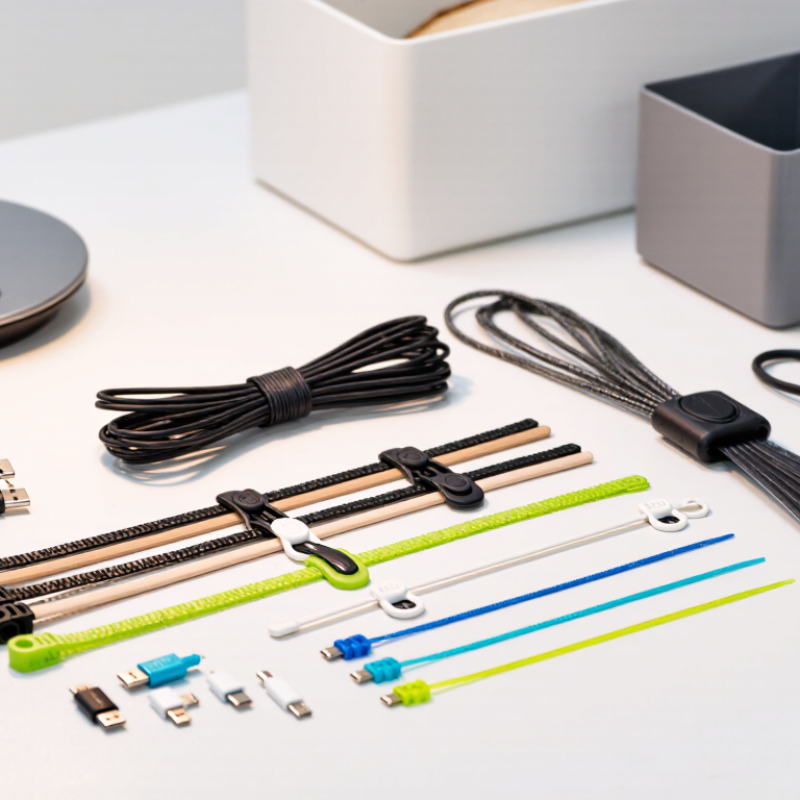
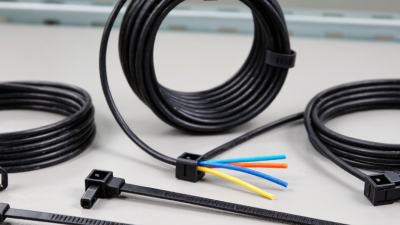
Reusable cable ties secure a bundle with a toothed strap and a small locking head. As the strap passes through, a pawl catches each tooth, holding the loop in place. The familiar clicking sound is useful feedback, but it does not confirm that the bundle is safely secured.
To release the tie, press or lift its release tab while easing the strap backward. Some designs need a fingernail; others have a larger tab that is easier to operate with gloves. Don’t yank the strap against the lock. That can bend the pawl or damage the teeth, making the next closure less dependable. Small detail. Big difference.
Reuse life varies with the tie’s material, design, and handling. There is no reliable cycle count that suits every tie. Before reusing one, check for whitening, cracks, a loose tab, or rounded teeth. Even minor wear can let a tight bundle slip. A tie that looks fine may still have a tired lock; that’s an imperfect check, but better than assuming it is new. For 2026, compare release access and strap width with the actual job, and follow the maker’s load guidance. Don’t use a worn tie where a failed hold could cause damage.
For reusable cable ties, compare rated loop tensile strength under IEC 62275 rather than relying on appearance. This rating gives a useful basis for judging how much force a tie can withstand in a defined test. Check that products use the same standard edition and comparable test conditions. Otherwise, the numbers may not tell a fair story. A rating is not a guarantee for every installation.
Width matters too. A wider strap can spread pressure across a bundle, while a narrower one may fit more easily through tight spaces. Picture a tie around a small cable bundle behind a desk: excess width can snag, but a strap that is too narrow may concentrate pressure. Match width to the bundle and the available clearance. Look for clear product data on both width and rated strength.
Think about repeated use. A release tab should be easy to reach, and the locking head should remain secure after opening and closing. Small details matter. Inspect the tie for cracks, worn teeth, or a loose latch before reuse. I would not assume that the strongest rating is always the best choice; installation space and cable protection matter, and the published rating cannot capture every real-world condition.
The best choice depends on the environment and release mechanism, not material alone. Nylon 6/6 is a practical option for indoor bundles, equipment racks, and workshop cables. It is lightweight and resists many common oils, but heat and prolonged sunlight can shorten its service life. Check the tie’s temperature rating before placing it near warm machinery. A releasable latch matters, too; ordinary one-way ties are not reusable.
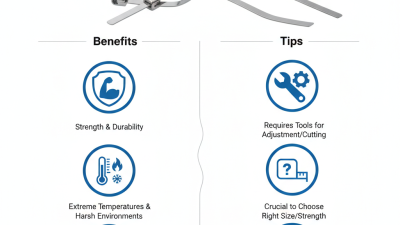
UV-stabilized polyamide suits outdoor runs exposed to daylight. The added stabilization helps slow UV-related brittleness, though it does not make a tie immune to weather or aging. Stainless steel handles demanding heat, abrasion, and heavy-duty settings better than plastic. It can be harder to adjust, and some designs may have edges that need careful handling. I would not call any material universally best. Fit and inspection still matter.
Tips: Match the tie to its exposure, bundle diameter, and expected load. Test the release on a sample before buying in quantity. For outdoor plastic ties, check them periodically for cracking or fading. Small detail, big difference. A reusable label does not guarantee unlimited reuse; replace ties that no longer lock securely.
When choosing reusable cable ties for 2026, match their temperature rating to the actual installation—not just the room’s average temperature. A cable run near a heater, engine compartment, or sunlit window may face short heat peaks. Check whether the listed range covers continuous use or brief exposure. Those are not always the same.
Cold matters, too. A tie that feels flexible indoors can become stiff outdoors in winter, making its latch harder to release or more likely to crack. Test a sample in the expected conditions before bundling an entire run. A small trial can prevent a frustrating rework. Check the product specifications, not just the material name; formulations differ.
For outdoor use, look for a stated UV-resistance rating or explicit suitability for prolonged sunlight. Ordinary ties can fade, become chalky, and lose strength after months on a fence or rooftop. Shaded outdoor areas still get reflected light, so “not in direct sun” is not a reliable rating. Indoors, UV may be less important, but heat from lighting or equipment can still affect performance. I would also leave a little room for cable movement. It is easy to overtighten. Ratings help narrow the choice, but real conditions are rarely perfectly predictable.
What Are the Best Reusable Cable Ties for 2026?
A reusable cable tie should release cleanly, hold securely, and survive repeated handling. Before choosing one, verify the stated UL 62275 compliance claim. Check the exact product type, material, and size against the manufacturer’s documentation. A certificate for one cable-tie model does not automatically cover every model from the same supplier. Details matter.
Ask for test reports, not just a data sheet. Look for the test method, sample size, test date, and results for tensile strength and temperature exposure. For reusable designs, request separate evidence that the latch still works after repeated opening and closing. If UV exposure or chemicals are relevant, confirm those conditions were tested too. A neat PDF is useful, but it is not proof by itself. I would want traceable records tied to the product being purchased.
Tips: Compare the specified load with your actual cable bundle, and leave a safety margin. Request lot identification and written confirmation that supplied units match the tested design. If key details are missing, pause and ask. That extra check can prevent a tie that slips, cracks, or becomes difficult to release in the field.
| Selection Dimension | Reusable Tie Option or Data to Compare | Evidence to Request or Check | How to Evaluate It |
|---|---|---|---|
| UL 62275 compliance | Certification status for the exact tie model and configuration | Certification record or certificate identifying the model, applicable standard, and scope | Do not infer compliance from a product description, material name, or a different model in the same product family. Confirm that the certification covers the product being considered. |
| Minimum loop tensile strength | Manufacturer-declared rating for the tie size and material being purchased | Test report or technical data sheet stating the test method, result, sample configuration, and units | Compare values only when the test method and specimen configuration are comparable. Do not treat a breaking-load figure as a working-load rating unless the manufacturer defines it that way. |
| Release and reuse mechanism | Releasable ratchet-lock polymer tie or hook-and-loop tie | Instructions for release, reuse limits, and any repeated-cycle test results | “Reusable” describes a design feature; it does not establish a universal cycle-life rating. Ask for a documented cycle count and the conditions used if repeated reuse is important. |
| Material and temperature range | Exact polymer or textile material and the manufacturer’s stated service-temperature limits | Material specification and test data supporting the declared temperature range | There is no single temperature range that applies to all reusable ties. Check the exact material, tie color or formulation where relevant, and installation environment. |
| Outdoor and UV exposure | Product specifically identified by its manufacturer as suitable for the intended outdoor exposure | UV or weathering test method, exposure conditions, and reported results | Do not assume that a dark color or a generic “outdoor” claim proves UV resistance. Confirm the specific product’s data and intended exposure conditions. |
| Flammability requirements | Product with a stated flammability classification when required by the installation | Test report or certification identifying the test method and classification | Use the classification required by the project or applicable code. Do not infer a flammability rating from UL 62275 status alone; verify the exact product documentation. |
| Bundle size and tie dimensions | Published tie length, width, and compatible bundle-diameter range | Manufacturer dimension drawing or technical data sheet | Check fit around the largest bundle while leaving the locking or release mechanism accessible. Avoid using a tie beyond its stated dimensional range. |
| Load retention after aging | Performance data after relevant heat, moisture, or other environmental conditioning | Test report stating conditioning method, duration, sample count, and retained strength or other measured outcome | Use test conditions that reasonably represent the intended installation. A result without test conditions is difficult to compare with another product. |
| Electrical installation suitability | Exact tie and application checked against project requirements | Applicable certification documentation, product instructions, and installation specifications | Confirm compatibility with the cable type, environment, mounting method, and required approvals. A cable tie should not be treated as a substitute for a support or restraint system unless approved for that use. |
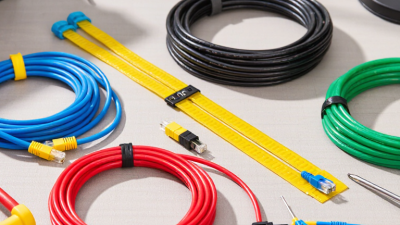
| Best choice for frequent access | Releasable ratchet-lock tie or hook-and-loop tie, selected for the application | Release instructions, dimensions, load data, and any documented reuse testing | Choose by verified load and environmental data, not by the word “reusable” alone. Confirm that repeated opening and closing will not conflict with the required retention or certification. |
| Best choice for a controlled, low-load bundle | Hook-and-loop tie where its published performance and intended use match the installation | Manufacturer’s application guidance, material details, and any relevant strength or environmental tests | Check the product’s stated load limits and environmental suitability. Do not assume every hook-and-loop product is within the scope of UL 62275 certification. |
| Selection rule for 2026 | Choose the exact product with verifiable compliance and test results that match the application | Certification record plus model-specific manufacturer test data | No single reusable tie is best for every installation. Verify the standard’s applicable scope, compare like-for-like test results, and document any application-specific requirements before purchase. |