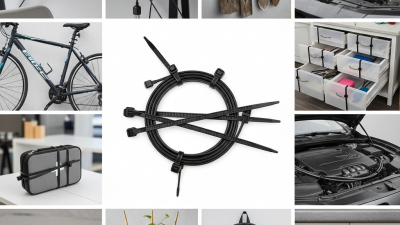
How to Buy Cable Ties Online for Global Sourcing?

Buying cable ties online for global sourcing looks simple, but small details can affect cost, safety, and delivery reliability. A product photo cannot show nylon grade, locking strength, or performance after months outdoors. Smart buyers need clearer evidence. Start by defining the application, required length, width, color, temperature range, and expected load. A black UV-resistant nylon tie may suit outdoor equipment, while an indoor packaging project may need a different specification. The wrong choice can create rework.

Supplier verification matters.

When comparing cable ties online, request technical data sheets, sample packs, inspection photos, and production details. Check tensile strength using recognized testing methods, not only promotional claims. Review material consistency, burrs, tooth engagement, and head alignment. Ask whether the supplier can maintain the same specification across repeated orders. Factory audits, independent inspections, and traceable batch records can strengthen purchasing decisions. Still, no document replaces practical testing. Test samples with your actual cables, tools, temperature conditions, and packaging process.

Price deserves careful attention. A cheaper quote may exclude tooling, export packaging, inspection fees, or unexpected freight costs. Confirm carton dimensions, minimum order quantities, lead times, payment terms, and shipping responsibilities in writing. Also verify product labeling and destination-market requirements with qualified local professionals. Requirements can differ between industries and countries.

Mistakes happen.

This guide explains how to compare suppliers, assess product quality, reduce sourcing risks, and build a more dependable purchasing process. It also questions common assumptions, because global sourcing rarely works perfectly on the first attempt.
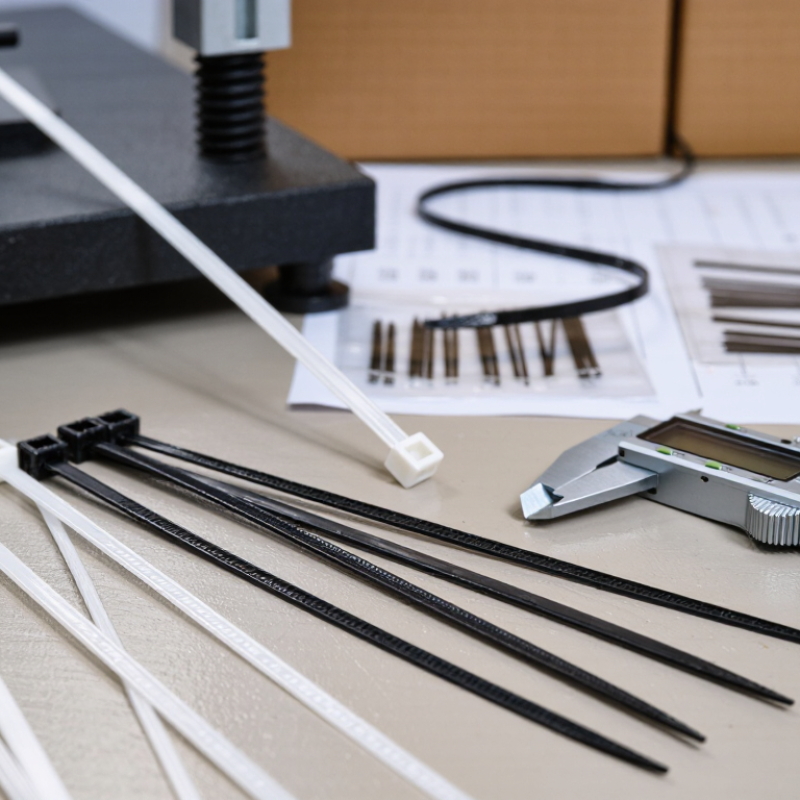
How to Buy Cable Ties Online for Global Sourcing?

Define Cable Tie Types, Materials, and Performance Requirements

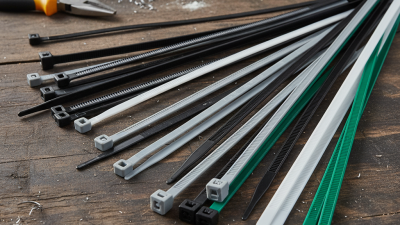
Buying cable ties online for global sourcing starts with a precise product definition. Standard nylon ties suit general indoor bundling. Releasable ties help during maintenance. Push-mount ties fit panels with prepared holes. Marker ties improve identification in crowded control cabinets. Stainless steel versions handle higher heat and harsher exposure. Choose the type around the installation, not the product photo.

Material selection affects service life. Nylon 6/6 is common because it balances strength, flexibility, and cost. For outdoor use, request UV-stabilized material with supporting test data. Moisture, chemicals, temperature cycles, and sunlight can change performance. Check the operating range, flammability rating, color stability, and available sizes. A 200 mm tie may fit one bundle, but a 300 mm tie gives safer wrapping space. Small details matter.

Performance requirements should be measurable before contacting suppliers. Ask for minimum loop tensile strength, locking reliability, head dimensions, and tolerance limits. Request samples from the same production material. Test them around the actual cable bundle, including sharp edges and repeated handling. I once accepted an attractive low-cost sample too quickly. Its lock slipped after temperature cycling. That mistake changed my sourcing process. I now compare samples, inspection records, packaging details, and batch traceability before placing larger orders. Supplier answers should be specific, not merely reassuring.

Set Sourcing Criteria for Size, Strength, Standards, and Quantity

How to Buy Cable Ties Online for Global Sourcing?

When buying cable ties online, define clear sourcing criteria before comparing prices. Start with size: measure the bundle diameter, tie length, head width, and locking space. A tie that barely closes can fail during installation. Leave practical clearance.

Strength needs more than a supplier’s general claim. Ask for tensile strength data and test conditions. Match the rating with cable weight, vibration, pulling force, and installation tools. Outdoor applications may require resistance to ultraviolet exposure, moisture, heat, or cold. Material choice matters too. Nylon grades can behave differently across climates. I once selected a tie based only on length. That estimate was too optimistic.

Standards should fit the destination market and the application. Request current material declarations, test reports, and relevant quality records. Check whether documents identify the exact product, not merely a factory range. Requirements can differ for industrial, electrical, and construction uses. Verify them with your technical or compliance team.

Quantity planning also affects the real buying cost. Calculate monthly use, project demand, sample quantities, and replacement rates. Include packaging units and carton dimensions before placing a large order. Ask about minimum order quantities, lead times, production capacity, and inspection options. A low unit price may become expensive with excess stock or delayed delivery. Order samples first. Test closure force, break resistance, flexibility, and fit on the actual cable bundles. Photos rarely reveal these details.

Find and Compare Reliable Online Cable Tie Suppliers

When buying cable ties online for global sourcing, supplier reliability matters more than a polished product page. I compare material, tensile strength, temperature range, dimensions, and packaging details. Clear specifications show whether the supplier understands its own products. Missing data creates avoidable risk.

I check supplier history, factory information, quality certificates, and customer feedback from several sources. My first shortlist was too optimistic because attractive prices hid inconsistent measurements. That mistake taught me to request samples before placing a large order. Ask about production capacity, inspection procedures, lead times, and replacement policies. Reliable suppliers answer directly and provide usable documents.

Product photos can be misleading. Photos are not proof. Before ordering, I compare sample thickness, locking strength, edge smoothness, and color consistency. A supplier should also explain how it controls moisture, dust, and carton damage during shipping. I request a written quotation with unit pricing, packaging quantities, payment terms, and delivery estimates. A small trial order can reveal delays that sales promises overlook. Do not rely on one review or one conversation. Compare at least three suppliers using the same checklist. This makes online sourcing more measurable, although no checklist catches every problem.

Verify Samples, Pricing, Certifications, and Production Capacity

Buying cable ties online for global sourcing requires evidence, not attractive product photos.

Request samples from the same production line planned for your order. Check nylon type, length, width, head shape, locking force, and flash around the mold. Test several pieces after heat, moisture, and ultraviolet exposure. A sample can pass casually and fail under stress.

Pricing needs a complete cost sheet.

Ask for resin grade, packaging quantity, minimum order, tooling fees, payment terms, Incoterms, and freight assumptions. PlasticsEurope’s Plastics—The Fast Facts 2023 reports 400.3 million tonnes of global plastics production in 2022, but resin availability does not guarantee stable pricing. Request a written validity period and a formula for material adjustments.

I once trusted a low quotation without checking carton volume. Freight later changed the real cost. That mistake remains useful.

Certifications require careful verification.

Ask for the certificate number, issuing body, covered factory, product scope, test standard, and expiration date. For cable ties, relevant evidence may include IEC 62275 or UL 62275 testing, plus material compliance documents where required. ISO’s latest Survey reports more than one million ISO 9001 certificates worldwide, yet certification alone does not prove every production line performs consistently.

Visit remotely or request dated production records, machine lists, monthly output, staffing, and recent inspection data. Compare capacity with your forecast, not only the supplier’s maximum claim. Some evidence will still be incomplete. Note the gaps before placing a deposit.

Complete Ordering, Shipping, Inspection, and Supplier Follow-Up

When buying cable ties online for global sourcing, define the order like an inspection sheet, not a chat message. State material, color, length, width, tensile strength, operating temperature, and packing quantity. Request production samples and a signed specification before paying. Include the delivery term, destination port, carton dimensions, net weight, and export documents in the quotation.

UNCTAD’s Review of Maritime Transport 2023 reports that over 80% of global merchandise trade by volume moves by sea. Small packing errors can therefore create expensive delays.

Ask the supplier to confirm lead time twice: after the purchase order and before production starts. Use pre-shipment inspection with a written checklist. Check dimensions, locking performance, surface defects, label accuracy, and random carton counts. ISO 2859-1 provides a recognized sampling framework, but the buyer must set acceptable quality limits. Keep sealed samples and dated photos. They matter during disputes.

The World Bank’s 2023 Logistics Performance Index shows major differences in customs, tracking, and delivery reliability between markets. Follow up with the forwarder using the booking number, container status, and estimated arrival date. I once treated a supplier’s “ready” message as proof of completion; it was not. Leave room for rechecking, because online confidence is not physical evidence.